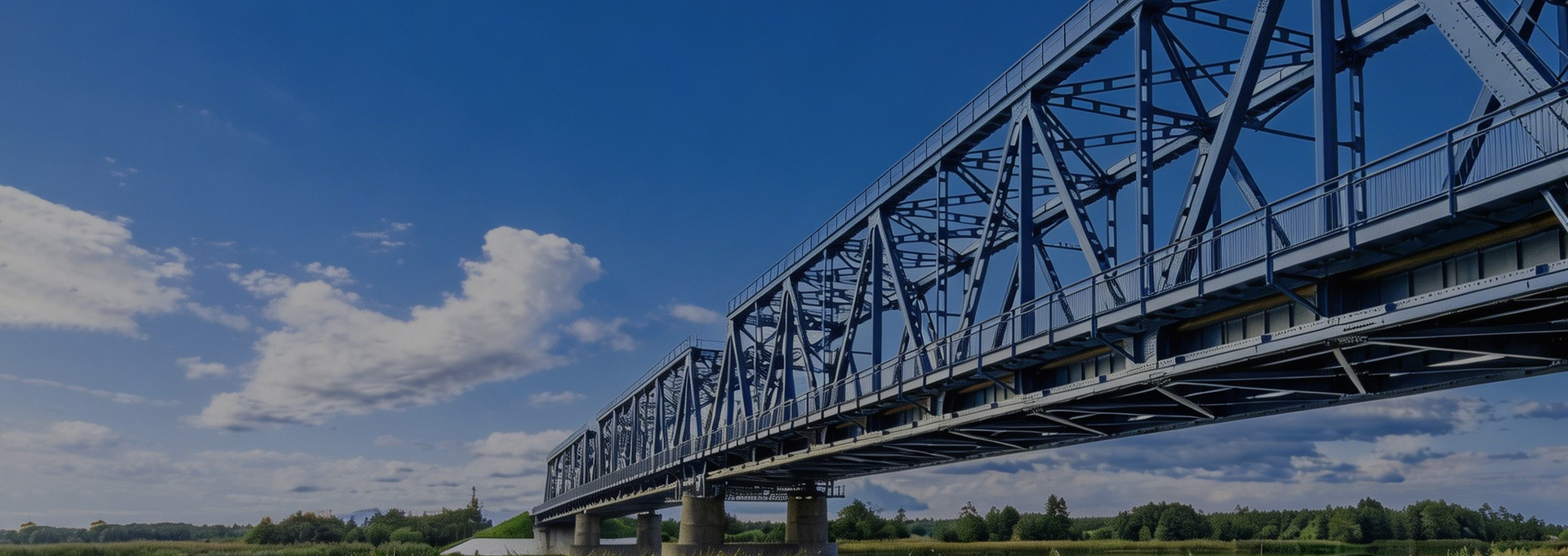
A portable bailey bridge is often the fastest way to give a village, farm or work site a dependable crossing again. The structure arrives as prefabricated steel panels, crossbeams and bracing, so it travels on ordinary trucks and goes together with a small crew and light equipment, long before a permanent concrete bridge can be surveyed, funded and built. For rural roads, where daily traffic is light but access matters every day, that mix of speed, strength and reusability is hard to beat.
Zhenjiang Jinhao Road & Bridge Supporting Engineering Co., Ltd. has worked in this field since 2017 from Dantu District in Zhenjiang, Jiangsu, close to the Grand Canal and the Yangli Expressway. The company began in building and metal materials and later moved into the design, manufacture, launching and rental of bailey bridges, formwork travellers and steel formwork. That background shapes how we plan rural crossings: standard truss units, practical engineering advice, and a delivery sequence that fits the site rather than the other way around.
Why a Portable Bailey Bridge Fits Rural Access
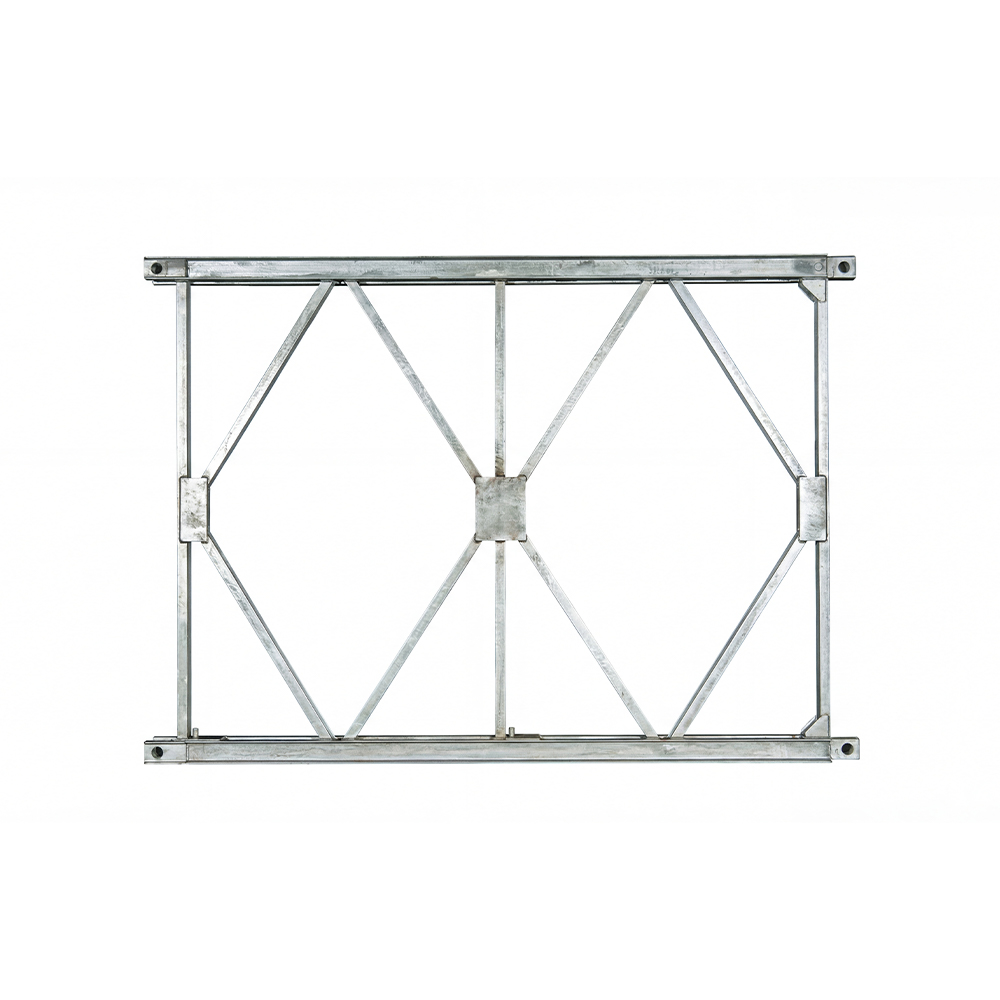
A bailey bridge is, at heart, a panel bridge. Welded steel truss panels are pinned together side by side and end to end, crossbeams carry the deck units, bracing holds the two truss lines parallel, and the finished span rests on simple abutments or intermediate piers. Every part is small enough for a few people or a small crane to handle, which is exactly what a rural site with a narrow approach road needs.
- Component sizes suit ordinary transport, so panels, beams and bracing can be offloaded by tractor, forklift or a modest crane.
- Assembly is bolted and pinned, with no site welding, which removes weather and power supply from the schedule risk list.
- Capacity can be tuned by adding truss lines, adding storeys or shortening the span, so the same parts serve a footpath or a loaded tipper.
- Components are recoverable: when the permanent bridge opens, the structure is dismantled and returned to stock for the next village.
- Longer crossings can be handled with intermediate piers instead of very long single spans, keeping panel quantities sensible.
- Abutments are often plain concrete, gabion baskets or timber sills that local crews can prepare themselves.
That modular logic is why modular steel bridges in modern infrastructure development keep appearing wherever a permanent structure is still years away.
Matching the Bridge to the Site
A bailey bridge is forgiving, but it is not magic. Before anyone writes a panel list, we ask for a short set of site facts, because they decide the truss type, the number of truss lines, the deck width and the launching method.
- Clear span and total crossing length, including both bank profiles.
- Normal water level and the highest recorded flood level.
- The design vehicle: a car, a tractor and trailer, a loaded truck or a fire appliance.
- Ground conditions at every abutment and pier position.
- Approach road width, gradient and turning space for delivery vehicles.
- Expected service life: a few months of detour traffic, five years of village use, or longer.
Give us those six answers and we can normally propose a workable configuration the same week, with the panel count and the transport list attached.
Choosing Between Type 321 and Type 200 Truss Systems
Two truss families cover most rural access work: the classic Type 321 panel and the deeper Type 200, usually described as HD200. Both are built from standard interchangeable units and both can form single-span or multi-span bridges. The real difference is how much steel carries the load and how far it can reach.
Type 321 Truss Panels and Accessories
Type 321 is the familiar panel family that most engineers picture when they hear the word bailey. Panels, crossbeams, reinforced trusses and support frames are all produced as separate items, which keeps repairs and extensions simple years later. For village access, farm crossings and short construction detours, this is usually the most economical choice, especially where traffic is limited to cars, light vans and agricultural machinery.
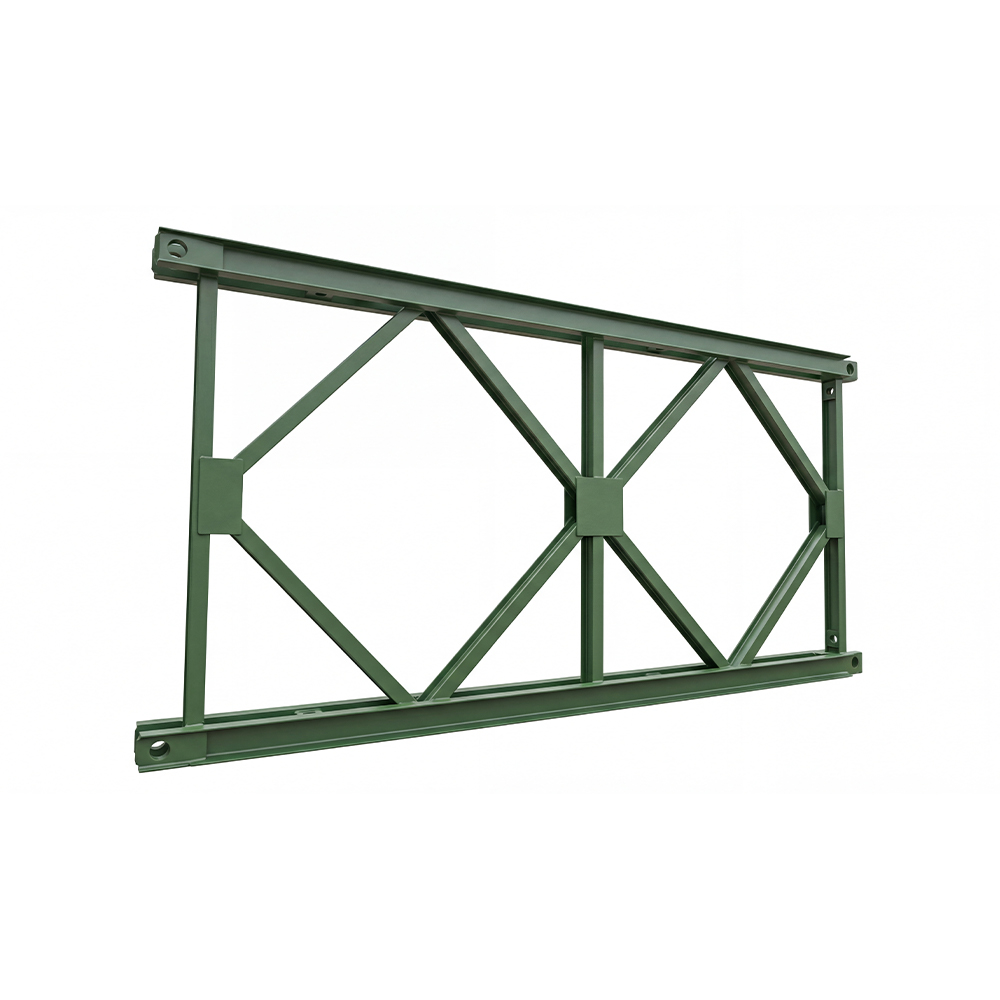
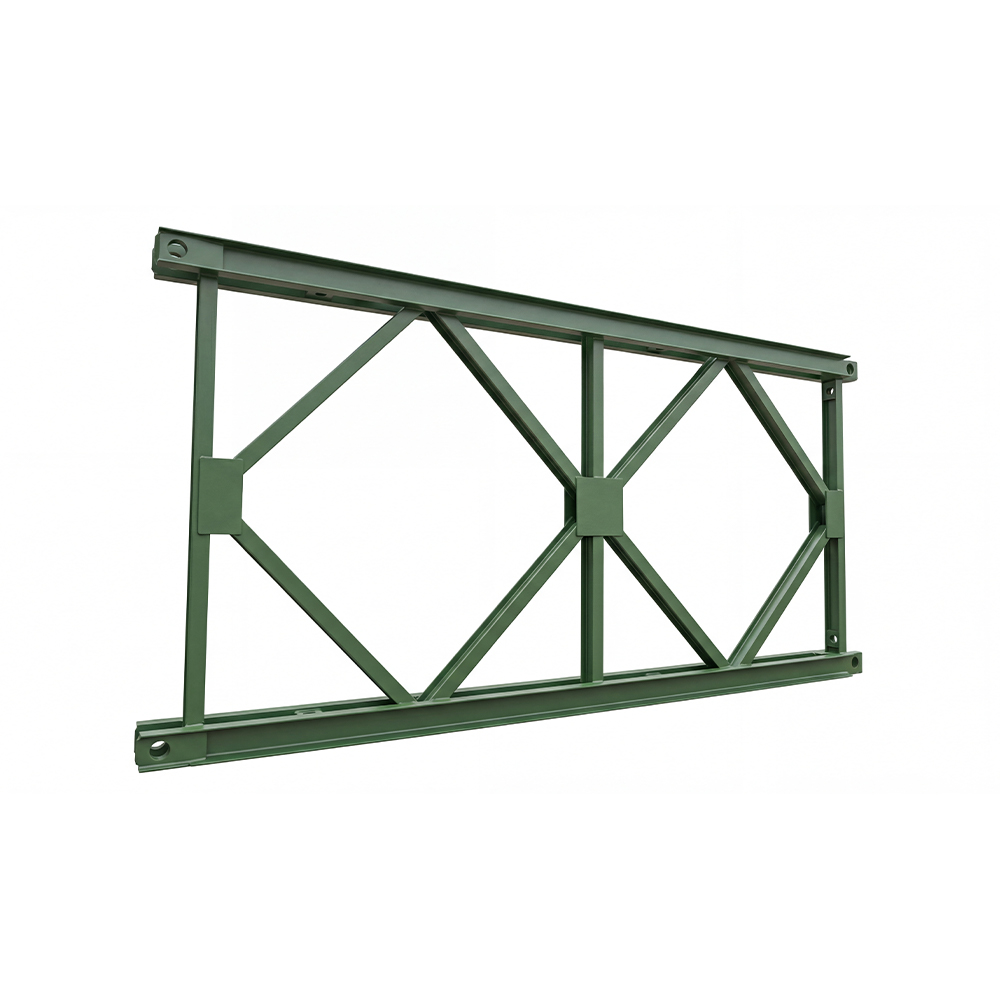 Type 321 - Bailey Bridge PanelThe chord members of the Bailey bridge panels are made of double-section 10# channel steel, and the vertical and diagonal members are made of 8# I-beams. The entire st...View Product →
Type 200 (HD200) Truss Sections
When the crossing is wider, the design vehicle is heavier, or the site simply cannot accept intermediate piers, HD200 comes into its own. The deeper truss section carries more load per panel line, so fewer lines are needed for the same duty and the bridge can span further between supports. Panels, crossbeams, horizontal and vertical support frames and reinforced trusses are all supplied individually, so a bridge can be extended or strengthened later without starting again.
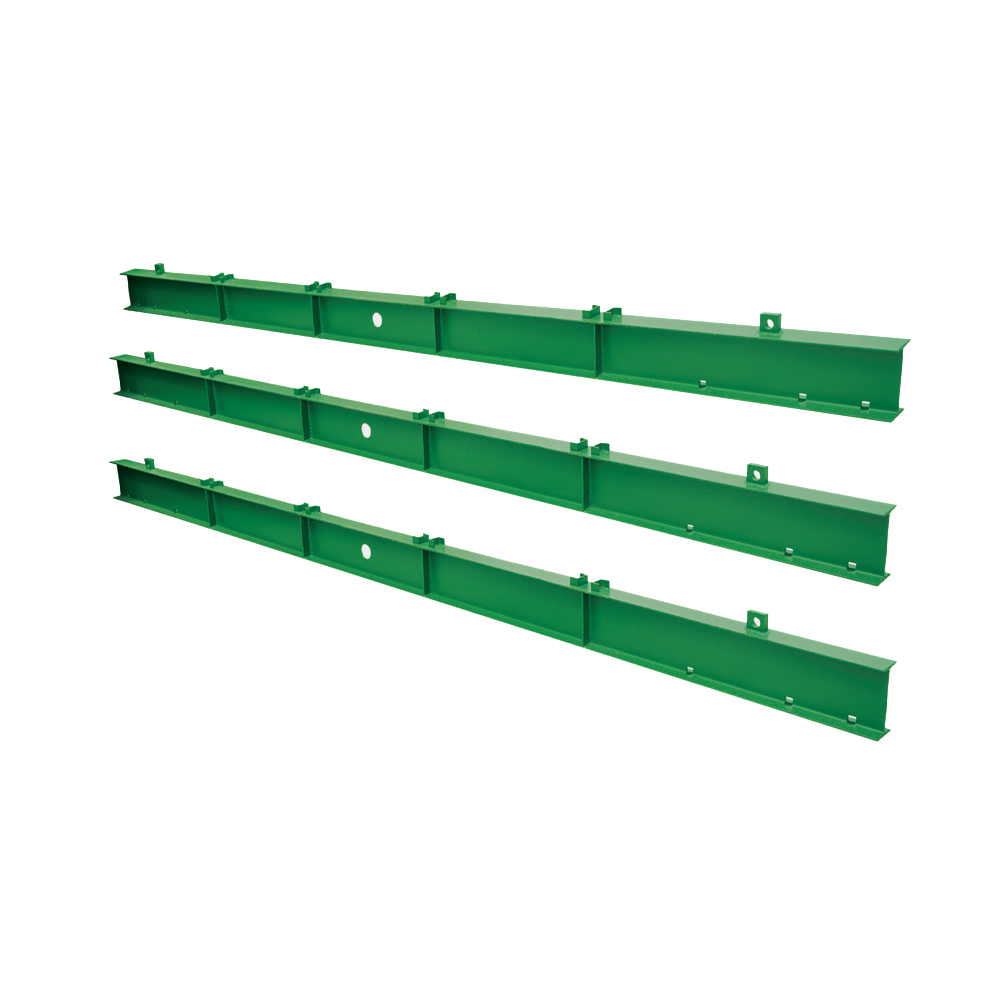
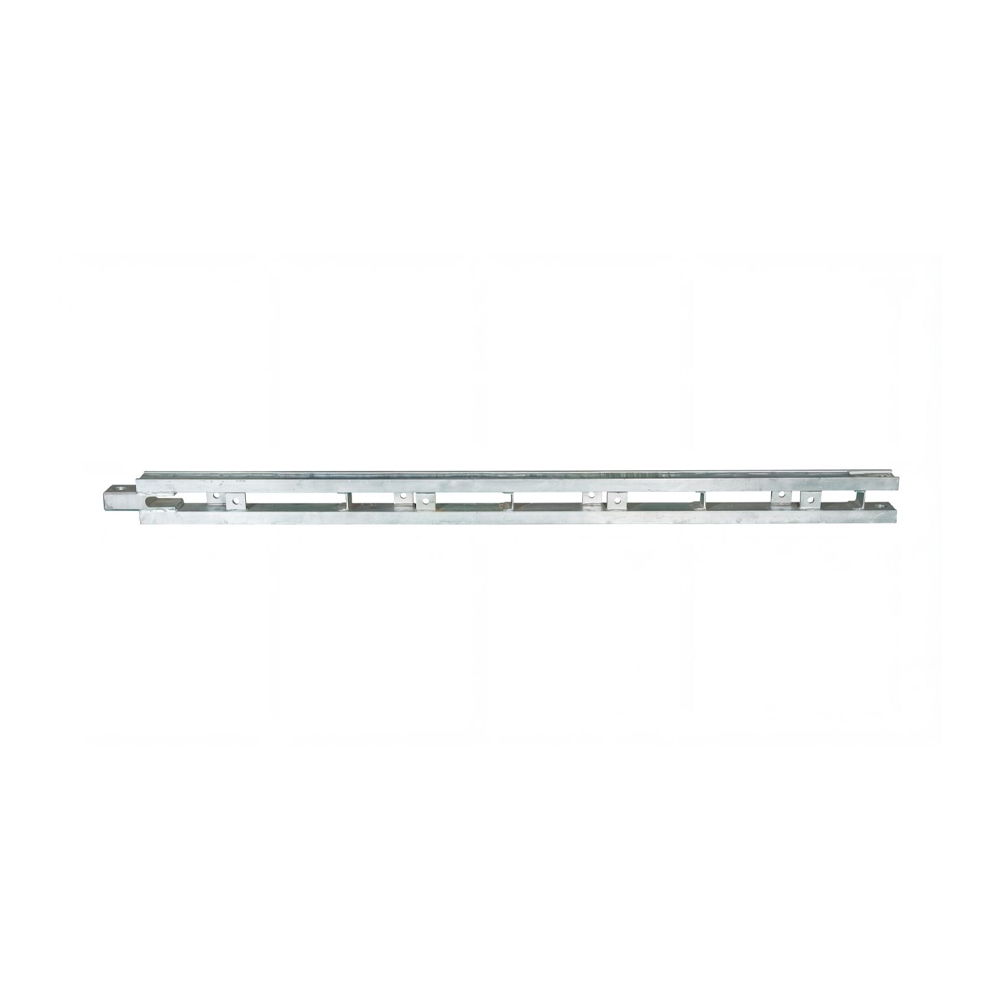 Type 200-reinforced chordThe Type 200-reinforced chord is a core reinforcing component specifically designed for the HD200 type prefabricated highway steel bridge and heavy-duty truss system. ...View Product →
Bracing, Support Frames and Reinforced Members
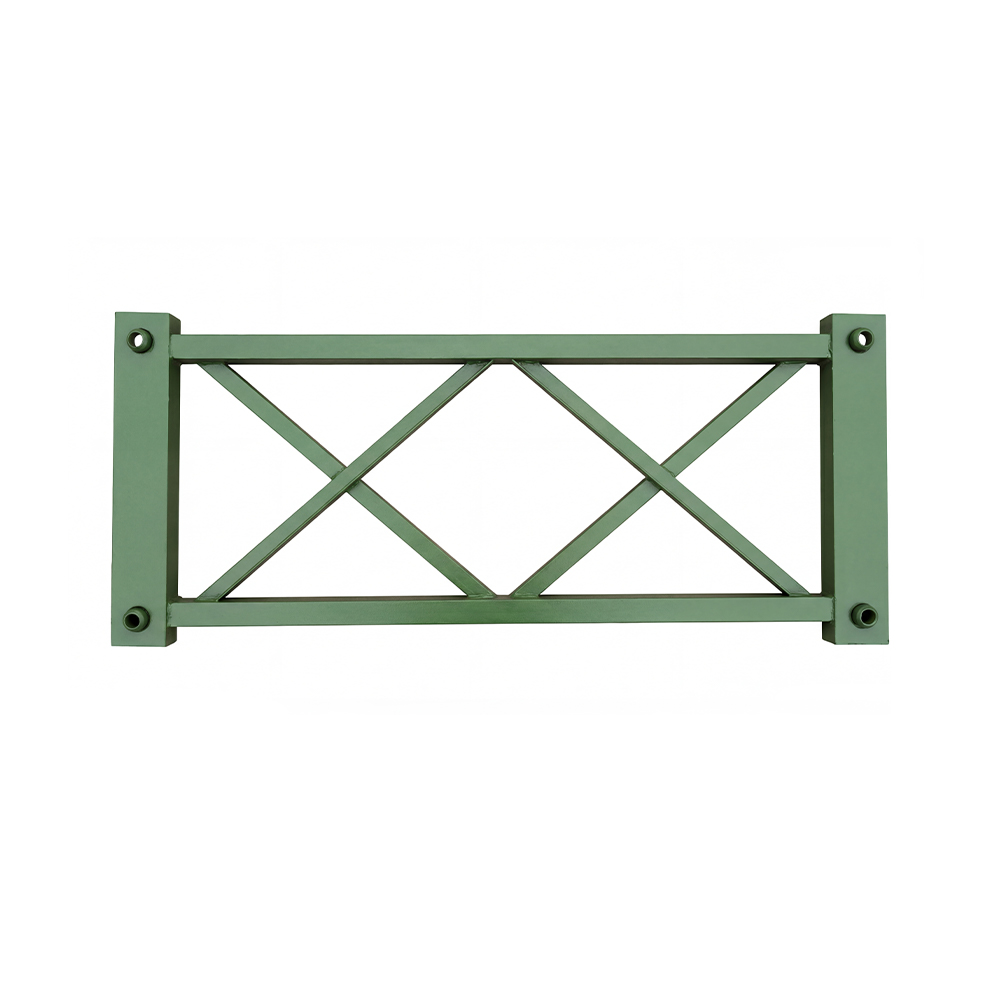
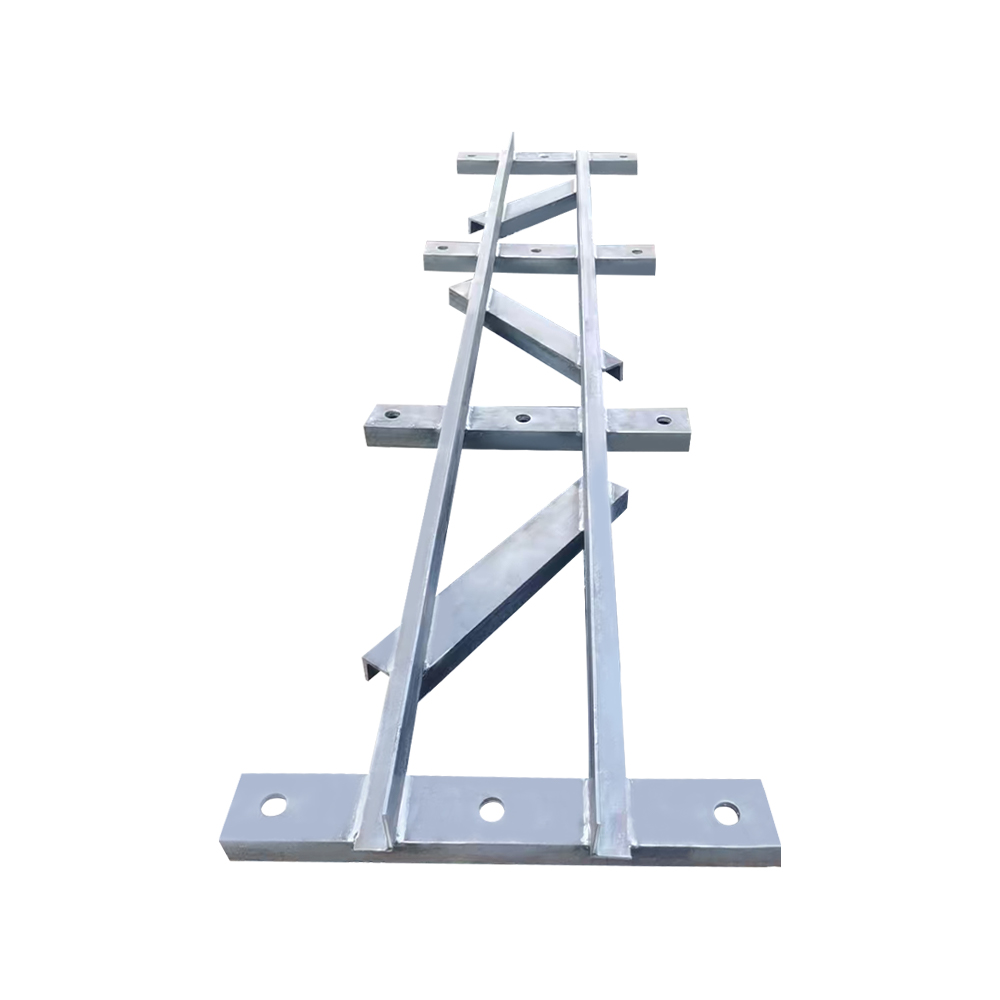
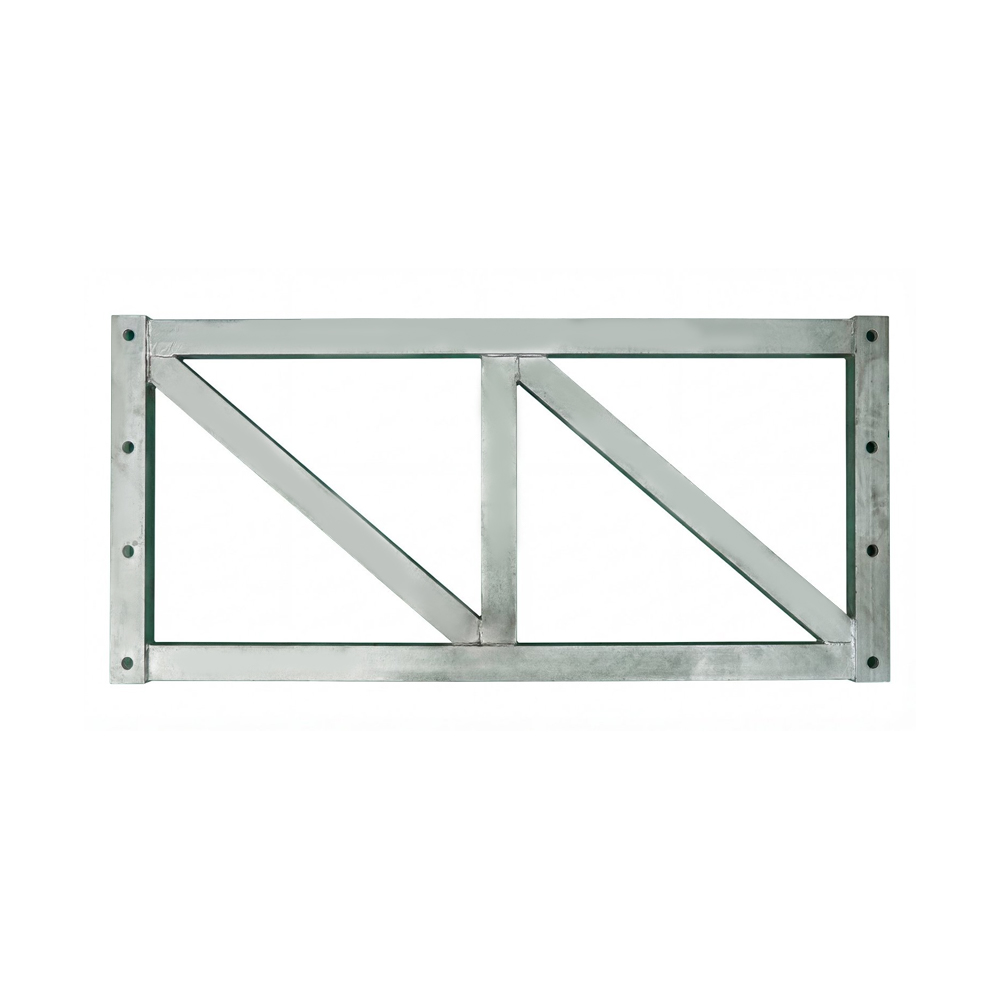
Bracing rarely gets attention until it is missing. Support frames keep the truss lines at the correct spacing, resist lateral movement and make the deck behave as one structure rather than two separate beams. Reinforced truss members are used where bending moments peak, normally near mid-span. Standard parts such as the Type 321 450 support frame and the HD200 horizontal and vertical support frames mean replacements and extensions stay compatible with what is already on the ground.
Table 1. A simple comparison of the two bailey truss families used for rural access crossings.
| Point of comparison |
Type 321 truss |
Type 200 (HD200) truss |
| Truss section |
Standard depth panel |
Deeper, heavier panel |
| Typical rural duty |
Village roads, farm crossings, short detours |
Wider crossings, heavier vehicles, longer clear spans |
| Truss lines needed |
Few lines for light traffic |
Fewer lines than 321 for the same load |
| Spanning strategy |
Single span or short multi-span |
Longer clear spans, fewer piers |
| Deck options |
Timber or steel deck panels with kerbs |
Steel deck panels on heavier crossbeams |
| Reuse after the job |
Easily dismantled and returned to stock |
Easily dismantled and returned to stock |
Deck, Camber and the Details That Decide Comfort
Drivers judge a bridge in the first ten metres. A level deck, a clean transition from the approach road, kerbs that keep wheels on the running surface and a surface that drains properly will do more for acceptance of a temporary bridge than any amount of extra steel.
Camber deserves early thought. Every bailey span deflects under load, and on a long crossing that sag is visible. Pre-cambered bailey trusses are manufactured with a built-in upward curve so the bridge sits flat, or slightly above flat, once traffic is on it. They suit long rural decks that must drain freely, crossings that will stay in place for several seasons, and approaches where tractors and trailers need a predictable grade.
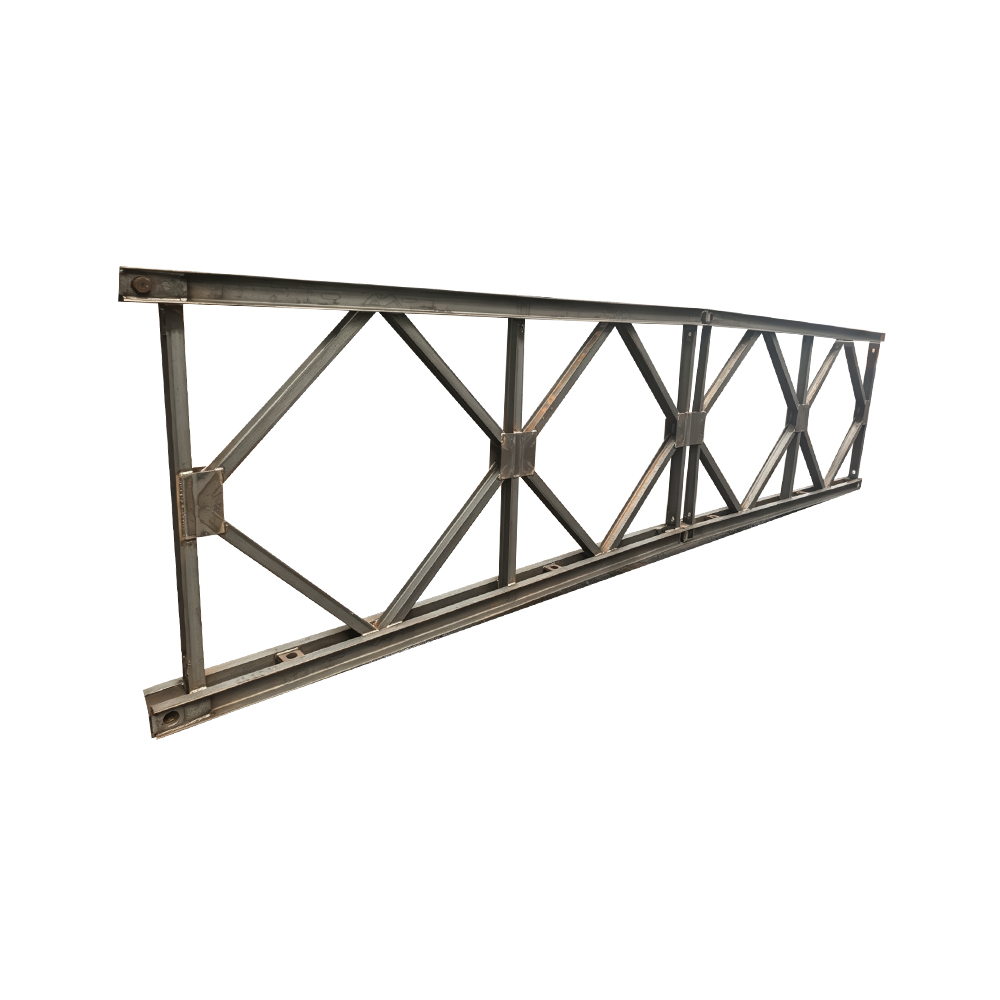 Pre-Cambered Bailey Truss ManufacturersType 321 Pre-Cambered SeriesView Product →
Ramps, wing walls and a firm running surface on both banks complete the job. They are cheap to build and they decide whether the bridge feels temporary or permanent to the people who use it.
Assembling and Launching the Bridge
Most rural crossings are launched rather than crane-lifted, because the bank is tight and the crane cannot reach. The sequence below is the one our site teams follow on typical village projects.
- Prepare and level the abutments, then set the bearings or sill beams to line and level.
- Assemble truss panels on the bank into a launchable length, pinning each panel as it goes.
- Fit crossbeams, bracing and support frames so the two truss lines stay parallel and square.
- Attach a launching nose and push or winch the span across, using rollers on the far abutment.
- Jack the bridge to its final level, check the bearings and release the temporary supports.
- Place deck units, kerbs and approach ramps, then tighten and torque all connections.
- Carry out a load test with the agreed design vehicle and record the deflection for the file.
A short single-span crossing is often finished in a few days; a multi-span job depends mainly on how quickly the intermediate piers are ready.
Design, Manufacture, Launching and Rental
Not every rural project wants to buy. Where a crossing is needed for one construction season, or where the permanent bridge is already programmed, rental keeps capital off the books and returns the panels to stock when the job ends. Where the bridge is likely to stay for a decade, purchase with a spare panel set is usually the better economics.
Our own work covers design and system planning, in-house manufacturing, quality management, technical support and launching on site. If you would like to compare options before committing, start with the bailey bridge range and tell us the span, the vehicle and the ground you are working with.
Common Questions from Rural Road Projects
How long does installation take?
A single span of roughly twenty metres with prepared abutments is normally assembled and launched within a few days by a small crew.
Can the bridge be moved to another site later?
Yes. The components are standardised and interchangeable, so a dismantled bridge can be reconfigured as a shorter or longer crossing elsewhere.
What maintenance does it need?
Little beyond regular inspection, retightening of pins and bolts, and repainting of damaged coatings. A yearly walkover after the flood season is sensible.
Rural access rarely fails for want of ambition; it fails because the permanent structure is expensive and slow to deliver. A portable bailey bridge closes that gap with standard parts, ordinary transport and a crew that can work from the bank. Send us the span, the design vehicle and a few photographs of the site, and we will come back with a configuration, a panel list and a realistic installation plan.


 Français
 Español
 عربى