Français
 Español
 عربى
عربى


A modular emergency bridge is a temporary bridging system engineered for rapid deployment in disaster response, military operations, and infrastructure recovery. Its defining strength is the standardization of prefabricated units, allowing a complete crossing to be established within hours rather than weeks -- a capability with decisive strategic value in modern crisis management and humanitarian engineering.
Definition and Historical Background
A modular emergency bridge is a temporary or semi-permanent structure assembled from standardized prefabricated units. Unlike conventional fixed bridges built in place over months, these systems are governed by three engineering principles: rapid deployment, repeated reuse, and flexible configuration. Individual modules connect through pin joints, bayonet locks, or flanged connections, requiring no welding or heavy lifting machinery -- a small trained crew is sufficient.
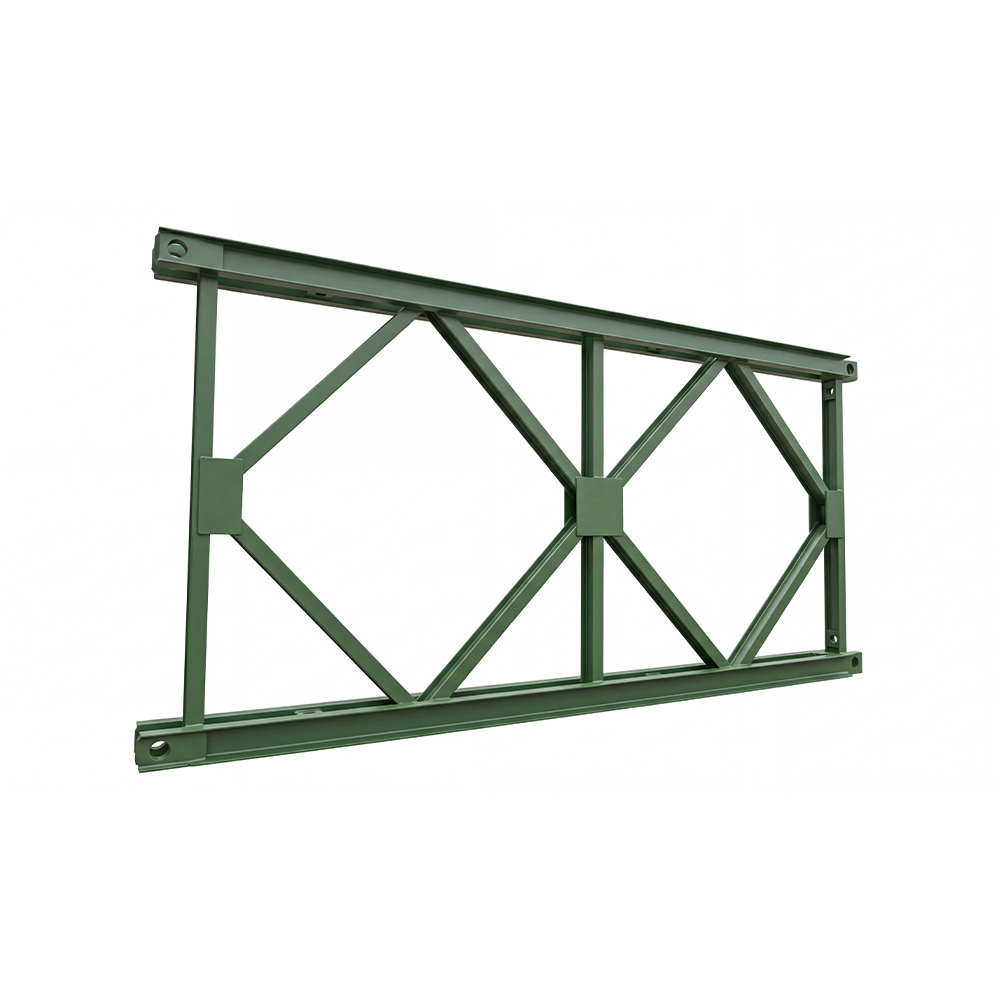
The foundations of modern modular bridge technology were laid during the Second World War. British engineer Donald Bailey developed the Bailey Bridge in the early 1940s, now widely regarded as the direct ancestor of today's emergency bridging systems. Built from interlocking steel truss panels requiring no special tools, it could be erected by combat engineers in a matter of hours across rivers and ravines, giving Allied forces an invaluable logistical edge across the European theater.
Entering the twenty-first century, advances in high-strength aluminum alloys, fiber-reinforced polymer composites, and digital design tools have continuously pushed the performance envelope. Contemporary systems range from lightweight pedestrian bridges to heavy-duty military platforms rated to carry main battle tanks, with applications spanning humanitarian aid, defense engineering, and permanent infrastructure in remote regions.
Structural Types and Key Components
Modular emergency bridges fall into several structural families, each optimized across dimensions of span capacity, load rating, erection speed, and transport efficiency.
| Structural Type | Representative Systems | Typical Span | Primary Applications |
|---|---|---|---|
| Truss Panel Bridge | Bailey Bridge, Acrow 700XS | 15m - 60m | Military engineering, road repair |
| Panel Beam Bridge | Mabey Compact 200 | 9m - 45m | Humanitarian relief, rural roads |
| Float Bridge / Pontoon | M3 Amphibious Rig | Unlimited by span | River crossing, flood response |
| Aluminum Modular Bridge | Eurobridge, Unibridge | 6m - 30m | Pedestrian evacuation, light vehicles |
| FRP Composite Bridge | FRP Modular Bridge Systems | 5m - 20m | Corrosive environments, remote sites |
Key Structural Components
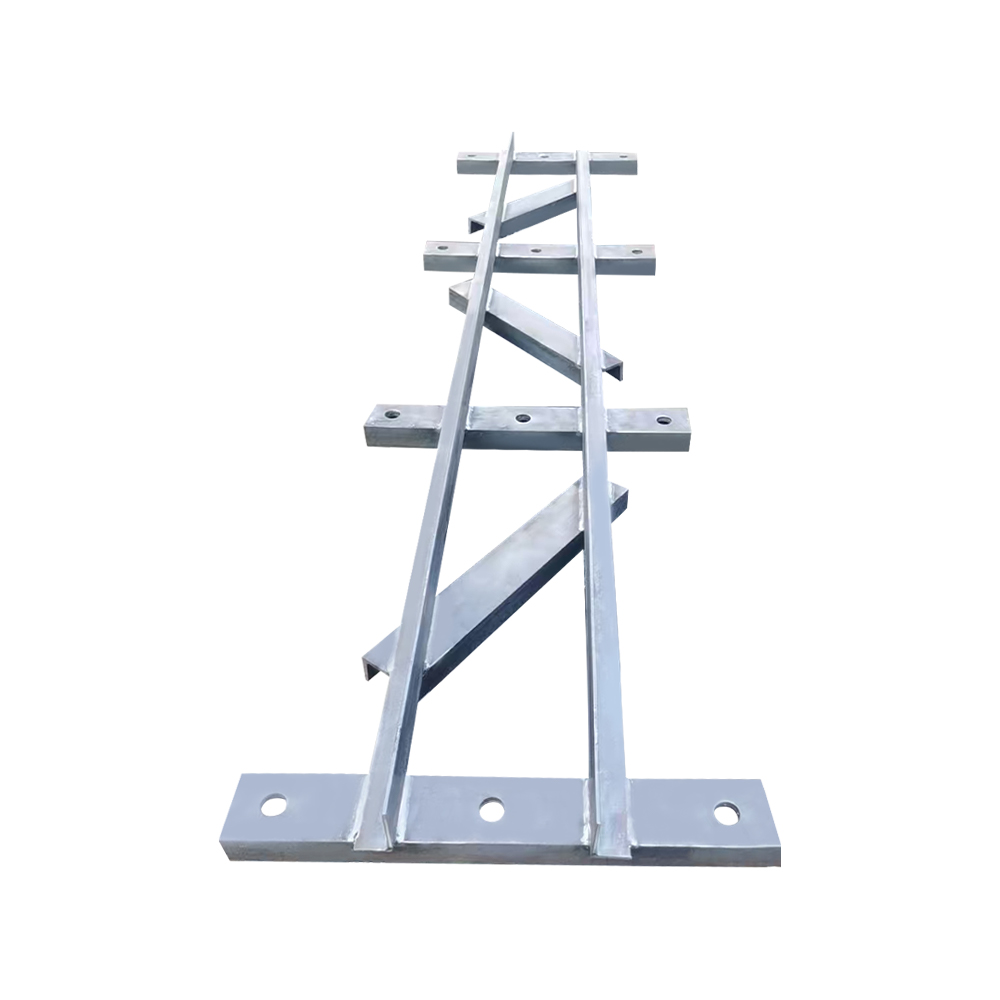
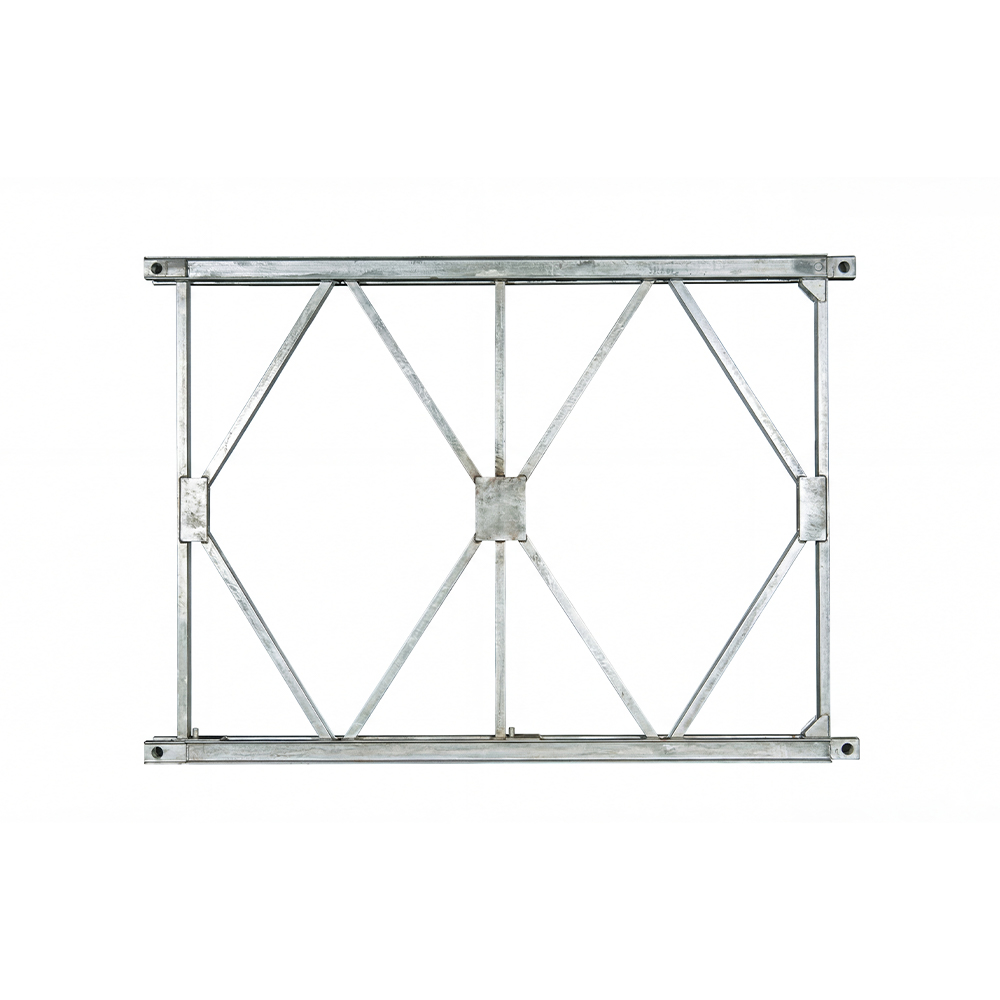
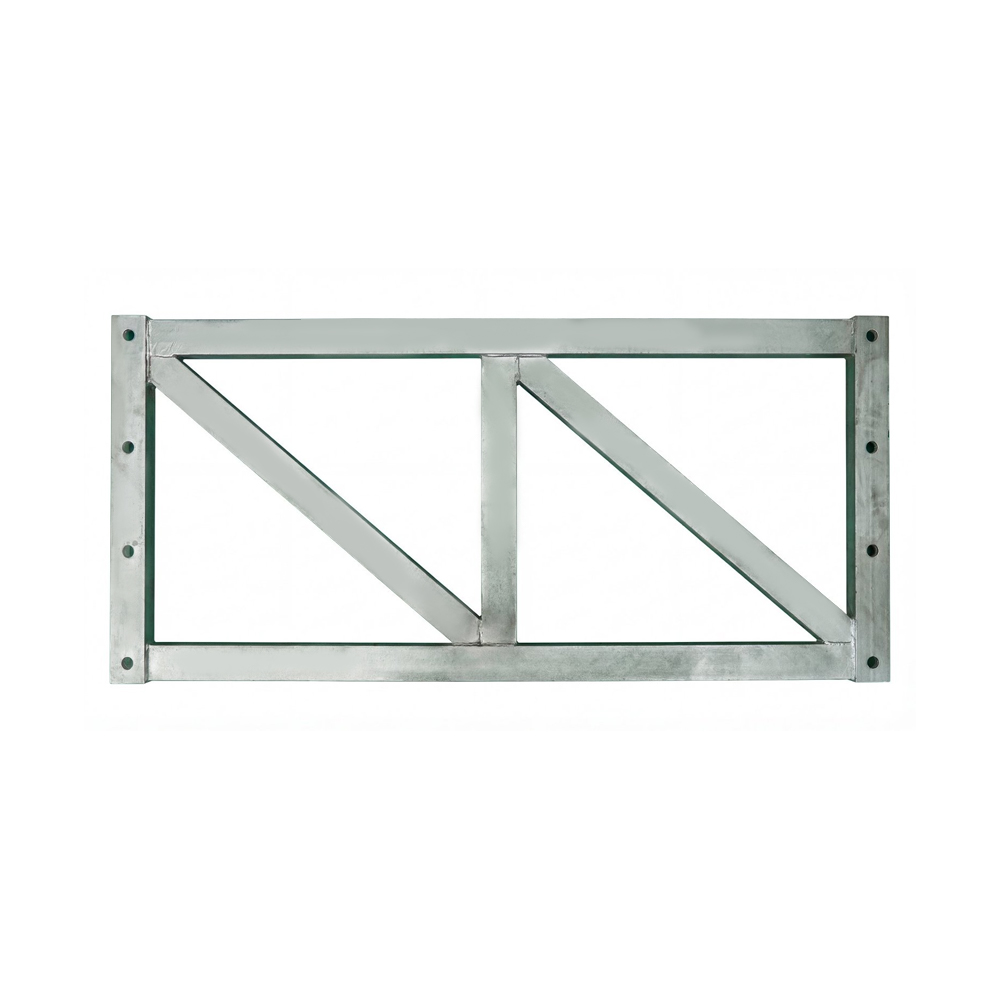
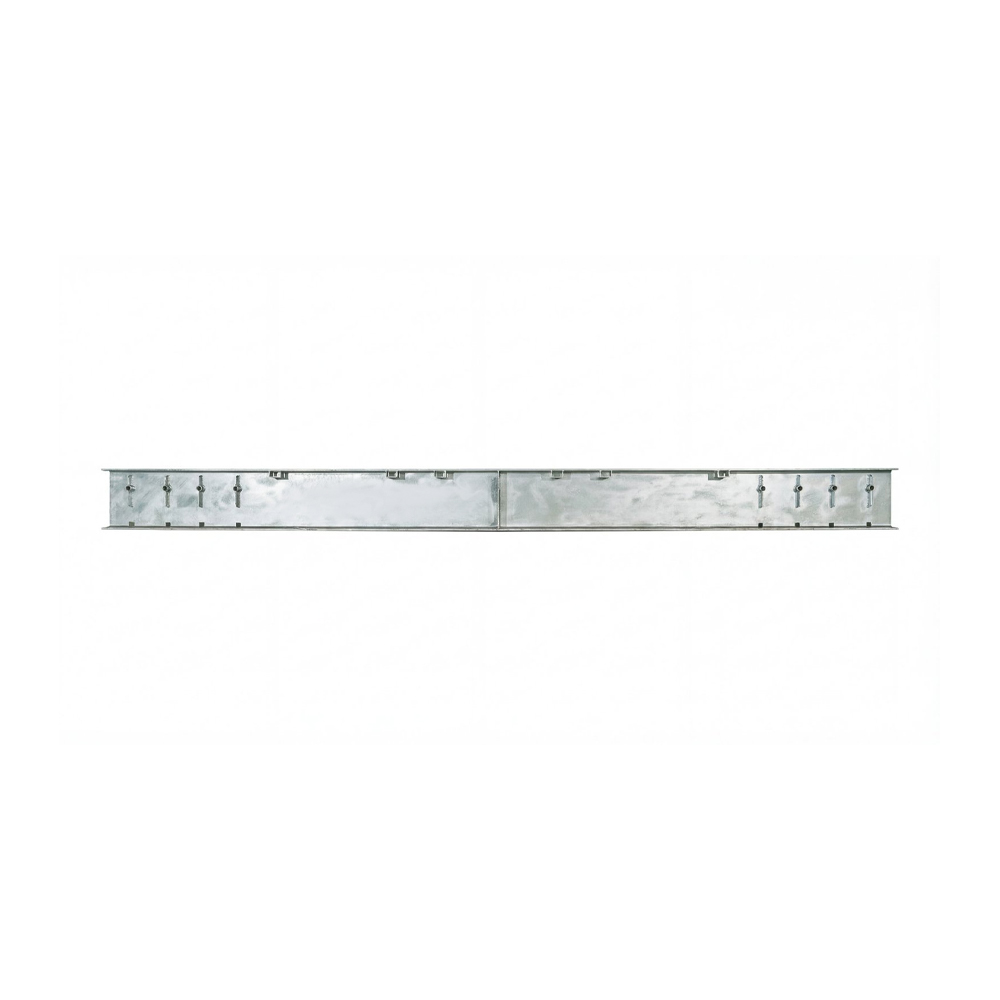
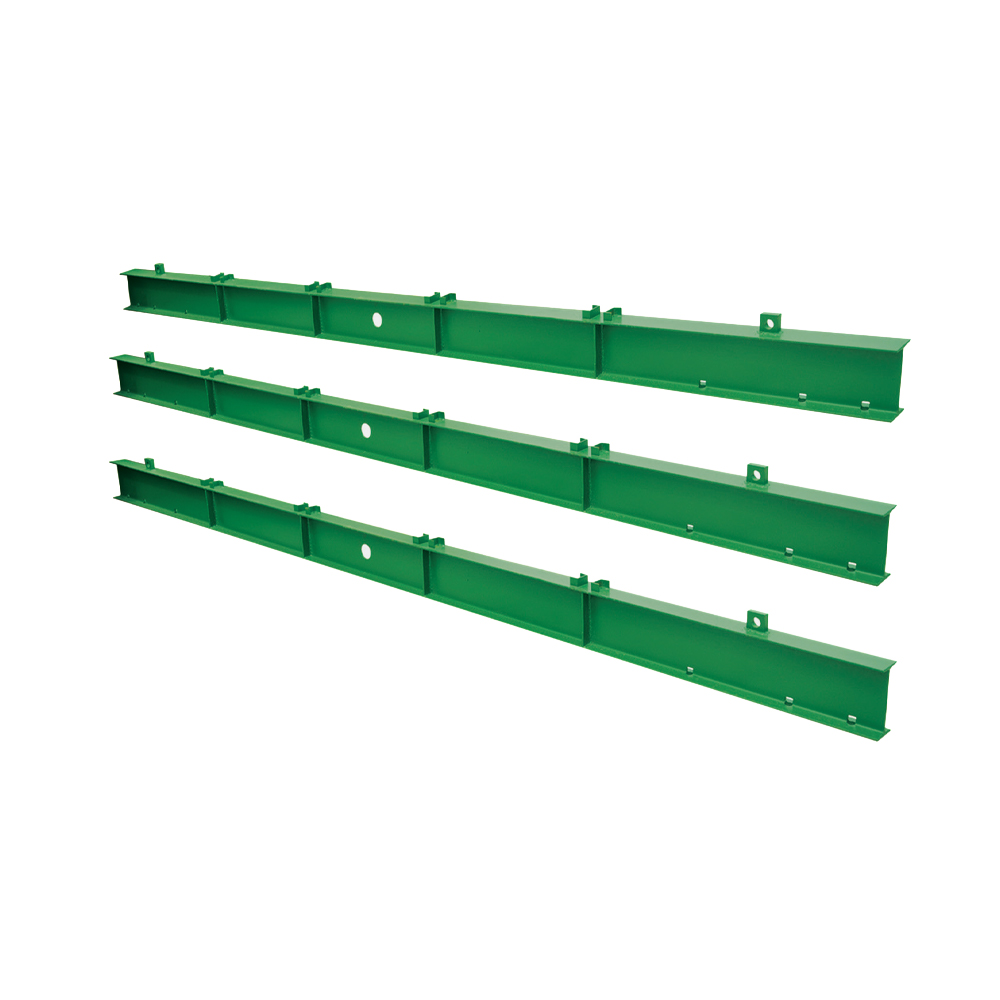
A complete modular emergency bridge system typically consists of the following standardized elements: chord panels bear primary bending moments and shear forces; transoms connect the two chord lines and support the deck; deck units carry vehicle or pedestrian loads directly; and end posts with approach ramps provide the transition gradient and end restraint. All connections are made with pin bolts or high-strength fasteners -- no field welding required -- dramatically reducing dependence on specialized construction equipment.
Support conditions typically involve either direct bearing on prepared abutments or intermediate steel piers placed within the waterway. When the required crossing exceeds a single span, intermediate piers extend the total bridge length without theoretical limit, making even wide river crossings achievable with standard module sets.
Materials Technology and Structural Performance
Early modular emergency bridges relied almost exclusively on mild carbon steel -- high in strength, low in cost, and globally available. The drawback was weight: individual panels were too heavy for unaided manual handling, and the steel surface demanded regular maintenance to resist corrosion in humid or coastal environments.
Modern designs increasingly favor high-strength aluminum alloys, particularly the 7000 series, whose specific strength far exceeds that of steel. Individual panel weights fall to roughly one-third of their steel equivalents, enabling two-man carry without mechanical assistance and dramatically improving deployability in rugged terrain or resource-scarce settings. Aluminum's corrosion resistance also eliminates most maintenance burdens in coastal or tropical environments.
Structural performance standards for modular emergency bridges follow either military load classification (MLC) or civilian design codes such as AASHTO or Eurocode. High-performance military systems must achieve MLC 70 or above -- sufficient for main battle tank traffic -- while simultaneously meeting dynamic impact factors and fatigue life requirements under repeated heavy loading.
Rapid Deployment Procedures and Engineering Practice
Deployment speed is the defining competitive advantage of modular emergency bridges. A trained engineering squad of ten to twenty personnel can erect a 30 to 40 meter truss bridge within 8 to 24 hours using only hand tools and light equipment -- no crane, no concrete pour, no extended curing time.
Standard Erection Sequence
A typical erection sequence proceeds as follows. First, site reconnaissance assesses bearing capacity on both banks and establishes the bridge alignment. End sill frames or bearing pads are then prepared and secured. The main structure advances by cantilever launching: panels are assembled at the near bank and pushed progressively toward the far bank, with a lightweight launching nose fitted at the leading end to control deflection. Once the nose reaches the far abutment, the main truss is lowered onto its bearings, deck units and parapets are installed, approach ramps are fitted, and the bridge undergoes a proof load test before opening to traffic.
Pontoon-based float bridges follow a different logic. Individual float units provide buoyancy support, with boats used to maneuver sections from one or both banks toward the center until they meet and connect. These systems are sensitive to current velocity, water level fluctuation, and crossing width, and typically incorporate anchor systems to resist lateral hydraulic forces throughout their service period.
Global Application Scenarios
Disaster Emergency Response
Earthquakes, floods, and landslides can destroy multiple bridge crossings within minutes, severing rescue corridors and stranding entire communities. Modular emergency bridges restore access within hours of a bridge loss, sustaining evacuation flows, supply convoys, and medical teams without interruption. They played critical roles following the 2010 Haiti earthquake, the 2011 Tohoku disaster in Japan, and numerous major flood events across South and Southeast Asia in subsequent years.
Military Engineering and Force Mobility
In military operations, the speed at which an engineer unit can bridge a water obstacle directly determines the tempo of an advance and the reliability of logistics. Modern army engineer formations carry modular bridging as a core organic capability. NATO-standard systems including the British BR90 and the German Leguan bridgelayer are both highly modular and mechanized, enabling bridge construction under direct fire conditions that would be impossible for conventional construction methods.
Infrastructure Development and Aid Programs
In developing nations and isolated communities where permanent bridge construction is unaffordable or logistically impractical, modular bridges offer a cost-effective long-term solution. Construction timelines are a fraction of those for cast-in-place concrete alternatives, no heavy plant needs to reach remote sites, and the same hardware can be reused at multiple locations over its service life. Organizations such as Bridges to Prosperity have built their entire program model around modular bridging technology to connect rural communities to markets, schools, and healthcare.
Industrial and Temporary Facility Use
Mining operations, construction projects, and large-scale events frequently require temporary crossings over roads, canals, or rail lines. Modular bridges can be erected for the project duration, then dismantled and relocated to the next site, recovering most of their capital cost across successive deployments. Outdoor venues and major sporting events similarly rely on temporary modular pedestrian bridges to manage crowd flows safely across level changes and waterways.
Leading Products and Market Participants
The global modular emergency bridge market is led by a small number of specialized firms with end-to-end design, manufacturing, and field service capabilities. Mabey Bridge of the United Kingdom is among the oldest and most widely deployed suppliers, with its Compact 200 and panel bridge products installed in more than eighty countries. Acrow Corporation's 700XS series is recognized for its load capacity and erection speed, maintaining a strong position in North American and military markets.
WFEL (formerly Brown and Root) produces the Medium Girder Bridge and the DSB heavy dry-support bridge used by several NATO armies. In Asia, Chinese manufacturers including CRRC and CCCC have developed competitive modular bridge offerings that are being exported across Belt and Road partner countries, combining low unit cost with increasing engineering sophistication.
Technology Innovation Trends
Digital Design and BIM Integration
Building Information Modeling tools are being adopted into modular bridge design and deployment planning workflows with increasing speed. Engineers can simulate erection sequences in digital twins, verify load paths across every construction stage, and use parametric design engines to generate site-specific module configurations within hours of receiving survey data. This compresses the gap between site reconnaissance and approved erection scheme from days to hours in time-critical deployments.
Structural Health Monitoring and Embedded Sensing
Embedding structural health monitoring (SHM) sensors into bridge modules to capture real-time strain, displacement, temperature, and vibration data is one of the most active current research directions. Such systems can detect developing structural anomalies before they become safety-critical, enabling condition-based maintenance and targeted module replacement rather than blanket periodic inspections, extending the effective service life of the bridge inventory.
Robotic and Mechanized Erection
Reducing personnel exposure in hazardous environments -- active combat zones, flood-inundated riverbanks, or chemically contaminated areas -- is a persistent priority for both military and civilian emergency management agencies. Remotely operated bridgelayers, semi-autonomous erection vehicles, and drone-assisted survey systems are under active development and field testing by several defense ministries. Early demonstrators have successfully completed span launches with no personnel forward of the bridge head.
Selection Criteria and Evaluation Dimensions
Selecting the right modular emergency bridge system for a specific scenario requires structured evaluation across several dimensions. Span requirement is the primary constraint, determining the number of chord panel layers and the overall structural scheme. Load rating directly governs section sizing and connection design. Erection speed requirements determine whether mechanical assistance is needed and what crew size is appropriate. Transport conditions -- road access, weight limits, available vehicles -- constrain maximum system weight and individual module dimensions.
Environmental corrosivity (marine climate, industrial pollution, tropical humidity) drives material selection. Anticipated service duration -- whether the bridge is purely temporary or must serve for years -- affects whole-life cost calculations. International interoperability, including the availability of spare parts and technical support in the deployment region, governs the practical feasibility and long-term sustainability of global operations.
Over eight decades, the modular emergency bridge has evolved from a wartime expedient into a comprehensive engineering platform serving disaster relief, military operations, infrastructure development, and industrial logistics. Its enduring value is the ability to transform time -- the most inelastic resource in a crisis -- into a manageable engineering variable.
As materials science, digital engineering, and embedded sensing continue to advance, the performance boundaries of these systems will keep expanding. Tomorrow's modular emergency bridges will be lighter, stronger, and self-monitoring throughout their service life. For infrastructure planners, emergency management agencies, and defense engineers alike, mastering the selection logic and deployment discipline of modular bridging has become a core professional competency in modern engineering practice.