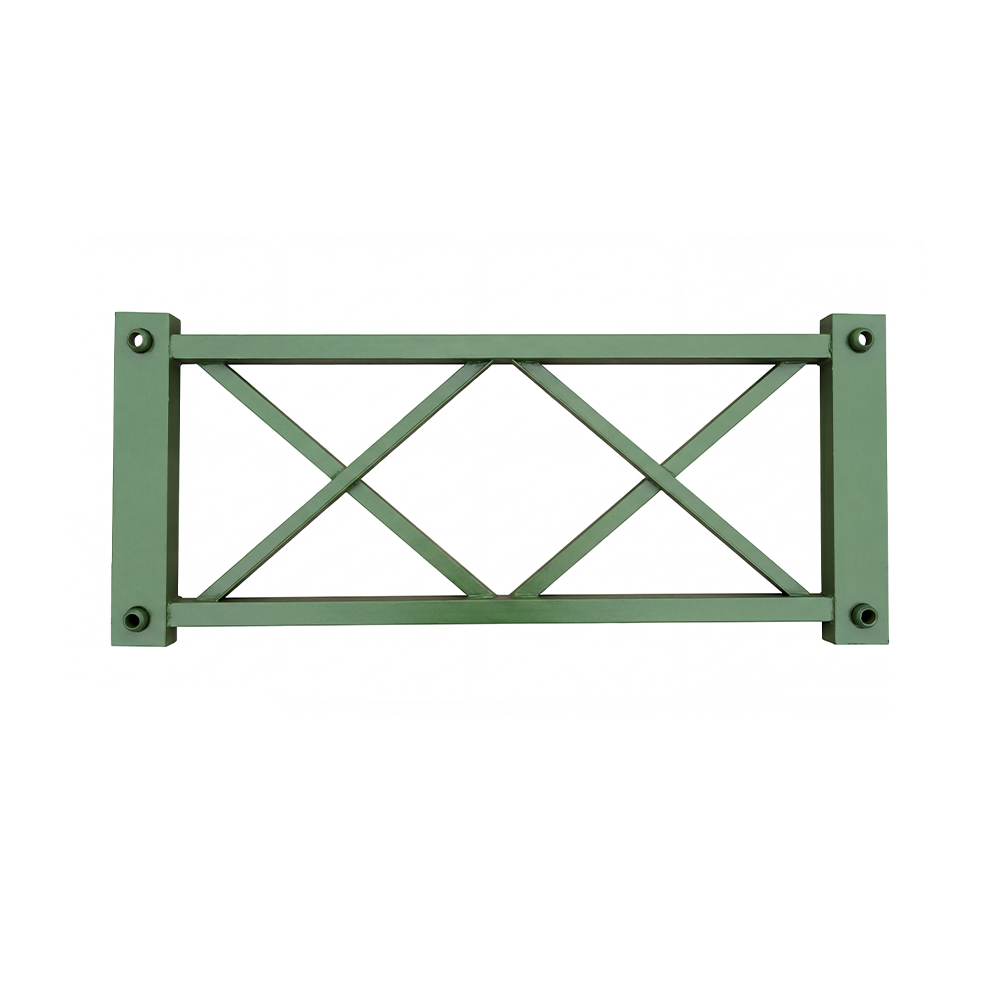
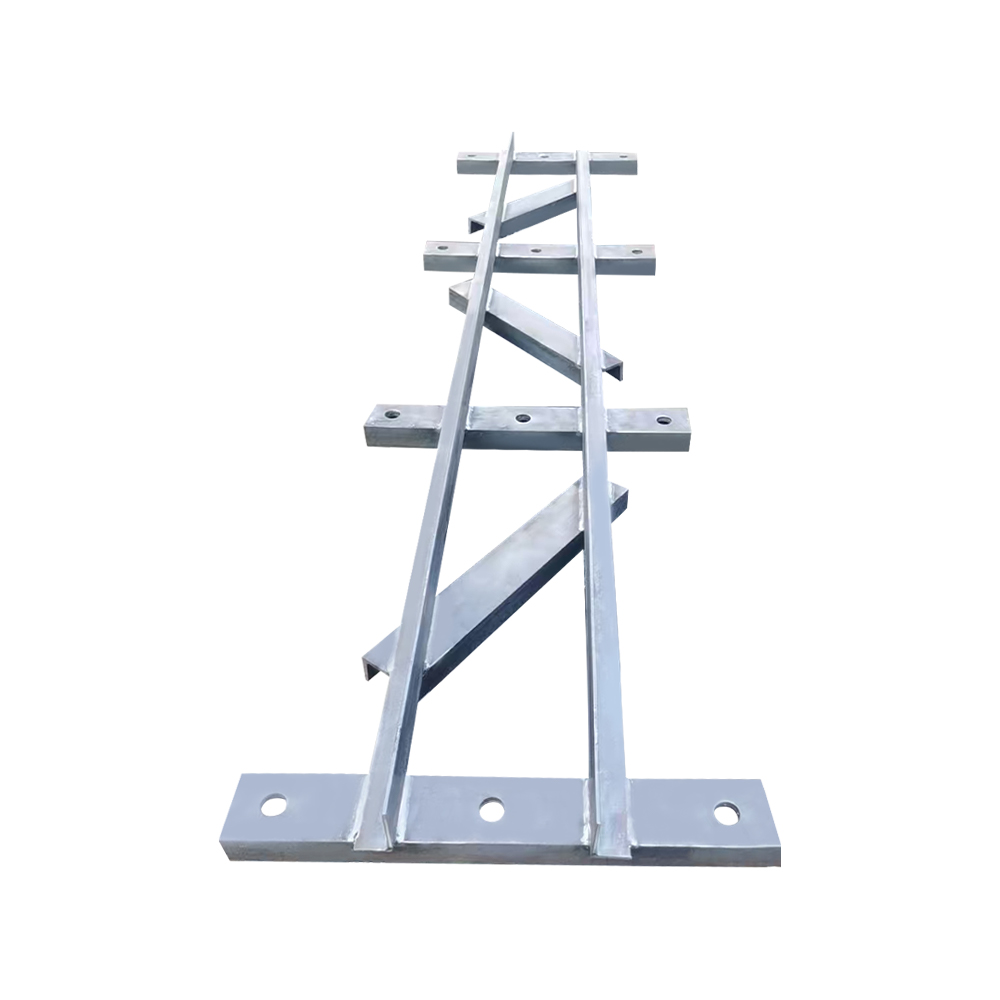
Bridge construction projects, particularly those involving cast-in-place concrete methods, demand temporary support systems capable of safely carrying enormous loads while remaining adaptable to the specific geometric and site conditions of each individual project. Among the various temporary support solutions available to civil engineers and construction contractors, the high-load-bearing customized cast-in-place bridge Bailey support has become a widely trusted solution for projects requiring both exceptional structural capacity and the flexibility to accommodate unique bridge designs. By combining the proven modular strength of Bailey truss technology with project specific customization, this type of support system enables construction teams to safely and efficiently support the substantial weight of wet concrete, formwork, and construction equipment during the critical casting and curing phases of bridge construction. Understanding the engineering principles, structural advantages, and practical applications of these support systems provides valuable insight for engineers, project managers, and construction professionals involved in bridge building and infrastructure development projects.
Bailey truss technology originated as a modular steel panel system designed for rapid deployment in military and civil engineering applications, valued for its ability to be assembled from standardized components into strong, load bearing structures without requiring specialized heavy equipment or extensive on site fabrication. In the context of modern bridge construction, this same modular truss principle has been adapted and refined to serve as a temporary support structure specifically designed to carry the substantial loads associated with cast-in-place concrete bridge construction methods.
A cast-in-place bridge Bailey support functions as a temporary scaffolding and load bearing framework positioned beneath the area where bridge deck concrete will be poured, effectively supporting the formwork, reinforcement steel, and wet concrete until the structure achieves sufficient strength to become self supporting. This temporary support role is critical to the overall construction process, since improperly designed or inadequately rated support systems can lead to serious structural failures during the concrete pouring and curing process, potentially resulting in significant safety hazards, project delays, and substantial financial losses.
The Importance of High Load Bearing Capacity
Cast-in-place bridge construction involves supporting extraordinarily heavy loads throughout the concrete pouring process, including the combined weight of wet concrete, which is considerably heavier than cured concrete due to its water content, along with the weight of steel reinforcement, formwork panels, and any construction equipment or personnel present on the structure during the pouring operation. These combined loads can easily reach hundreds or even thousands of tons depending on the size and span of the bridge deck section being cast, making high load bearing capacity an absolutely essential requirement for any temporary support system used in this application.
High-load-bearing Bailey support systems are specifically engineered and rated to handle these demanding load requirements through the use of high strength steel components, carefully calculated truss configurations, and rigorous structural analysis performed during the design phase of each project. The modular nature of Bailey truss construction actually supports this high load bearing capability, since additional truss panels, bracing members, and support legs can be incorporated into the overall system design to distribute and carry increasingly heavy loads as required by the specific dimensions and concrete volume associated with each individual bridge section being constructed.
Safety factors incorporated into the structural design of these support systems provide an additional margin of protection beyond the calculated maximum expected load, helping account for potential variations in material properties, construction sequencing, environmental conditions, and other factors that could influence actual load conditions during construction. This conservative engineering approach reflects the critical safety importance of temporary bridge support structures, where structural failure during the concrete pouring process could pose severe risks to construction personnel and result in significant project setbacks.
Key Load Bearing Design Factors
- Accurate calculation of wet concrete, reinforcement, and equipment loads
- High strength steel truss panels and structural components
- Modular configuration allowing scalable load distribution
- Incorporated safety factors beyond calculated maximum loads
- Rigorous structural analysis specific to each project scenario
Customization for Project Specific Requirements
While standardized Bailey truss components form the foundational building blocks of these support systems, the customized aspect of high-load-bearing bridge Bailey support reflects the reality that no two bridge construction projects are identical. Site conditions, bridge span length, deck width, terrain elevation changes, and access constraints all vary significantly between projects, requiring careful customization of the overall support system design to ensure it appropriately addresses the specific challenges and requirements of each individual construction site.
Customization typically begins with detailed site surveying and structural analysis, allowing engineers to understand the specific ground conditions, existing structures, and spatial constraints present at the construction location. This information informs decisions regarding support leg placement, foundation requirements, and overall truss configuration, ensuring the support system can be properly positioned and adequately founded to safely carry the calculated loads throughout the construction process.
Bridge geometry itself also significantly influences customization requirements, since factors such as deck curvature, variable span widths, or complex multi span configurations may require specialized truss arrangements, additional bracing systems, or custom connection details not present in more standardized applications. Engineers must carefully balance the use of standardized, cost effective Bailey components with the specific customization necessary to safely and efficiently support each unique bridge design, often working closely with contractors to develop practical, buildable solutions that meet both structural requirements and project schedule constraints.
Structural Components and System Configuration
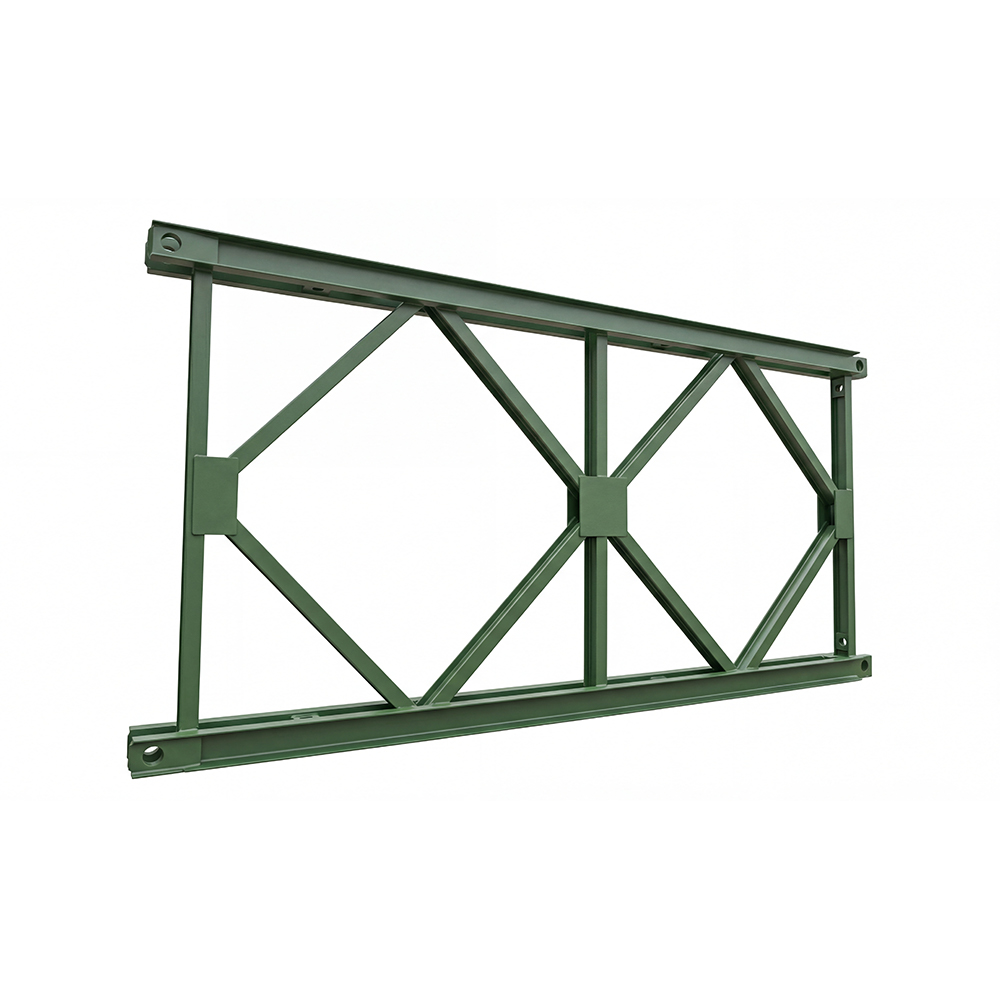
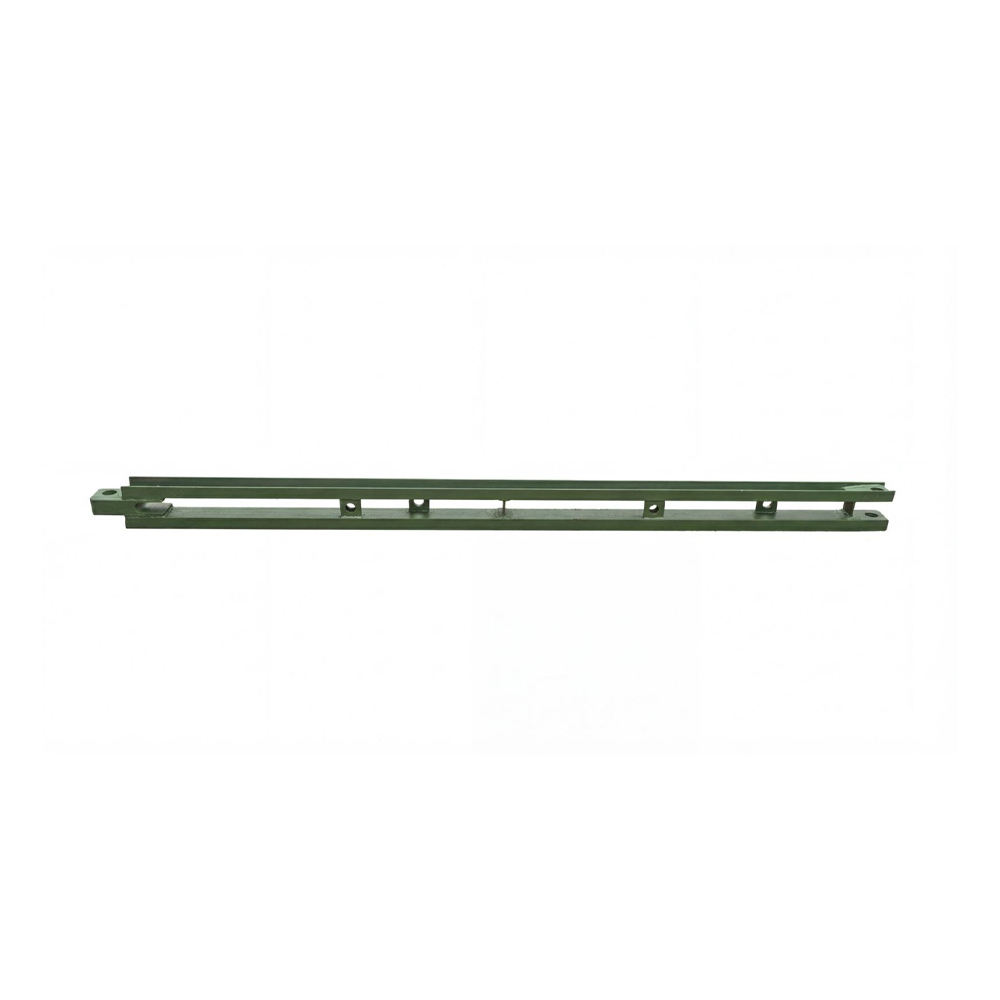
A typical high-load-bearing bridge Bailey support system consists of several key structural components working together to safely distribute and carry the substantial loads associated with cast-in-place bridge construction. The primary truss panels form the main load bearing framework, typically arranged in horizontal rows connected through standardized pin connections that allow for relatively rapid assembly while maintaining the structural integrity necessary for high load applications. These panels can be stacked or extended to increase overall structural depth and load capacity as required by the specific project demands.
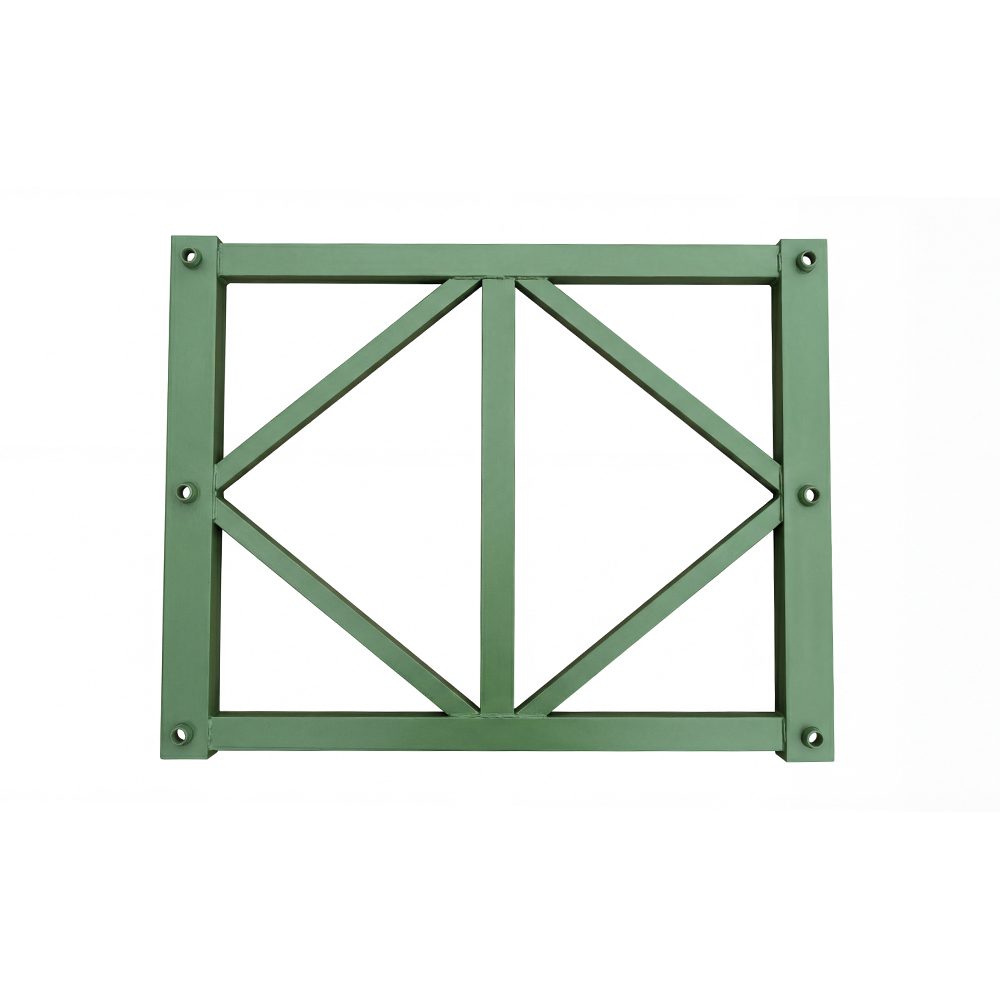
Support legs and foundation systems form another critical component category, responsible for transferring the substantial loads carried by the truss system down to adequate foundation points, whether this involves temporary footings, existing ground surfaces, or specially prepared foundation pads designed to distribute the concentrated loads without excessive settlement or ground failure. Bracing systems, including diagonal and lateral bracing members, help maintain overall system stability, preventing lateral movement or buckling that could otherwise compromise the structural performance of the support system under load.
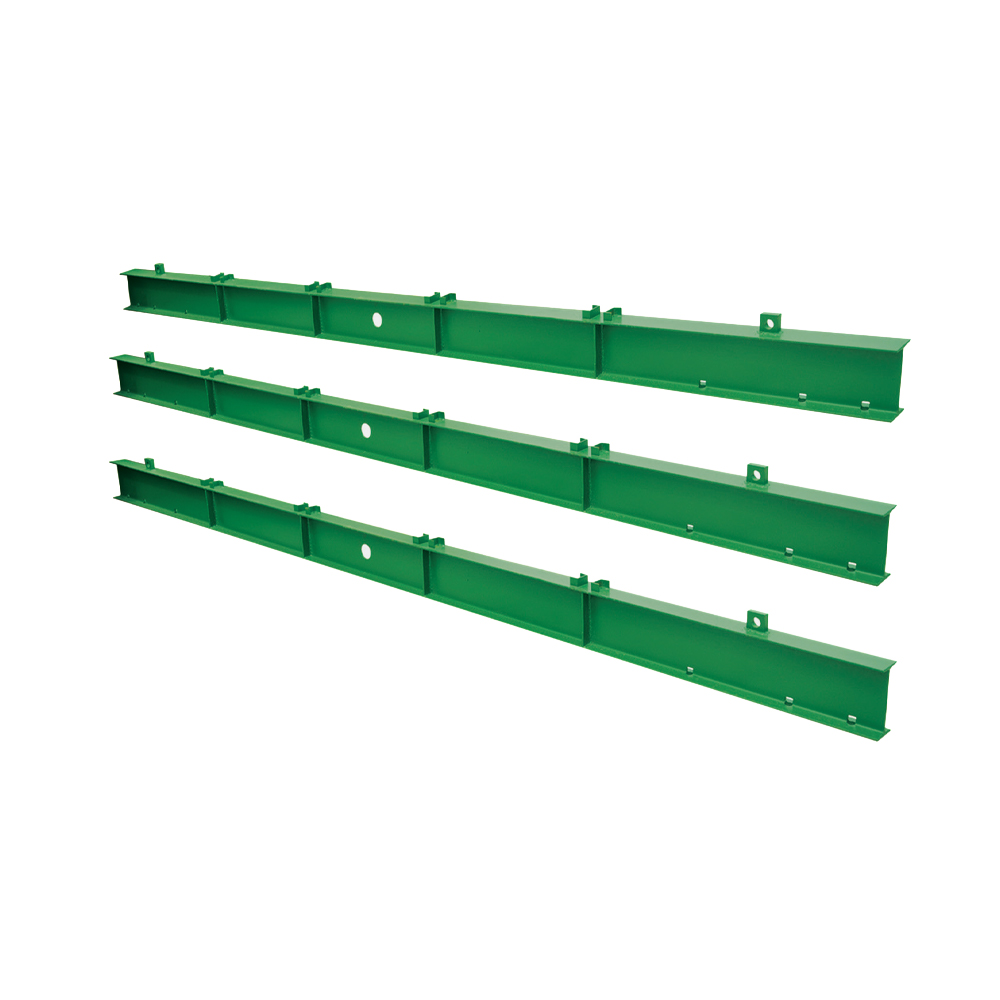
Distribution beams and load spreading components positioned atop the primary truss structure help ensure that the concentrated loads generated by formwork support points and construction equipment are properly distributed across the broader truss framework, avoiding excessive localized stress concentrations that could otherwise create structural vulnerabilities within the overall support system. Together, these interconnected structural components form a comprehensive load bearing system engineered to safely support the demanding requirements of cast-in-place bridge construction.
Core System Components
- Primary truss panels forming the main load bearing framework
- Support legs and foundation systems for load transfer to ground
- Diagonal and lateral bracing for overall system stability
- Distribution beams for even load spreading across the structure
- Standardized pin connections supporting efficient assembly
Advantages of Modular Bailey Truss Construction
The modular nature of Bailey truss technology offers several important advantages that have contributed to its widespread adoption for cast-in-place bridge support applications. Assembly efficiency represents one of the most significant benefits, since standardized panel connections allow construction crews to erect the support structure relatively quickly compared to fully custom fabricated support systems, helping maintain project schedules and reduce overall construction timelines. This efficiency becomes particularly valuable on projects with tight schedule constraints or those requiring the support system to be assembled and later disassembled multiple times across different bridge sections.
Reusability further enhances the cost effectiveness of Bailey truss support systems, since the modular steel components can typically be disassembled after concrete curing is complete and subsequently reconfigured for use on different bridge sections or entirely different projects, extending the useful service life and overall value of the equipment investment. This reusability aligns well with the temporary nature of the support requirement, since the system is only needed until the cast concrete achieves sufficient strength to become self supporting, at which point the temporary support structure can be removed and redeployed elsewhere.
Transportation and logistics advantages also favor modular truss systems, since individual components can typically be transported using standard trucking equipment without requiring the oversized load permits and specialized transport arrangements sometimes necessary for large, pre assembled structural elements. This transportation flexibility supports more efficient project logistics, particularly relevant for bridge construction projects located in areas with limited access or challenging site conditions.
Engineering Analysis and Design Verification Process
The design and verification process for high-load-bearing customized bridge Bailey support systems typically involves comprehensive structural engineering analysis to ensure the proposed configuration can safely carry all anticipated construction loads under the specific conditions present at each project site. This analysis begins with detailed load calculations that account for the weight of wet concrete based on the specific dimensions and pour sequence planned for the bridge deck, along with additional loads associated with formwork, reinforcement steel, construction equipment, and personnel expected to be present during the pouring operation.
Structural modeling software is commonly used to analyze the proposed truss configuration under these calculated load conditions, helping engineers verify that individual structural members, connections, and overall system stability meet required safety standards before construction begins. This modeling process also allows engineers to optimize the support system design, potentially identifying opportunities to reduce material usage or simplify the overall configuration while still maintaining the necessary structural performance and safety margins required for the specific project.
Foundation and ground bearing analysis represents another critical component of the overall design verification process, since even a well engineered truss system will fail to perform adequately if the underlying foundation cannot properly support the transferred loads without excessive settlement or failure. Geotechnical evaluation of site conditions helps inform appropriate foundation design decisions, whether this involves specialized footing designs, ground improvement measures, or careful positioning of support legs to avoid areas with inadequate bearing capacity.
Construction Site Assembly and Safety Considerations
Proper assembly procedures and ongoing safety monitoring throughout the construction process are essential to realizing the full structural performance intended by the engineering design of a high-load-bearing bridge Bailey support system. Construction crews responsible for erecting these systems typically follow detailed assembly sequences and connection specifications developed during the engineering design phase, ensuring that all structural components are properly installed and secured according to the calculated design requirements.
Quality control inspections conducted throughout the assembly process help verify that connections are properly tightened, components are correctly positioned, and overall system geometry matches the intended design specifications before concrete pouring operations begin. Many projects also incorporate load testing or deflection monitoring procedures during the initial stages of concrete pouring, allowing construction teams to verify actual support system performance against predicted engineering calculations, providing an additional layer of safety verification before the full anticipated load is applied to the temporary support structure.
Ongoing monitoring throughout the concrete curing period further supports overall project safety, with construction teams typically conducting regular visual inspections and, in some cases, instrumented monitoring of key structural elements to detect any signs of unexpected movement, deflection, or distress that could indicate developing structural issues requiring immediate attention. This continued vigilance throughout the critical curing period helps ensure that any potential issues are identified and addressed promptly, well before they could develop into more serious structural concerns.
Site Safety and Quality Practices
- Detailed assembly sequences following engineering specifications
- Quality control inspections verifying proper component installation
- Load testing and deflection monitoring during initial pouring stages
- Continuous visual inspection throughout the concrete curing period
- Instrumented monitoring for early detection of structural concerns
Applications Across Diverse Bridge Construction Projects
High-load-bearing customized cast-in-place bridge Bailey support systems find application across a wide range of bridge construction scenarios, reflecting their adaptability and proven structural performance. Highway overpass and interchange construction projects frequently rely on these support systems, particularly in situations involving construction over existing active roadways, where the temporary support structure must be carefully designed to accommodate traffic clearance requirements while still providing the necessary load bearing capacity for the concrete pouring process above.
Railway bridge construction similarly benefits from these versatile support systems, particularly given the often stringent structural and safety requirements associated with railway infrastructure projects. River and waterway crossing bridges present additional complexity, sometimes requiring specialized foundation approaches or temporary work platforms to support the Bailey truss system in locations with challenging access or ground conditions, further highlighting the value of the customization capabilities inherent to these engineered support solutions.
Urban infrastructure projects, including elevated roadways and complex multi span bridge structures within dense city environments, also frequently utilize customized Bailey support systems, taking advantage of their relatively compact footprint and transportation flexibility compared to alternative support solutions that might otherwise struggle to accommodate the space constraints and logistical challenges common to urban construction environments.
Selecting a Qualified Bailey Support Provider
Given the critical safety implications associated with temporary bridge support structures, selecting a qualified and experienced provider for high-load-bearing customized cast-in-place bridge Bailey support systems represents an essential decision for any bridge construction project. Buyers and contractors should carefully evaluate a potential provider's engineering capabilities, including their demonstrated experience conducting the detailed structural analysis necessary to properly design support systems for varying project conditions and load requirements.
Manufacturing quality and material certification documentation should also be carefully reviewed, ensuring that the steel components used in the truss system meet appropriate structural steel standards and have been properly tested to verify their load bearing capacity claims. Additionally, evaluating a provider's track record across similar past projects, including their ability to deliver customized solutions on schedule while maintaining rigorous safety standards throughout the assembly and construction monitoring process, provides valuable insight into their overall reliability as a construction partner for critical bridge support applications.
High-load-bearing customized cast-in-place bridge Bailey support systems represent a critical enabling technology within modern bridge construction, combining the proven strength and modular efficiency of Bailey truss engineering with the precise customization necessary to safely address the unique demands of individual construction projects. Through careful structural analysis, high quality material selection, and rigorous assembly and monitoring practices, these support systems provide the reliable load bearing performance necessary to safely carry the substantial loads associated with cast-in-place concrete bridge construction. As infrastructure development continues to expand across highway, railway, and urban construction projects worldwide, the continued advancement and careful application of high-load-bearing customized bridge Bailey support technology will remain an essential foundation supporting the safe and efficient construction of the bridges that connect communities and economies around the world.


 Français
 Español
 عربى
عربى