Français
 Español
 عربى
عربى

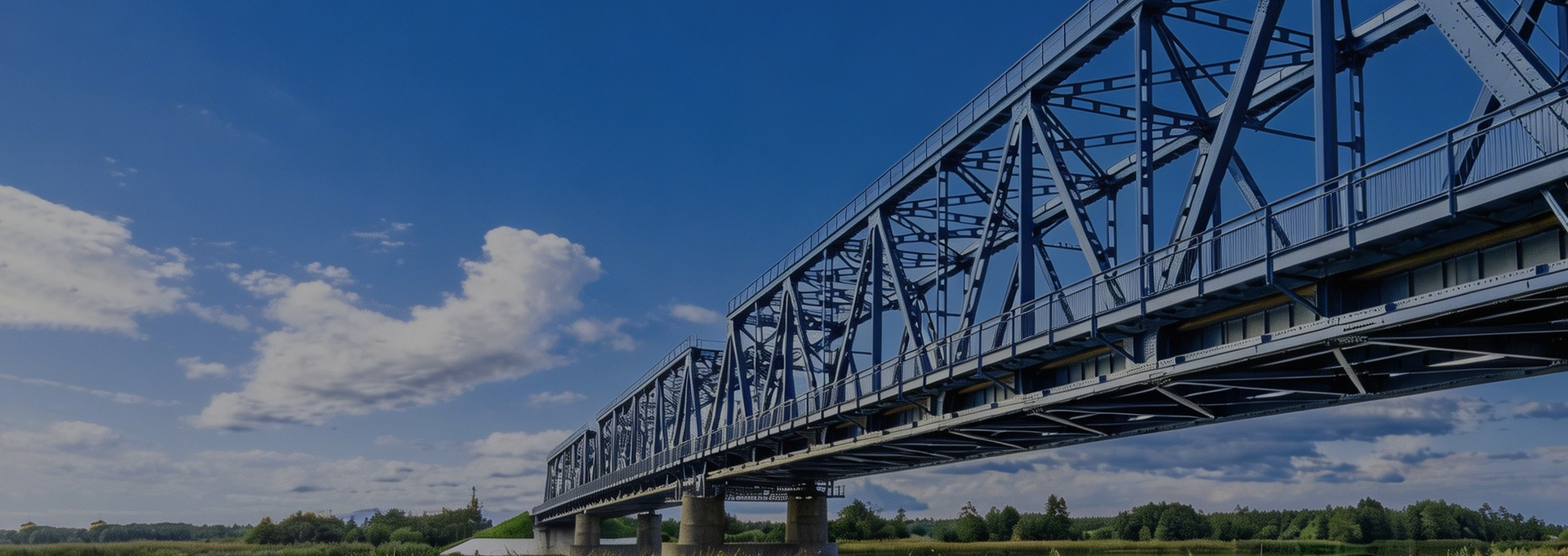
Modern infrastructure networks face growing pressure from aging assets, extreme weather events, and the constant demand for rapid, reliable connectivity. Among the engineering solutions that have proven their worth over decades of field use, the Precision Pre-Cambered Bailey Truss stands out as a modular, adaptable, and structurally efficient system for building and restoring bridges under demanding conditions. This article examines the engineering principles behind pre-cambering, the role of precision manufacturing, and how these factors combine to strengthen infrastructure resilience.
Understanding the Bailey Truss System
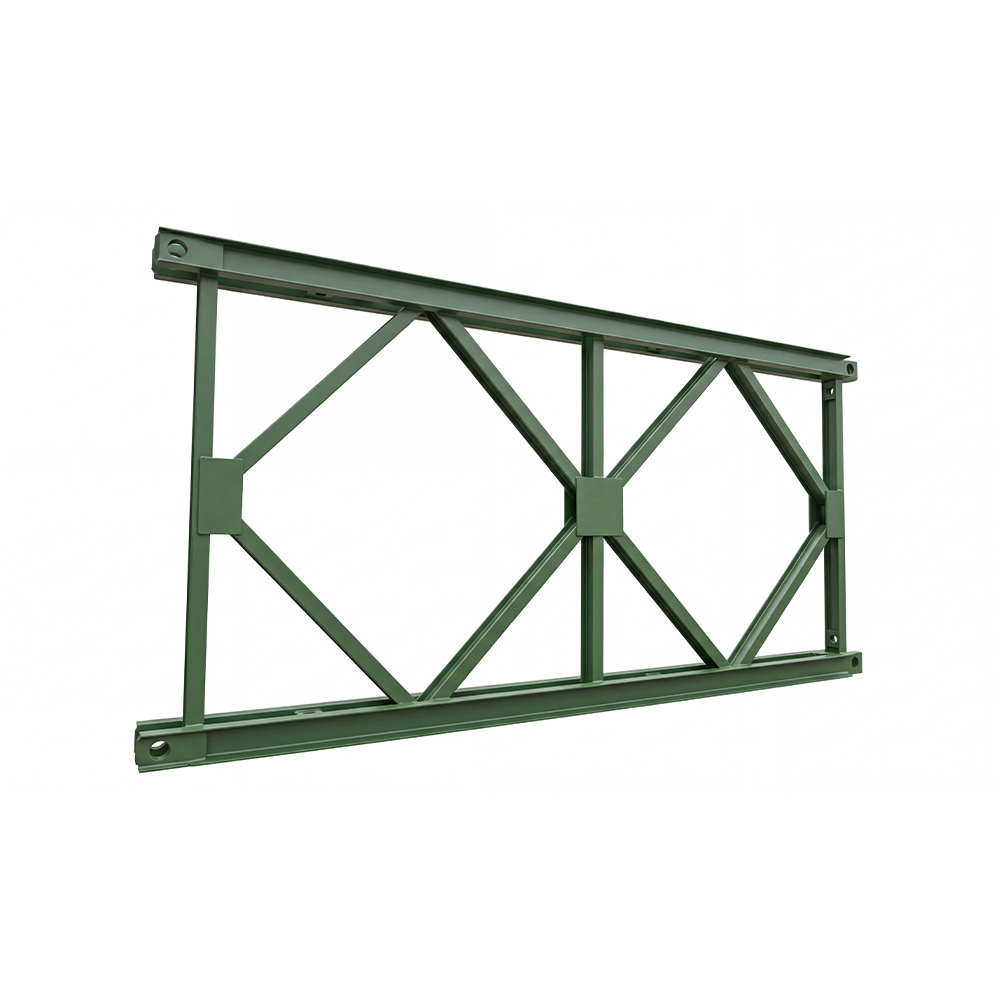
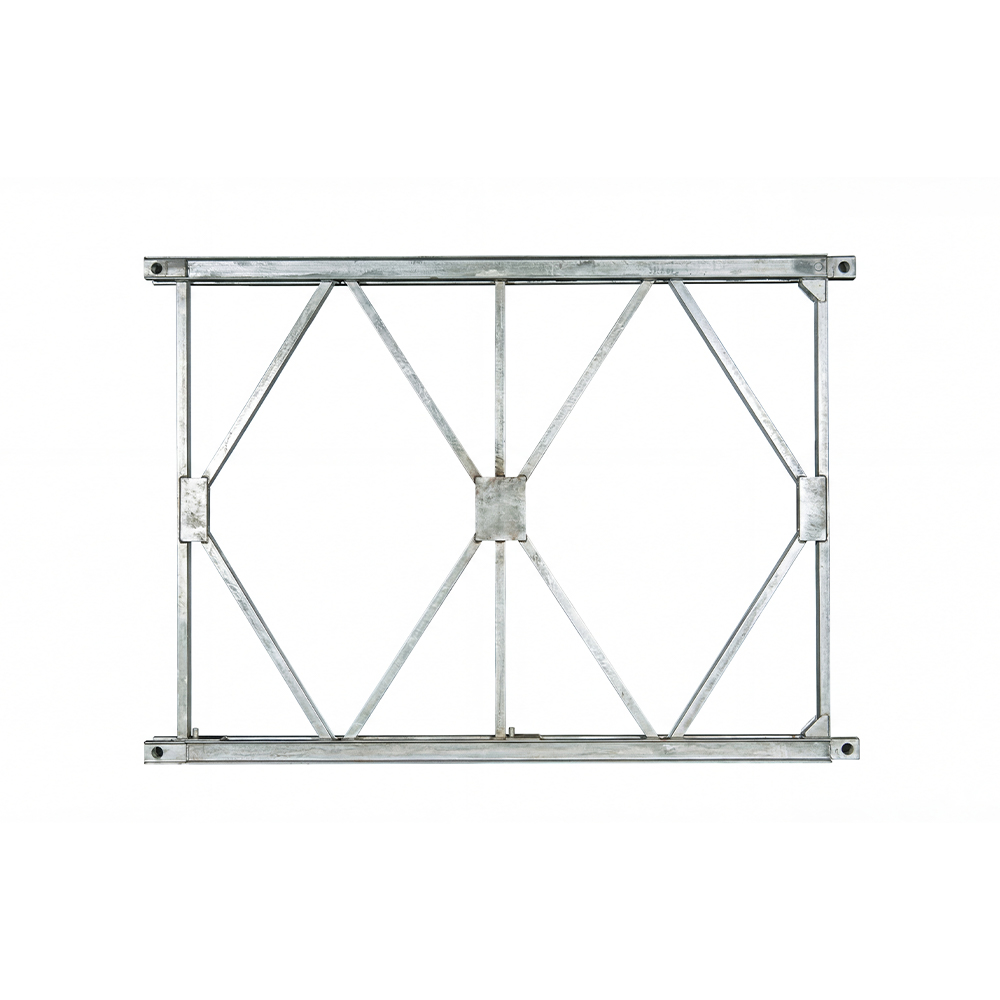
The Bailey truss is a modular, prefabricated bridging system originally developed for military use and later adapted widely for civilian infrastructure. Its core strength lies in standardized panels that can be bolted together on-site without heavy machinery, allowing crews to assemble spans quickly across rivers, ravines, or damaged roadways. Because each panel is interchangeable, the system offers exceptional flexibility in span length, load rating, and configuration, making it a preferred choice for emergency bridge replacement and temporary or semi-permanent crossings.
What Is Pre-Cambering and Why It Matters
Pre-cambering refers to the deliberate introduction of an upward curvature into a truss structure before it carries any load. When the bridge is placed into service and subjected to dead load and live load, the structure deflects downward toward its intended flat or slightly arched profile. Without pre-cambering, a long-span truss may settle into a visible sag, which not only affects the ride quality and visual alignment of the bridge but can also introduce uneven stress distribution across truss members and connections.
A precisely calculated camber compensates for anticipated deflection, ensuring that the bridge achieves its correct geometric profile once fully loaded. This is particularly critical for longer Bailey truss spans, multi-story configurations, or double-double reinforced designs, where cumulative deflection can otherwise become significant.
The Engineering Behind Precision Camber Calculation
Determining the correct camber value requires detailed structural analysis, including:
- Accurate assessment of dead load, including panel weight, decking, and transoms
- Projected live load based on vehicle classification and traffic type
- Span length, truss configuration (single, double, or triple-single/double/triple), and support conditions
- Material properties of the steel panels and connecting pins
- Environmental factors such as temperature variation, which can affect thermal expansion and material behavior
Engineers use these variables to model expected deflection curves, then translate that data into a physical pre-camber profile that is built into the truss during assembly, often through packing or jacking at panel joints and end supports.
How Precision Enhances Structural Performance
Precision in fabrication and assembly is what transforms a general pre-cambering concept into a reliable engineering outcome. Small deviations in panel manufacturing tolerances, pin fit, or camber packing can accumulate across dozens of connected panels, leading to unintended stress concentrations or misalignment at bearings. High-precision manufacturing standards for Bailey truss components ensure:
- Consistent load transfer through chords and diagonals
- Reduced risk of localized overstress at panel pins and joints
- Predictable long-term deflection behavior under repeated loading cycles
- Improved fatigue resistance, particularly important for bridges subject to frequent heavy vehicle traffic
These qualities are essential not only for immediate structural safety but also for the long-term durability of the bridge, especially in infrastructure networks where downtime for repair or replacement carries high economic and social costs.
Contribution to Infrastructure Resilience
Infrastructure resilience refers to a system's ability to withstand, adapt to, and quickly recover from disruptive events, whether natural disasters, structural failures, or sudden surges in demand. Precision pre-cambered Bailey truss bridges contribute to resilience in several distinct ways.
Rapid Deployment After Disruption
When floods, earthquakes, or landslides damage existing bridge infrastructure, communities and supply chains can be cut off for extended periods if replacement structures take months to design and build. Because Bailey truss components are modular and pre-engineered, a pre-cambered design can be fabricated off-site and assembled rapidly once conditions allow, restoring critical connectivity in days rather than months.
Load Adaptability for Changing Demands
Infrastructure resilience also involves the capacity to accommodate evolving load requirements, such as increased freight traffic or emergency vehicle access. The modular nature of Bailey truss systems allows engineers to reinforce spans with additional truss lines (moving from single to double or triple configurations) while maintaining the benefits of precise camber control, ensuring the structure continues to perform predictably under higher loads.
Durability Under Repeated Stress
Because precision pre-cambering minimizes uneven stress distribution, these bridges tend to experience more uniform wear across their structural members. This reduces the likelihood of localized fatigue cracking or connection loosening, both of which can compromise long-term reliability, particularly in regions with heavy or continuous freight traffic.
Design and Construction Considerations
Successfully implementing a precision pre-cambered Bailey truss involves close coordination between structural engineers, fabricators, and field assembly teams. Key considerations include:
- Site survey accuracy: Precise measurement of span length and support elevations is essential for correct camber calculation.
- Material quality control: Panels, pins, and chords must meet strict dimensional and metallurgical tolerances.
- Assembly sequencing: Camber is often built in incrementally during launch or erection, requiring careful monitoring to avoid introducing unintended stresses.
- Post-installation verification: Surveying the completed structure under test loading confirms that actual deflection matches design predictions.
Maintenance and Long-Term Monitoring
Even with precise initial design, ongoing monitoring supports long-term resilience. Periodic inspection of pin connections, panel alignment, and deck condition helps identify wear before it becomes a structural concern. Some infrastructure agencies incorporate deflection monitoring sensors on critical Bailey truss installations, allowing engineers to track performance trends over time and schedule maintenance proactively rather than reactively.
The precision pre-cambered Bailey truss represents a mature yet continually refined engineering solution for infrastructure that must be resilient, adaptable, and quick to deploy. By combining the inherent modularity of the Bailey system with carefully calculated camber and high manufacturing precision, engineers can deliver bridges that perform predictably under load, resist long-term fatigue, and restore essential connectivity when communities need it most. As infrastructure networks continue to face climate-related and operational pressures, this combination of proven modularity and precision engineering will remain a valuable tool for building resilient transportation systems.