When natural disasters, armed conflict, or sudden infrastructure failure sever a community's access to roads, bridges, or vital supply routes, the speed of recovery often determines outcomes measured in lives, not just logistics. The modular Type 321 Bailey truss has served as one of the most trusted solutions in emergency infrastructure recovery for decades, offering a rapidly deployable bridging system that restores connectivity when it matters most. This guide explores the engineering behind this system, its role in disaster response, and the surprisingly important connection between fast, reliable infrastructure recovery and the physical and mental wellbeing of the communities and responders who depend on it.
What Is a Modular Type 321 Bailey Truss
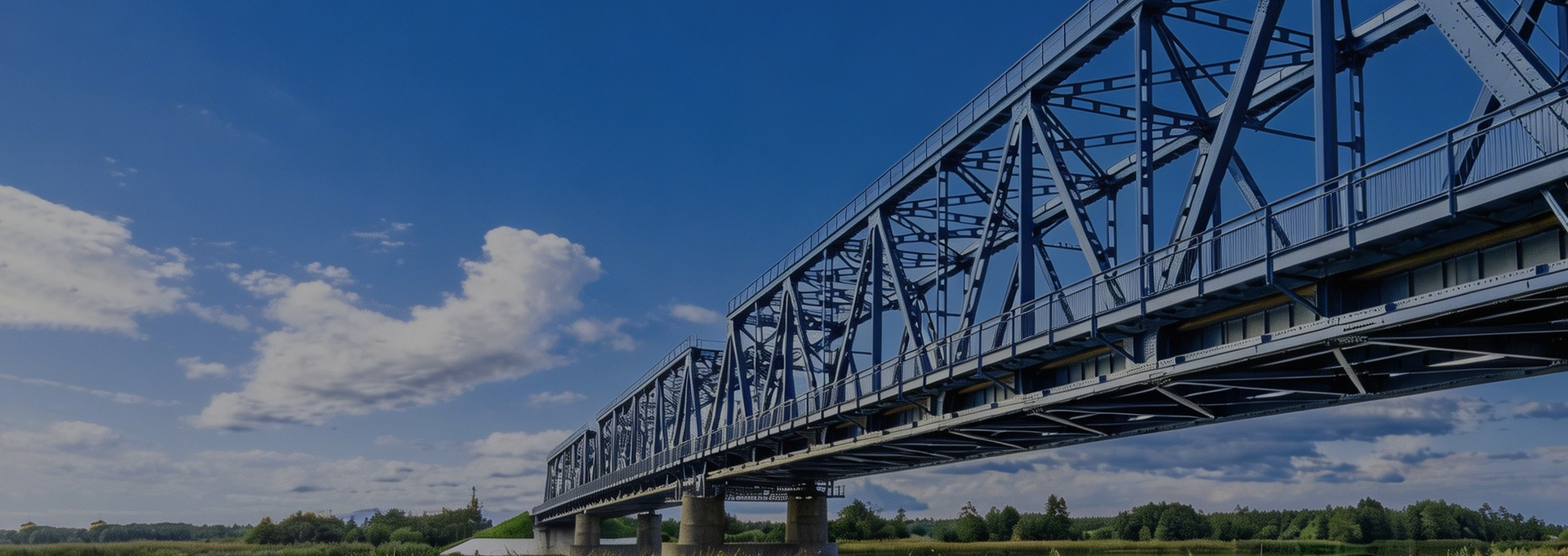
The Bailey truss system originated as a military bridging solution designed to be assembled quickly by teams without heavy cranes or specialized equipment, using standardized modular panels that connect through simple pin joints. The Type 321 designation refers to a specific configuration and load classification within the broader Bailey bridge family, engineered to balance strength, span capability, and ease of transport for demanding recovery scenarios.
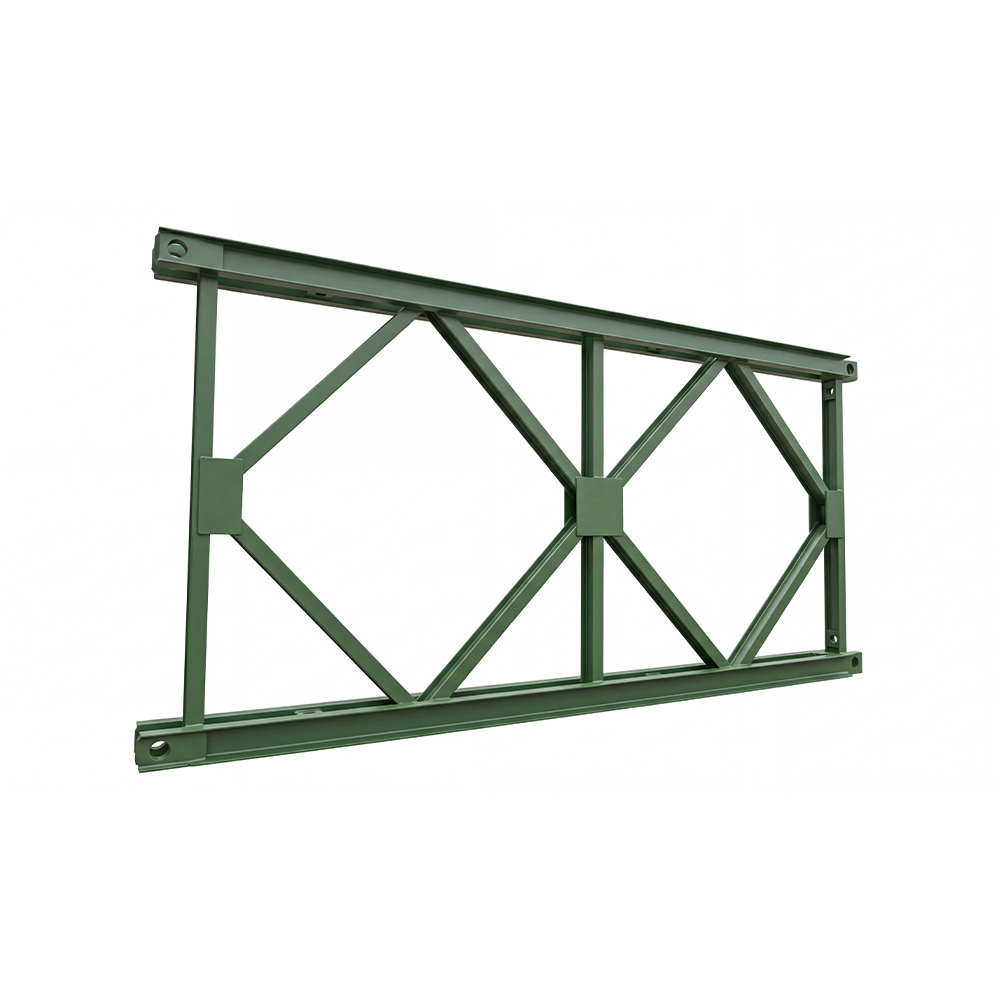
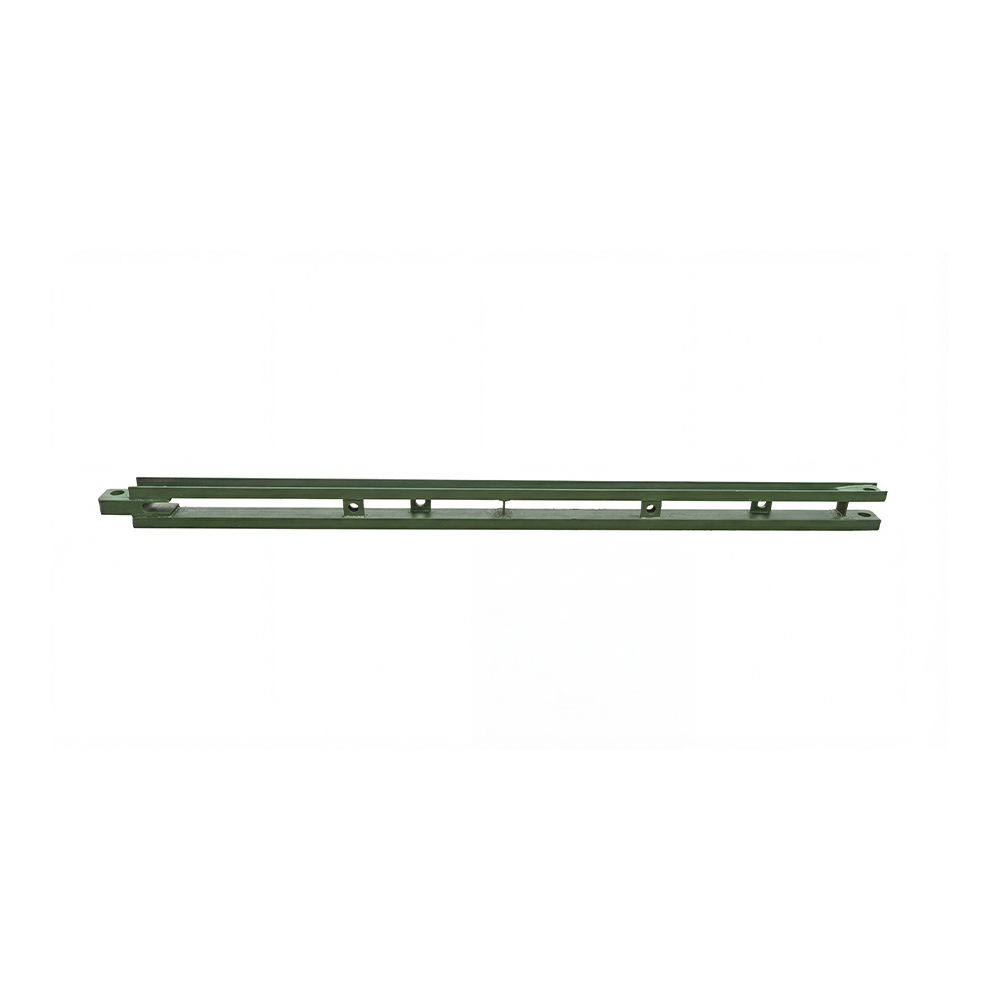
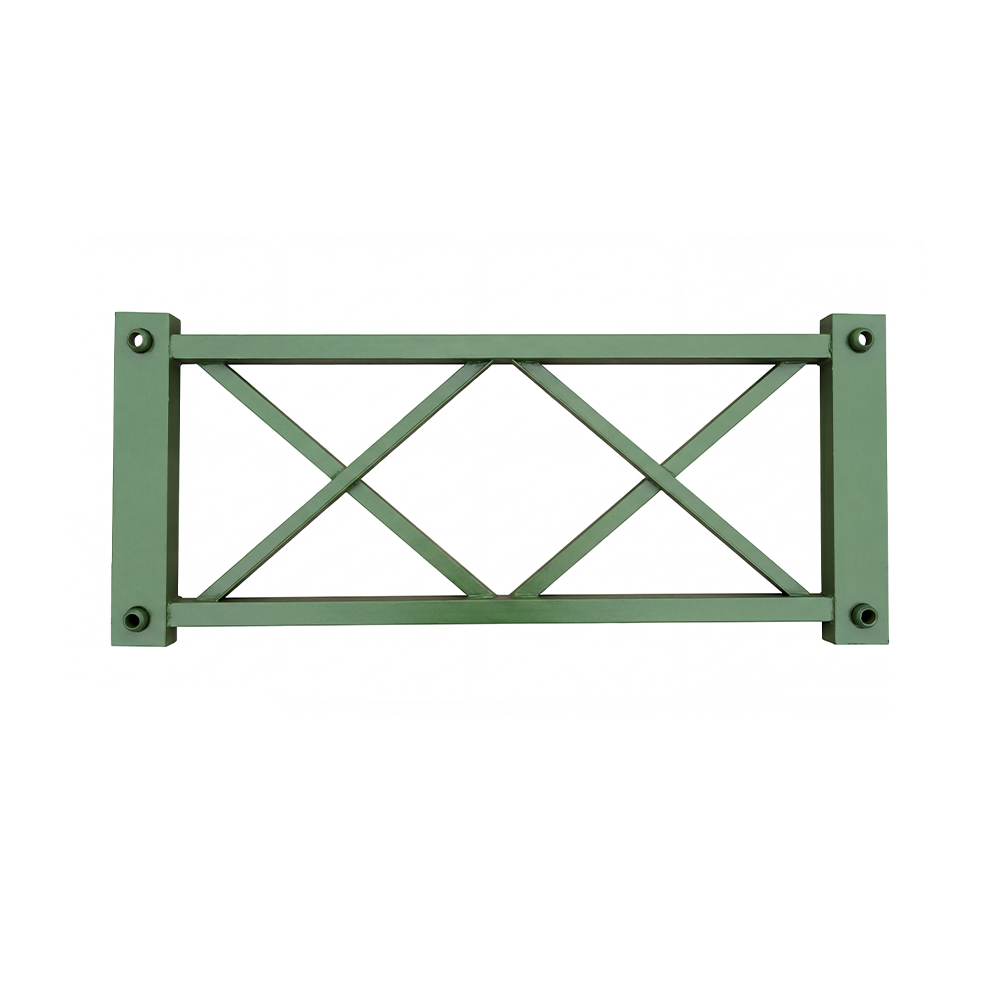
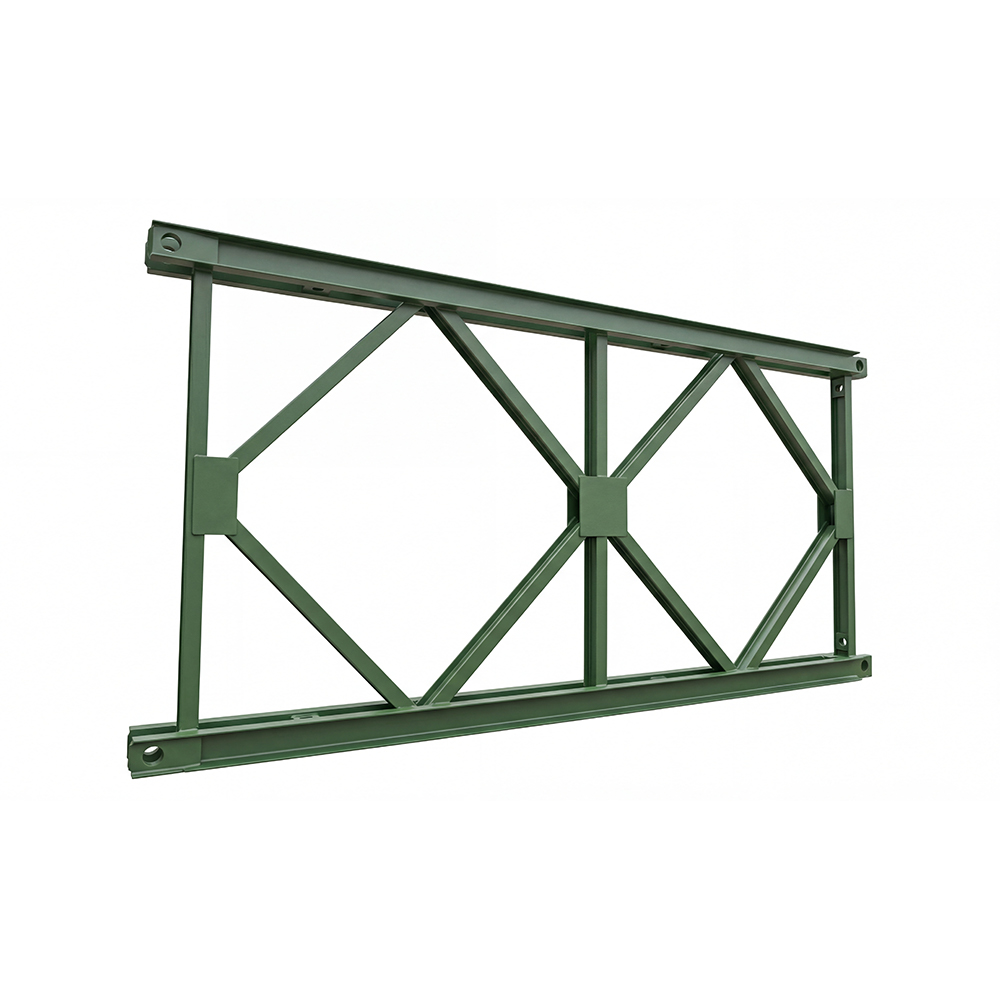
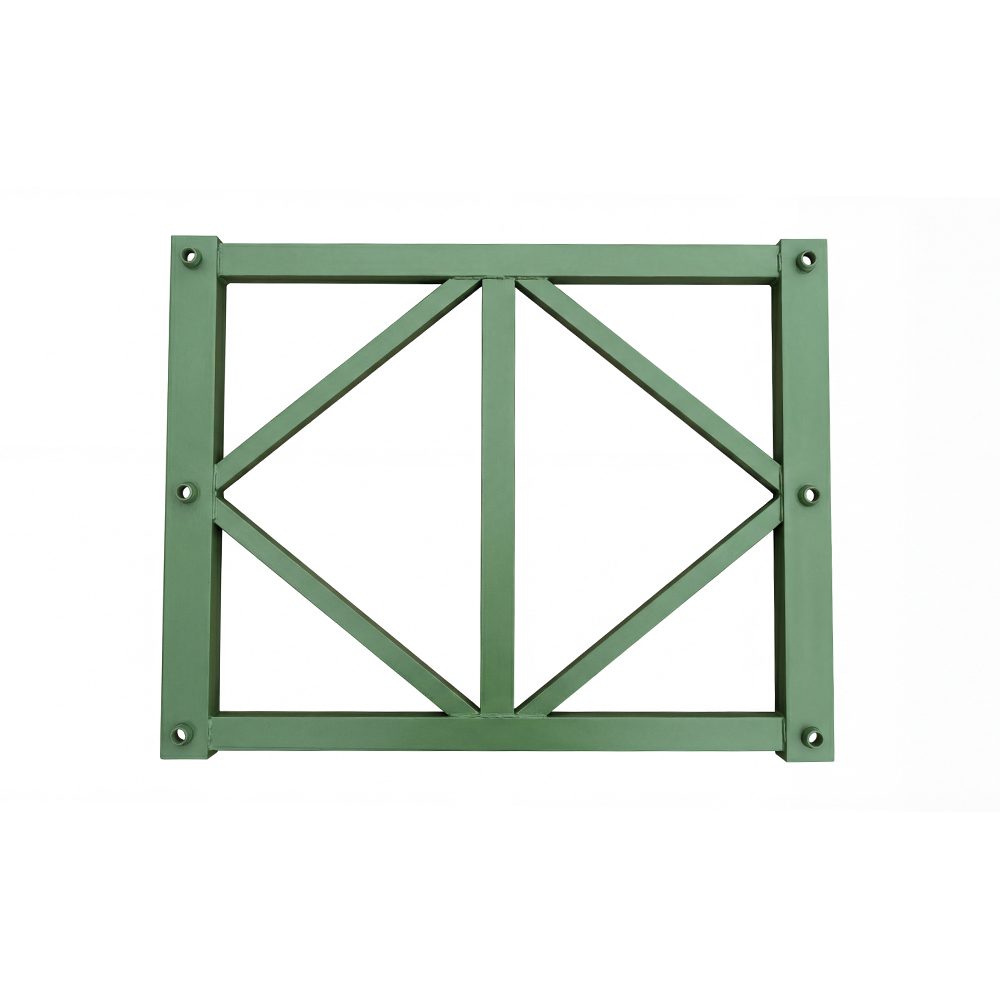
At its core, the system consists of prefabricated steel truss panels, transoms, stringers, and connecting pins that can be assembled on site into a complete bridge structure without welding or specialized fabrication. Panels are typically light enough to be carried and positioned by a small team, then bolted or pinned together in a repeating pattern that builds span length and load capacity as needed. This modularity is the defining feature that makes the system so valuable in emergency contexts, since the same basic components can be reconfigured to address vastly different bridging requirements depending on the specific disaster or infrastructure failure encountered.
Why Bailey Truss Systems Remain Essential for Emergency Recovery
Modern infrastructure recovery faces a persistent challenge: permanent bridge reconstruction can take months or years, yet communities cannot wait that long to restore access to hospitals, supply routes, evacuation corridors, and economic activity. The Type 321 Bailey truss addresses this gap directly by providing a structurally sound, code compliant temporary bridge that can typically be assembled within days rather than months, using a relatively small crew and minimal heavy equipment.
This speed of deployment has proven critical in numerous real world scenarios, from flood damaged river crossings to earthquake collapsed overpasses to conflict damaged supply routes. In each case, the ability to restore a functional crossing quickly often determines whether emergency medical supplies reach affected populations, whether evacuation routes remain viable, and whether local economies can begin recovering rather than remaining isolated for extended periods.
Key insight: The value of a Bailey truss system is measured not only in its structural capacity, but in the time it saves during the earliest and most critical phase of disaster response, when every day of restored connectivity can meaningfully affect recovery outcomes for an entire region.
Core Structural Components
Truss Panels
The primary structural element, these standardized steel panels form the main load bearing frame of the bridge. Panels are connected end to end and stacked in layers depending on the required span length and load rating.
Transoms and Stringers
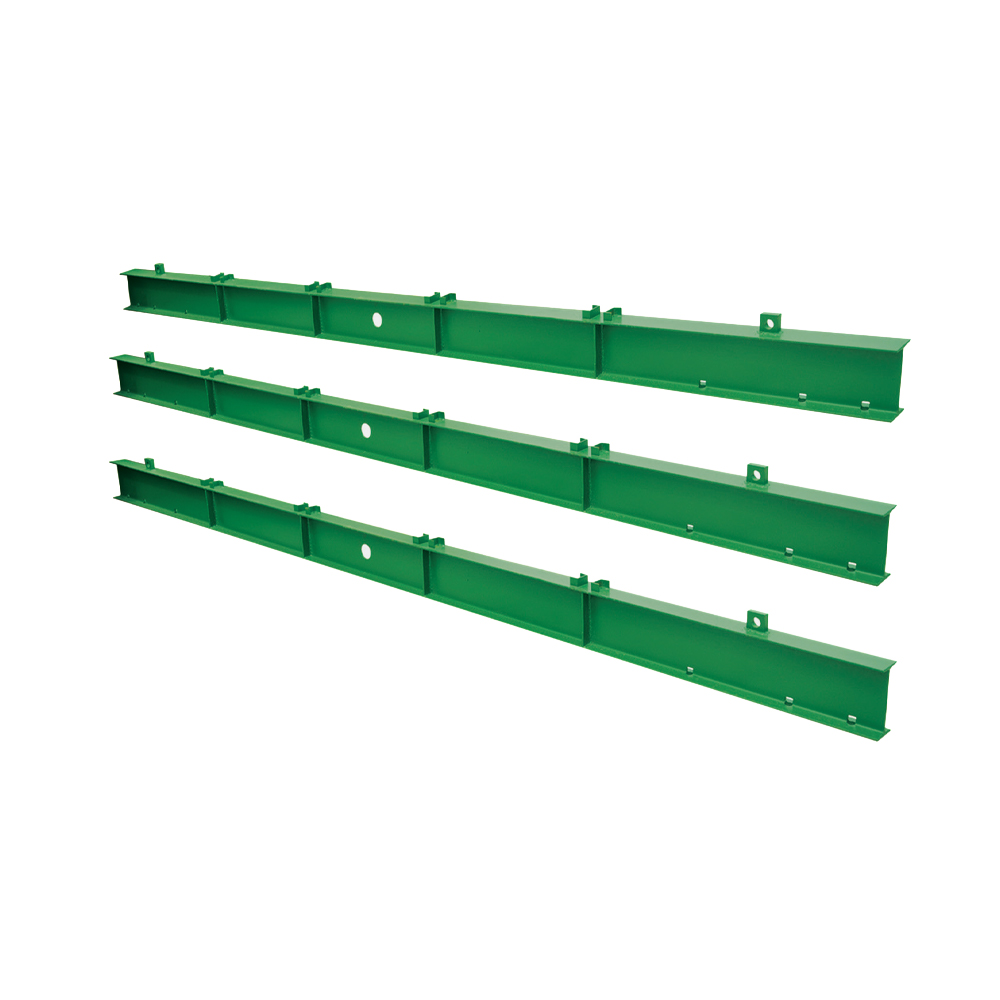
These horizontal components distribute the load from the deck surface across the truss panels, ensuring even weight distribution across the full width and length of the structure.
Connecting Pins
Rather than welding, the system relies on robust pin connections that allow panels to be joined quickly and securely, then disassembled and reused for future deployments if needed.
Decking Panels
Steel or timber decking is installed across the assembled truss framework to create a stable, load bearing surface capable of supporting vehicle traffic, including in some configurations heavy military or emergency response vehicles.
Bearings and Foundations
Temporary bearing pads or foundation blocks distribute the bridge load onto the ground or existing abutments, adapting to a wide range of ground conditions commonly encountered in disaster affected areas.
Configuration Options and Load Classifications
| Configuration |
Typical Span Range |
Best Suited For |
| Single single panel arrangement |
Shorter spans |
Pedestrian access and light vehicle recovery routes |
| Double single panel arrangement |
Moderate spans |
Standard vehicle traffic and supply convoys |
| Triple double panel arrangement |
Extended spans |
Heavy equipment and emergency response vehicle access |
| Reinforced multi tier configuration |
Longer critical infrastructure spans |
Major supply corridors and military grade load requirements |
This flexibility allows emergency planners and engineers to select the exact configuration needed for a specific recovery scenario, balancing assembly speed against load capacity and span length requirements. A rapid pedestrian crossing following a flash flood requires a very different configuration than a heavy vehicle route needed to move construction equipment into a disaster zone.
Deployment Process in Emergency Scenarios
The deployment of a Type 321 Bailey truss typically follows a structured sequence designed to maximize speed while maintaining structural integrity and worker safety throughout the assembly process.
- Site assessment to determine span length, ground conditions, and load requirements for the specific crossing needed.
- Preparation of foundation points or bearing surfaces on both sides of the gap to be bridged.
- Assembly of initial truss panels on the near side of the gap, connected using standard pin joints.
- Progressive launching of the assembled structure across the gap, often using a rolling nose assembly that reduces friction during the launch process.
- Connection of the far end of the structure to the opposite bearing point once the launch is complete.
- Installation of decking panels and safety features such as guardrails to prepare the bridge for traffic.
- Final structural inspection and load testing before opening the crossing to emergency traffic.
Depending on span length, ground conditions, and crew experience, this entire process can often be completed within a matter of days, a timeline that would be virtually impossible using conventional permanent bridge construction methods.
Applications Across Disaster and Recovery Scenarios
Flood and Storm Damage Recovery
Flooding frequently washes out or structurally compromises existing bridges, cutting off entire communities from medical care, food supplies, and evacuation routes. Bailey truss systems allow rapid restoration of these critical crossings while permanent repairs are planned and constructed.
Earthquake Response
Seismic events often damage or collapse existing bridge infrastructure unpredictably across a wide geographic area. The modular nature of the Bailey system allows response teams to address multiple damaged crossings simultaneously using standardized components and training.
Conflict Zone Infrastructure Restoration
In areas affected by armed conflict, existing bridges are sometimes deliberately destroyed to disrupt supply routes. Bailey truss systems have a long history of military use precisely because they can be assembled quickly under challenging field conditions to restore critical logistics corridors.
Landslide and Terrain Failure Recovery
Mountainous or hillside regions prone to landslides often experience sudden road and bridge failures that isolate communities. Lightweight, modular bridging systems allow access to be restored even in difficult terrain where heavy construction equipment cannot easily operate.
Planned Infrastructure Maintenance
Beyond emergency scenarios, some agencies use Bailey truss systems as temporary bypass structures during planned permanent bridge repair or replacement projects, maintaining traffic flow throughout extended construction periods.
The Wellness Dimension of Rapid Infrastructure Recovery
The connection between infrastructure recovery speed and human wellbeing is direct and profound, even if it is not always discussed in engineering literature. When a community loses access to a critical bridge or road following a disaster, the effects extend far beyond simple inconvenience. Isolation from medical facilities, disrupted access to food and clean water, and prolonged uncertainty about when normal life might resume all contribute to significant psychological strain among affected populations.
Research into disaster psychology consistently identifies a sense of restored normalcy and predictability as one of the most important factors supporting community mental health recovery following a traumatic event. A rapidly restored bridge crossing represents a tangible, visible sign that recovery is underway, which can meaningfully shift the emotional experience of an affected community from prolonged crisis toward active rebuilding.
Reduced Isolation and Anxiety for Affected Communities
Communities cut off from essential services often experience heightened anxiety related to uncertainty about medical emergencies, food security, and safety. Restoring a functional crossing quickly reduces this isolation, alleviating a significant source of chronic stress during an already difficult period.
Faster Access to Medical Care
Perhaps the most direct wellness benefit of rapid bridge restoration is improved access to medical facilities for injured or ill community members. Delays in emergency medical access following a disaster can have serious health consequences, making the speed of infrastructure recovery a genuine factor in physical health outcomes, not merely a logistical concern.
Supporting the Mental Health of Emergency Responders
Emergency response teams themselves experience considerable psychological strain during disaster deployments, often working long hours under difficult and unpredictable conditions. Reliable, well engineered equipment such as the Bailey truss system reduces the operational uncertainty responders face, allowing them to complete critical infrastructure tasks with greater confidence and reduced on site stress, which supports their own resilience during demanding deployments.
Restoring a Sense of Control
Disasters often strip affected populations of a sense of control over their environment and circumstances. The visible, tangible progress represented by a newly assembled bridge crossing can meaningfully restore a sense of agency and forward movement, which is recognized as an important component of psychological recovery following traumatic community events.
Economic Stability and Long Term Wellbeing
Restored transportation access allows local businesses, agricultural operations, and supply chains to resume functioning, supporting economic stability that directly affects long term community wellbeing. Prolonged economic disruption following a disaster is strongly associated with increased rates of stress related health conditions within affected populations, making rapid infrastructure recovery a meaningful contributor to long term public health outcomes.
Infrastructure recovery is often measured purely in engineering terms, such as load capacity and span length, yet its true impact is measured in restored access to medical care, reduced community isolation, and the psychological relief that comes from visible, tangible progress toward normalcy after a disaster.
Maintenance and Long Term Considerations
While Bailey truss systems are designed primarily as temporary or semi permanent solutions, proper maintenance during their deployment period remains important for both safety and longevity, particularly in situations where permanent reconstruction may be delayed for extended periods.
- Conduct regular structural inspections to check for corrosion, loose connections, or pin wear, particularly in coastal or humid environments.
- Monitor foundation and bearing points for settlement or erosion, especially following additional rainfall or flooding events after initial deployment.
- Verify load ratings periodically to ensure the structure continues to meet the actual traffic demands placed upon it, which may change as recovery efforts intensify.
- Maintain clear documentation of the specific configuration and load classification for future disassembly, relocation, or replacement planning.
- Plan for eventual permanent infrastructure replacement, using the temporary Bailey truss deployment period to properly design and fund long term reconstruction.
Practical tip: Many disaster response agencies maintain pre positioned Bailey truss component inventories specifically to reduce deployment time when emergencies occur, since assembly speed depends heavily on how quickly components can be transported to the affected site.
Common Challenges in Deployment
Difficult Terrain and Access
Disaster affected areas often have compromised road access, making it challenging to transport truss components to the deployment site. Planning realistic transport logistics is essential for maintaining the speed advantage this system typically offers.
Ground Condition Variability
Unstable or saturated ground following flooding or seismic events can complicate foundation preparation. Proper site assessment and appropriate bearing solutions are critical to ensuring long term structural stability.
Crew Training and Experience
While the system is designed for relatively straightforward assembly, crews without prior training may experience significant delays or safety risks. Maintaining trained response teams familiar with the system meaningfully improves deployment speed during actual emergencies.
Underestimating Load Requirements
Selecting an insufficient configuration for the actual traffic demands, particularly heavy emergency vehicles or construction equipment, can compromise both safety and long term structural performance.
Choosing the Right Configuration for Your Recovery Needs
Selecting the appropriate Type 321 Bailey truss configuration requires careful consideration of the specific emergency infrastructure recovery scenario. Consider the following questions during planning:
- What is the actual span length required to bridge the damaged or destroyed crossing
- What types of vehicles, including emergency response and construction equipment, will need to use the crossing
- What are the ground and foundation conditions at both ends of the intended crossing site
- How quickly does the crossing need to be operational given the specific humanitarian or logistical urgency involved
- What resources, including trained personnel and transport capacity, are available for the assembly process
Careful consideration of these factors ensures that the deployed structure meets both the immediate emergency need and the practical realities of the specific disaster or infrastructure failure scenario at hand.
Frequently Asked Questions
How long does it typically take to assemble a Type 321 Bailey truss
Assembly time varies based on span length, ground conditions, and crew experience, though many standard configurations can be completed within a matter of days using a trained team.
Can these bridges support heavy vehicles and construction equipment
Yes, depending on the specific configuration selected, reinforced multi tier arrangements can support significant load requirements, including heavy emergency response and construction vehicles.
Are Bailey truss bridges meant to be permanent structures
Generally no, they are designed as temporary or semi permanent solutions to restore access quickly while permanent infrastructure reconstruction is planned and completed.
Can components be reused after a deployment is no longer needed
Yes, one of the key advantages of the modular pin connected design is that components can be disassembled and transported for reuse in future deployments, supporting cost effective long term emergency preparedness.
Final Thoughts
The modular Type 321 Bailey truss remains one of the most valuable tools available for emergency infrastructure recovery, offering a rare combination of structural reliability, rapid deployment, and adaptable configuration options suited to a wide range of disaster scenarios. Yet its true significance extends beyond engineering specifications and load ratings. Every bridge restored quickly through this system represents reduced community isolation, faster access to medical care, renewed economic activity, and a meaningful psychological signal that recovery is genuinely underway. As disaster response agencies and infrastructure planners continue refining their emergency preparedness strategies, the dependable, time tested design of the Bailey truss system will remain a critical bridge, quite literally, between crisis and recovery, supporting not only the physical reconnection of communities but the broader wellbeing that comes from restored access, stability, and hope.


 Français
 Español
 عربى
عربى