What A Steel Bailey Bridge Is And Why It Was Developed
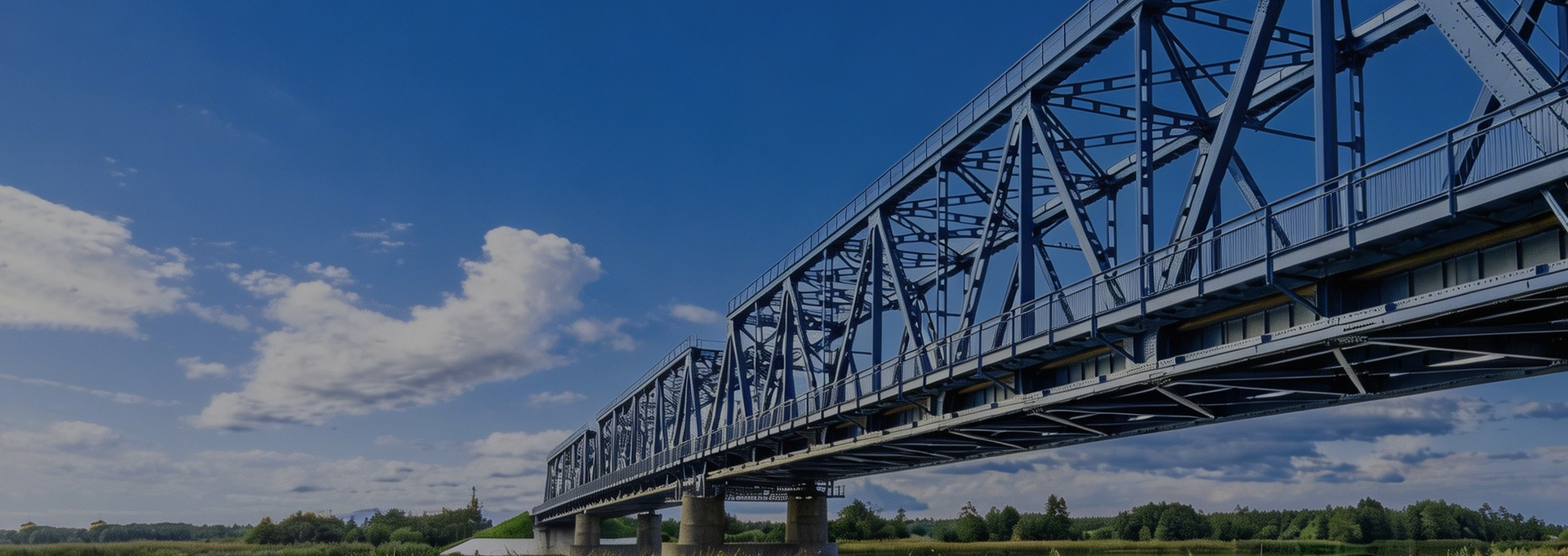
A steel Bailey bridge is a prefabricated modular bridge system built from standardized panel sections that bolt and pin together without the need for heavy site welding or specialized formwork. The design originated to solve a specific problem, allowing a load-bearing crossing to be assembled quickly at a site where a permanent structure had failed, been damaged, or did not yet exist. Because every panel follows the same dimensions and connection pattern, sections manufactured separately can be combined on site into a single continuous truss, which is a departure from bridge designs that require custom-fitted components for each span.
Panel Design And Truss Configuration
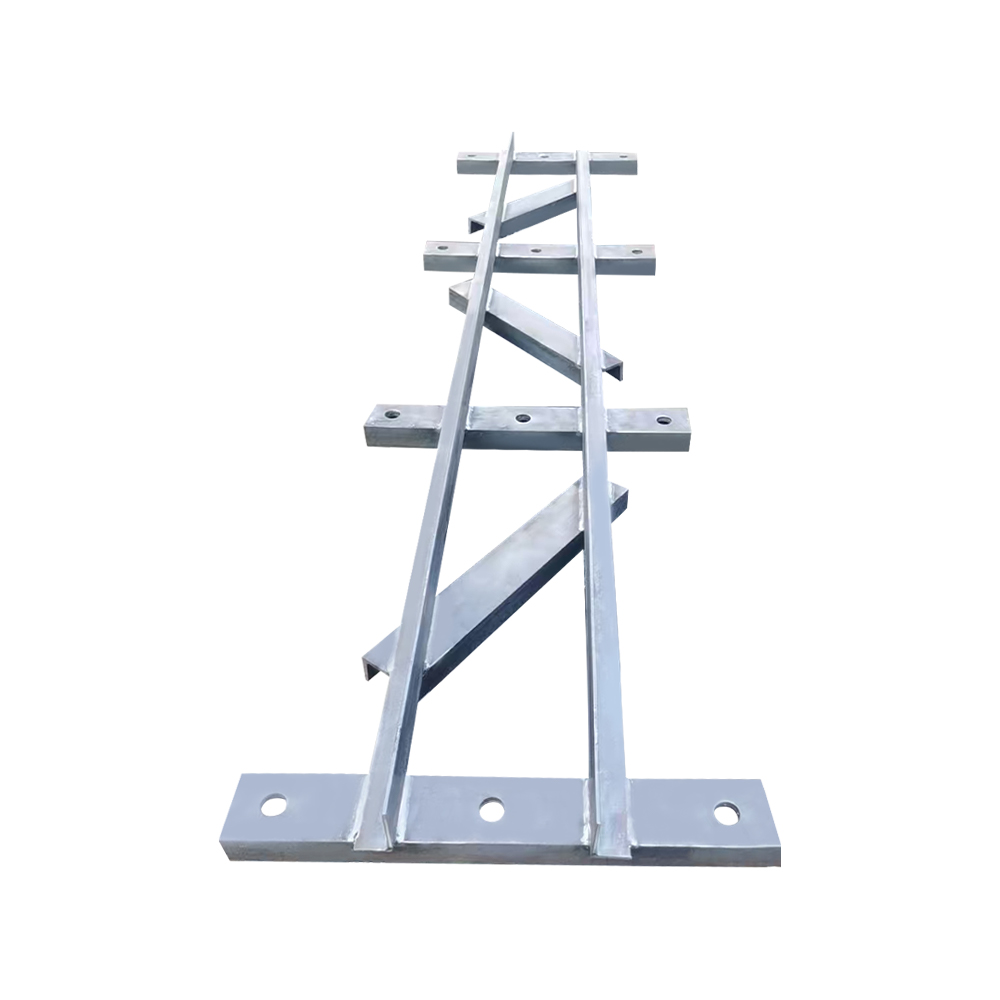
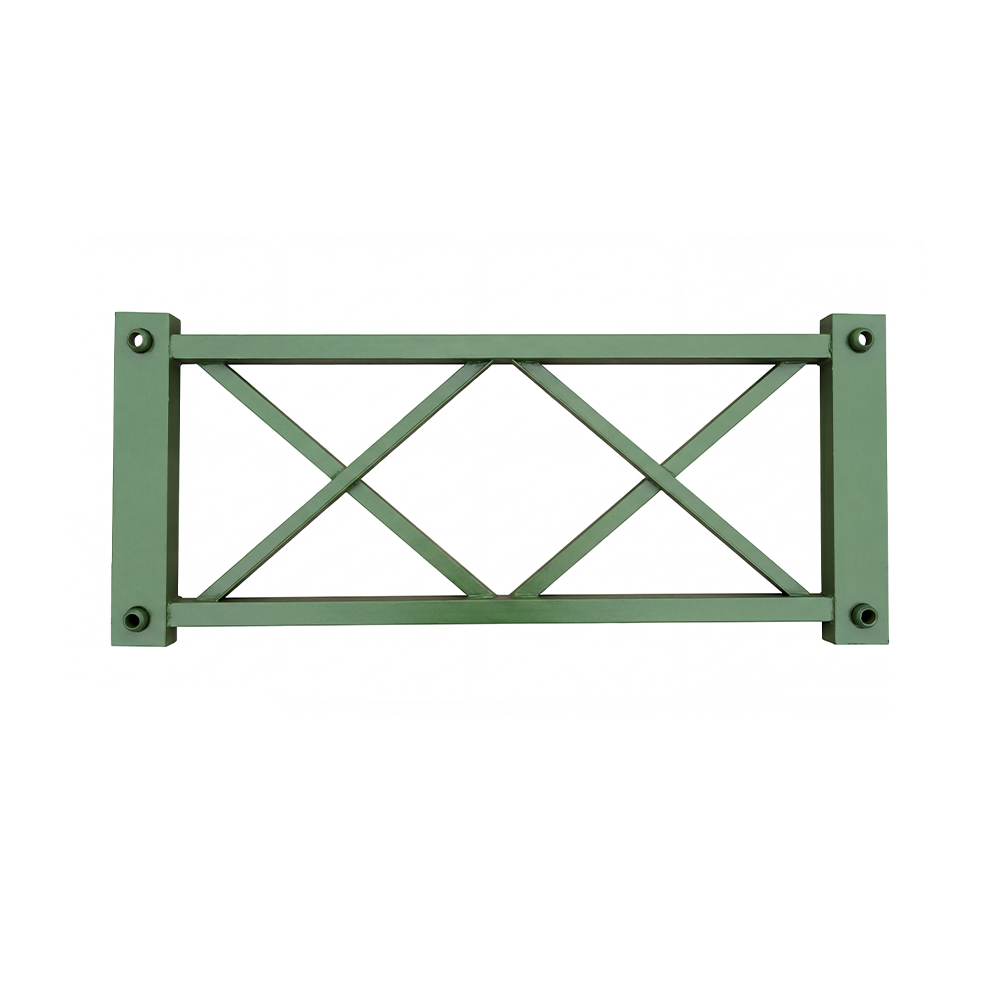
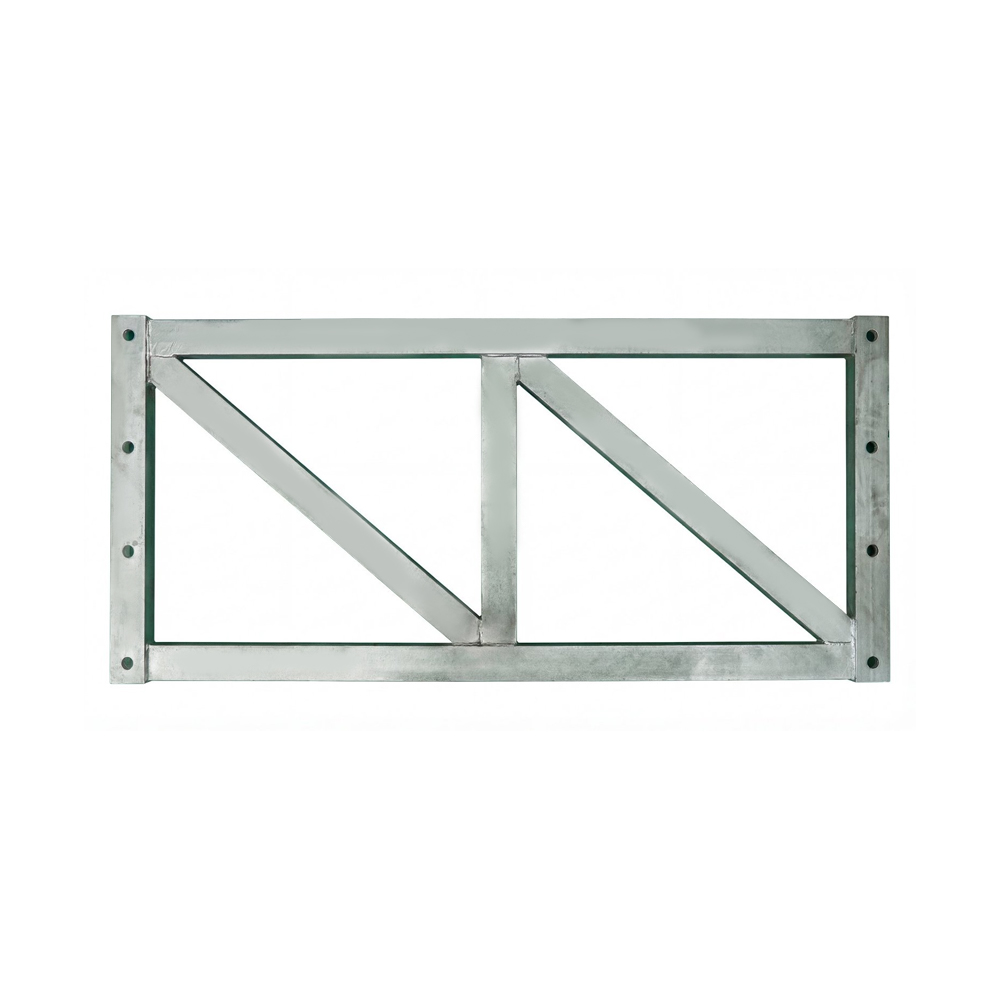
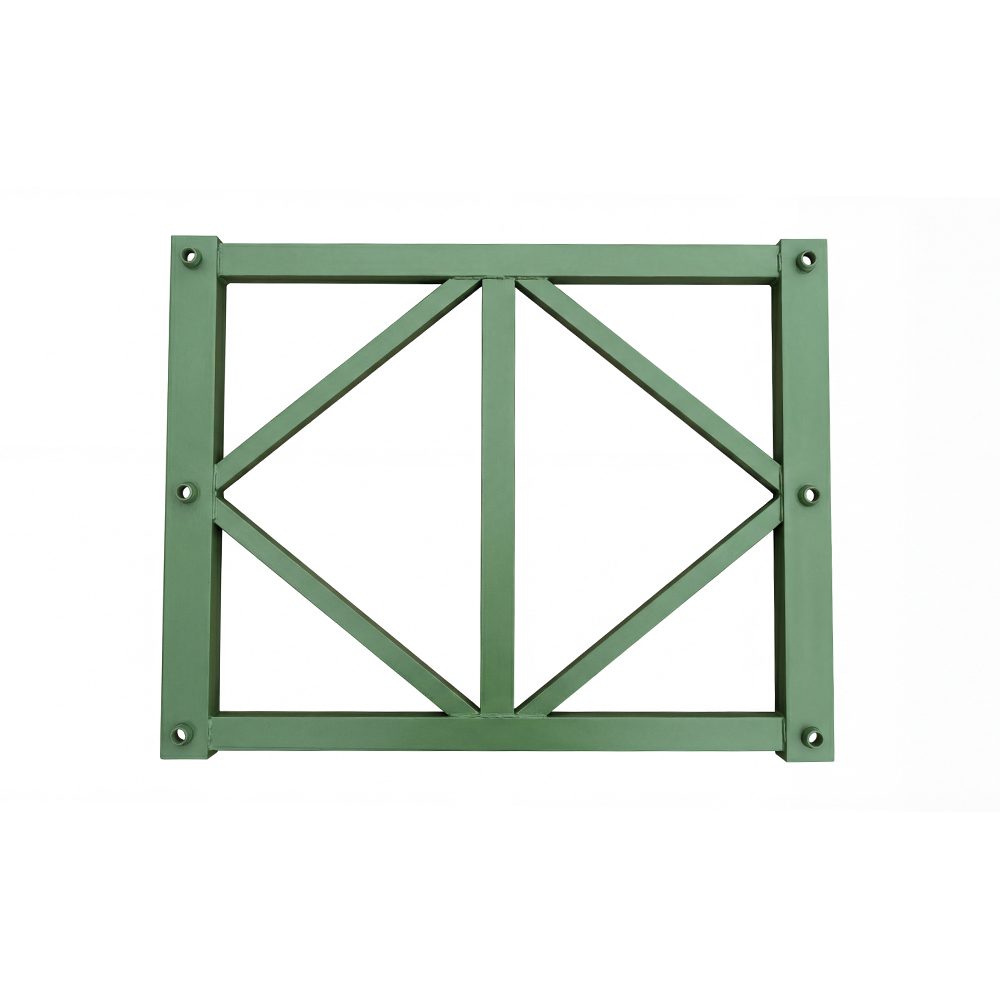
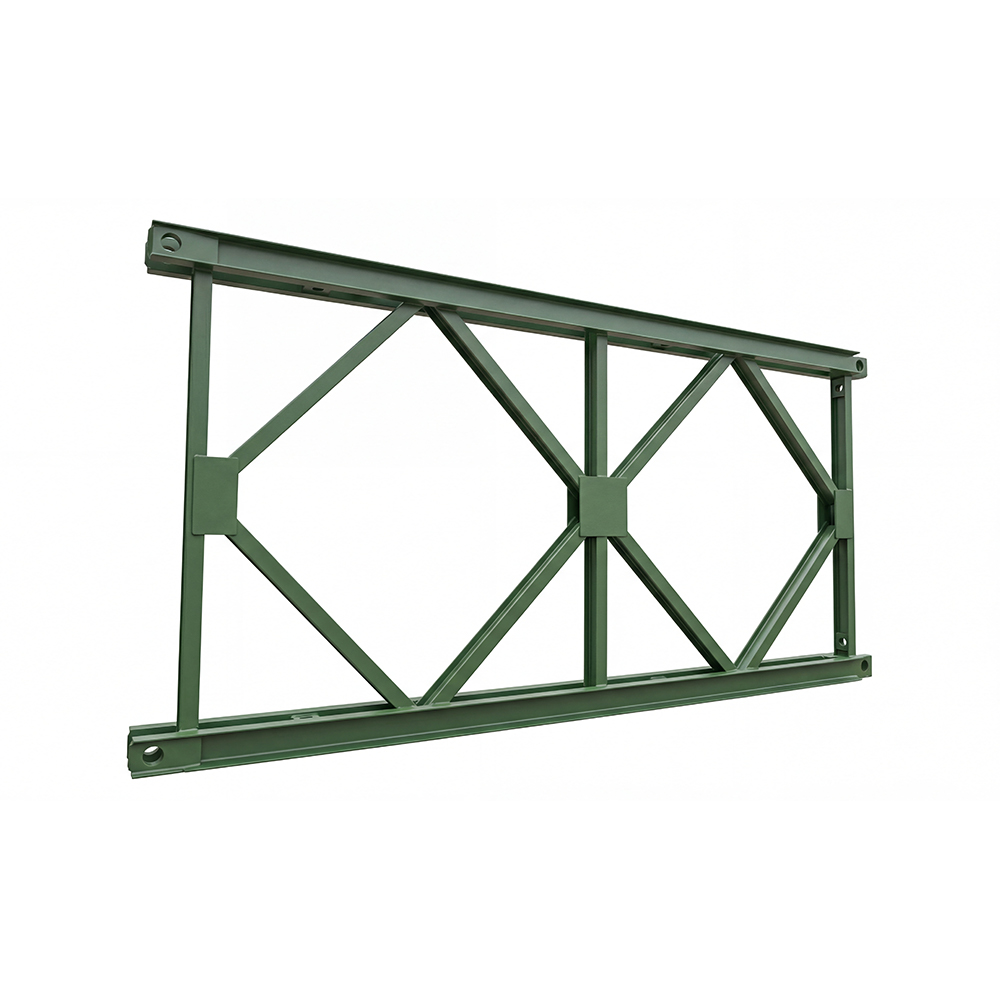
Each panel forms a rectangular steel truss frame connected to adjacent panels through pin joints at the top and bottom chords, allowing sections to be assembled side by side and stacked vertically depending on the load and span requirements. Single, double, or triple panel configurations are selected based on how much weight the bridge needs to carry, with additional panel layers increasing both the load capacity and the overall steel tonnage of the structure. Transoms span between the trusses to support the deck, while stringers distribute vehicle or pedestrian load evenly across the transoms rather than concentrating stress at a single point.
Pin connections between panels are engineered to transfer load through shear rather than relying on friction or welded joints, which allows the structure to be disassembled and reused at a different location once it is no longer needed at its original site. This reusability is a distinguishing characteristic compared to cast-in-place or permanently welded bridge structures.
Core Steel Bailey Bridge Features
- Standardized panel sections for rapid on-site assembly
- Pin-jointed connections allowing disassembly and reuse
- Single, double, or triple panel configurations for varying loads
- Transom and stringer deck support for even load distribution
- Compatibility with launching nose and cantilever assembly methods
Materials And Manufacturing Standards
Panels are typically fabricated from low-alloy structural steel selected for a favorable strength-to-weight ratio, since each panel needs to be light enough for a small crew to maneuver by hand while still carrying substantial load once assembled into a complete truss. A protective coating, commonly hot-dip galvanizing or a painted corrosion-resistant finish, is applied to steel surfaces to extend service life in outdoor conditions where the structure may be exposed to moisture, road salt, or fluctuating temperatures over years of use.
Pin and bolt hardware is manufactured to tight dimensional tolerances, since interchangeability between panels depends on consistent hole spacing and connection geometry across every production batch. Deviation in these tolerances would prevent panels from different manufacturing runs from fitting together correctly during field assembly.
Load Ratings And Span Specifications
Typical specification ranges referenced when planning a steel Bailey bridge installation
| Specification |
Typical Range |
Relevance |
| Span Length |
10 to 90 meters |
Determined by panel count and configuration |
| Panel Weight |
250 to 300 kg |
Affects manual handling during assembly |
| Deck Width |
3 to 4.2 meters |
Guides single or double lane traffic capacity |
Assembly Methods And Launching Techniques
Cantilever launching is a common assembly method, where panels are connected and pushed progressively across the gap from one bank while a temporary launching nose supports the leading edge until the structure reaches the opposite side. This approach avoids the need for support piers within the gap itself, which is particularly useful when crossing a river, ravine, or damaged roadway where placing intermediate supports would be difficult or unsafe.
Crane-assisted assembly is used where access allows heavy lifting equipment to position pre-connected panel sections directly into place, generally reducing assembly time compared to manual cantilever launching when a suitable crane can reach the site. Site conditions, including bank stability, access road width, and gap depth, typically determine which assembly method is more practical for a given crossing.
Common Applications In Infrastructure Projects
Emergency response agencies use steel Bailey bridges to restore road access after a natural disaster damages or destroys a permanent crossing, since the modular panels can be transported by truck and assembled without waiting for a conventional construction timeline. Military engineering units apply the same system for temporary crossings in field operations, where rapid deployment and the ability to relocate the structure afterward are both practical requirements.
Construction projects also use Bailey bridges as temporary detour routes while a permanent bridge is being repaired or rebuilt, allowing traffic to continue flowing through a work zone rather than requiring a long detour around the area. Rural infrastructure programs in regions with limited access to heavy construction equipment sometimes adopt Bailey bridge systems as a longer-term crossing solution, since the assembly process requires less specialized machinery than a cast-in-place concrete structure.
Inspection And Maintenance Practices
Pin connections require periodic inspection for wear, since repeated load cycling can gradually enlarge the pin holes in a panel over years of service, which affects how tightly adjacent panels fit together. Corrosion at the protective coating is another routine check point, particularly at panel joints and lower chord members where moisture tends to collect after rainfall.
Deck surface condition also factors into maintenance schedules, since the transoms and stringers beneath the running surface bear direct traffic load and can show fatigue signs before damage becomes visible from the road surface alone. Structures intended for long-term use typically follow a scheduled inspection interval rather than relying only on visual checks during routine traffic use.
Factors To Consider When Planning A Bailey Bridge Installation
Matching panel configuration to the expected traffic load affects both the safety margin and the total steel required for a given span, since underestimating load requirements during planning can limit the bridge to lighter vehicles than a project actually needs. Site access for transporting and assembling panels also shapes the planning process, particularly for remote locations where truck access to the crossing point may be limited.
Anticipated service duration influences whether a project should plan for eventual disassembly and reuse of the panels elsewhere, or whether a longer-term corrosion protection strategy is worth the added upfront cost. Coordinating the chosen assembly method with local site conditions, including bank stability and available lifting equipment, helps avoid delays once panel delivery and assembly begin.


 Français
 Español
 عربى
عربى