A Bailey Bridge Typically Takes a Few Hours to Several Days to Build
The time needed to build a Bailey bridge depends heavily on span length, load rating, and crew size, but as a general benchmark, a short single-lane span of around 10 to 20 meters can be assembled by an experienced crew of 8 to 10 people in roughly 4 to 8 hours, since the panels bolt together without cranes or heavy welding equipment. Longer spans reaching 40 to 60 meters, or double-double truss configurations built for heavier vehicle loads, generally take 2 to 4 days, factoring in launching the structure across the gap and reinforcing the support towers.
The single biggest variable is not the bridge itself but site preparation. Grading the approach roads, pouring or placing abutment foundations, and positioning the launching rollers often take longer than the truss assembly, especially on uneven terrain or when working over water.
Why Panel Bridge Construction Is Faster Than Conventional Bridging
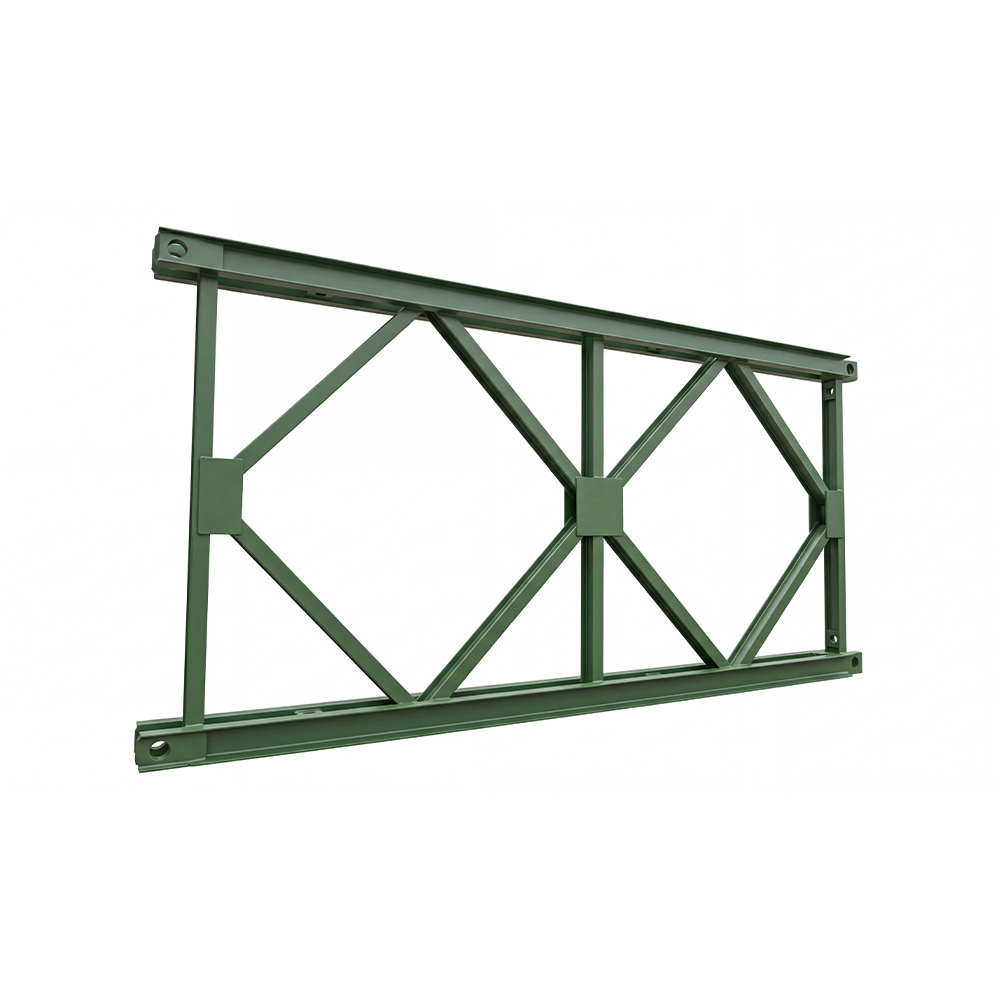
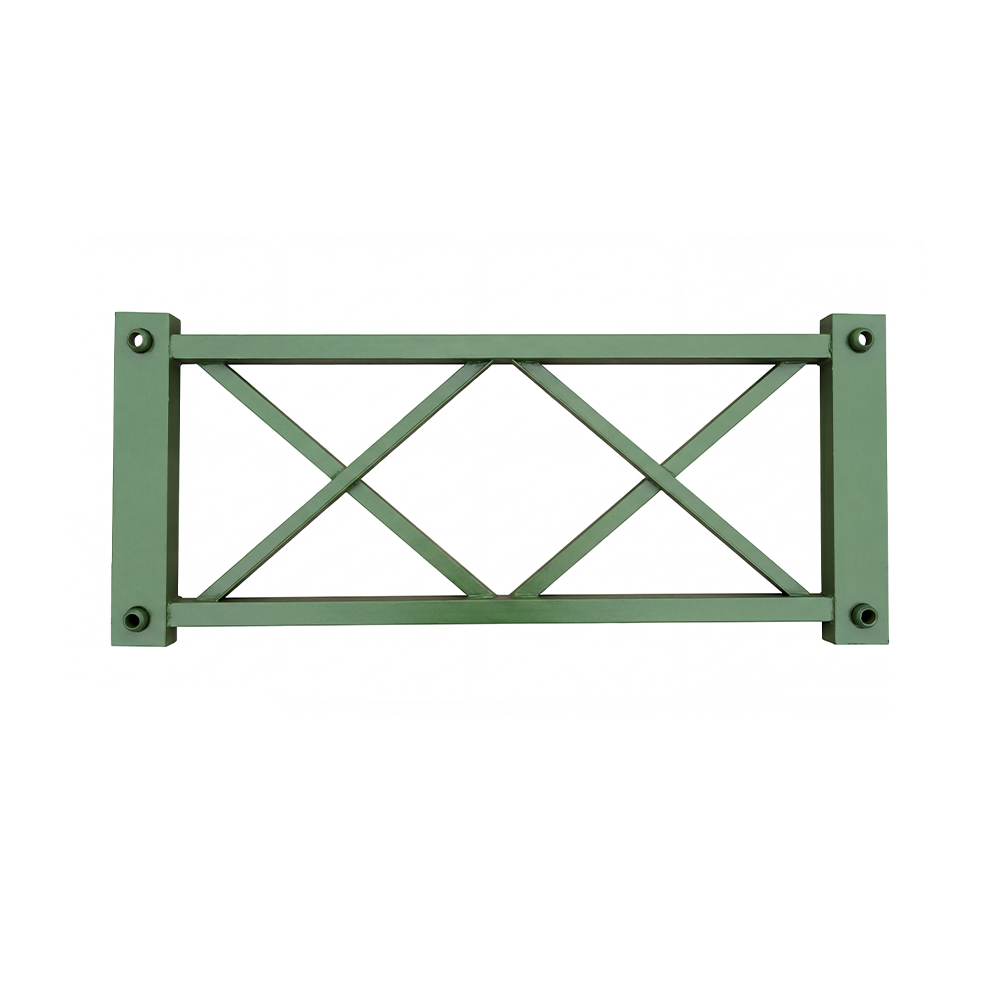
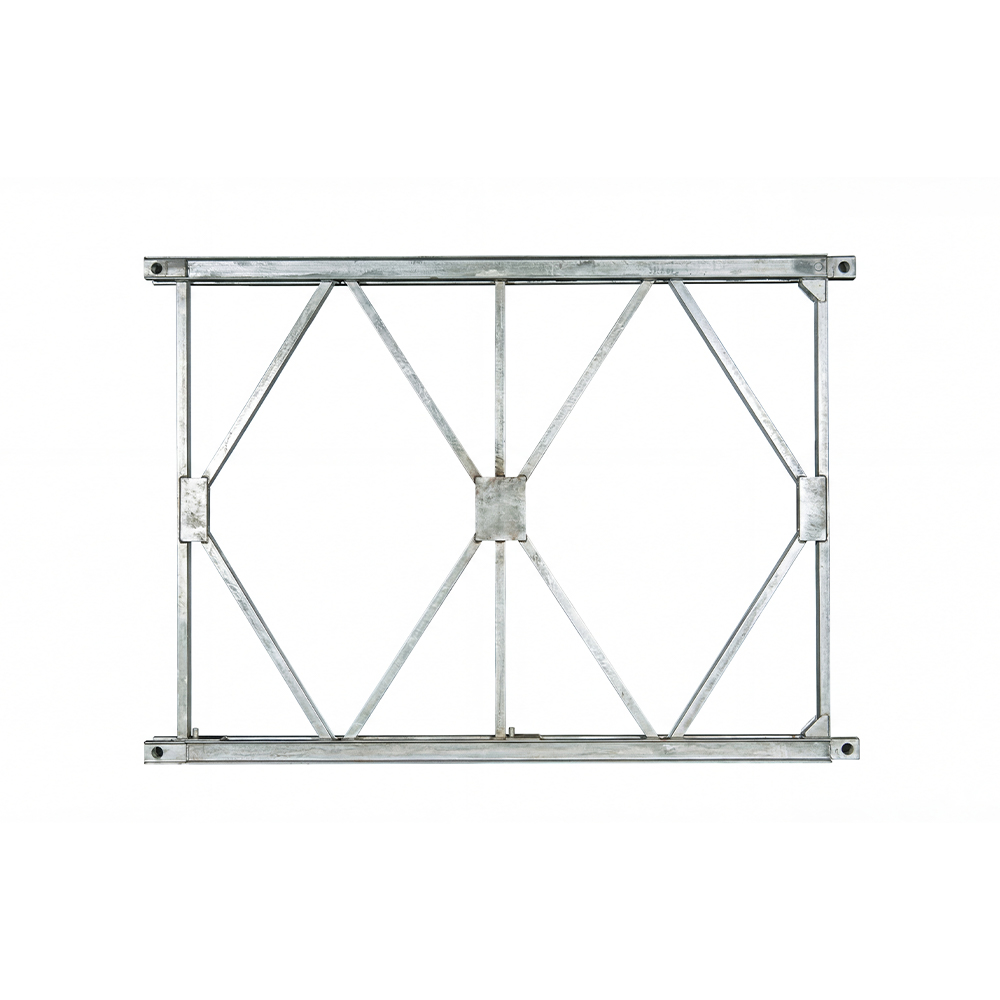
The core reason a panel bridge assembles so quickly comes down to the design of its components. The main truss sections are fully welded, high-strength steel panels connected by single pins or bolts rather than requiring on-site welding or heavy machining. Each panel is light enough for two to four workers to lift and position by hand, which removes the need for large cranes during the panel-connection stage and lets multiple crew teams work in parallel on different sections of the truss.
Because components are interchangeable and can be reused across multiple projects, crews building their second or third bridge with the same panel inventory typically move faster than a first-time crew, since less time is spent sorting parts or interpreting assembly sequences.
Key Factors That Extend or Shorten Build Time
Several variables consistently affect how quickly a panel bridge comes together on site, and understanding them helps set realistic project timelines.
Factors influencing Bailey-type bridge assembly time
| Factor |
Effect on Timeline |
| Span length |
Longer spans need more panel layers and launching time |
| Truss configuration |
Single-single builds faster than double-double or triple-triple |
| Crew experience |
Trained crews assemble panels significantly faster than first-time teams |
| Site access and terrain |
Uneven ground or water crossings extend foundation work |
| Launching method |
Nose-and-rollers launching adds hours but avoids crane dependency |
How Span and Load Rating Change the Truss Configuration
The combination of a bridge's main beams can be adjusted according to the span and load capacity required, which directly affects assembly time. A single-single configuration, using one row of panels per side and one layer of height, suits shorter spans and lighter vehicles, while a double-double or triple-triple configuration stacks panels both side by side and vertically to handle longer spans or heavier military and construction vehicle loads.
Each added layer of panel height roughly increases the connection points that need pinning, which is why a triple-triple truss for a 60-meter span can take two to three times longer to assemble than a single-single truss covering a 20-meter gap, even with the same crew size.
Typical Build Stages From Site Prep to Deck Completion
Most panel bridge projects follow a similar sequence of stages, though the time spent on each varies with site conditions.
- Site survey and foundation preparation, including grading approach roads and placing abutment bearings.
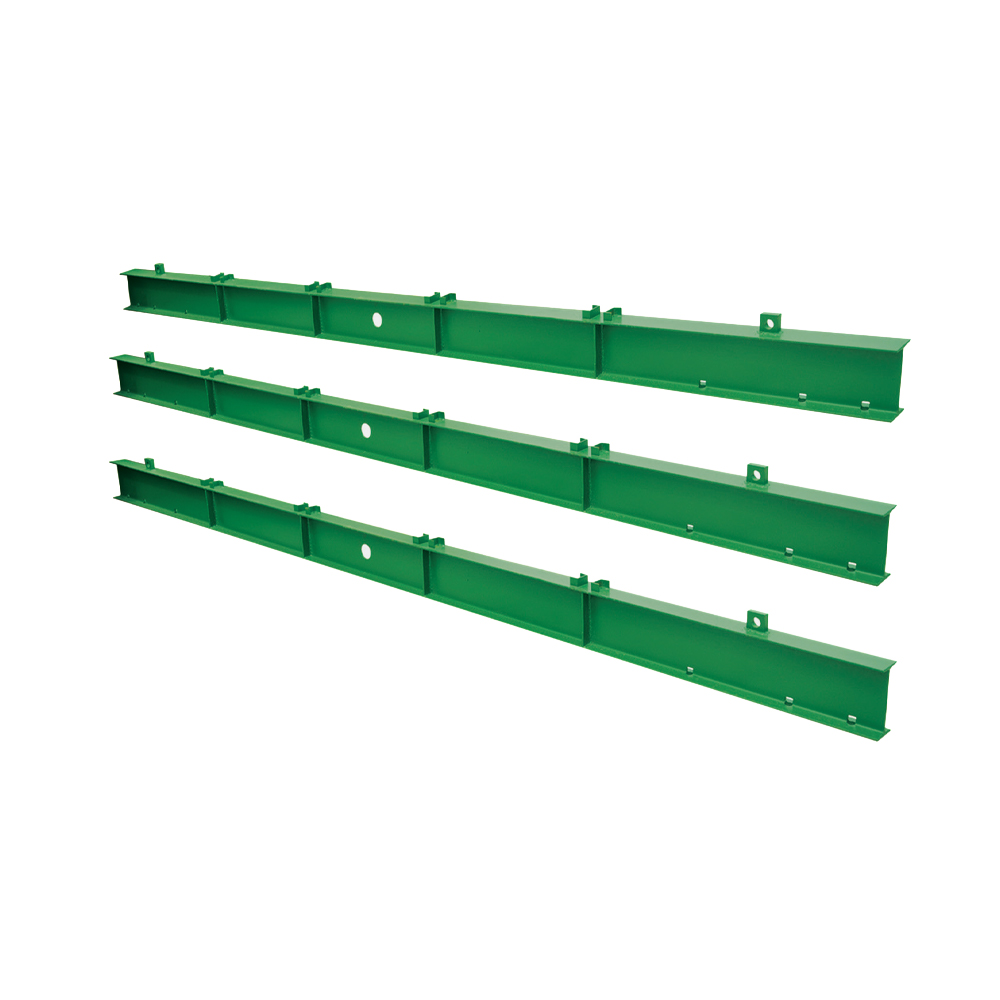
- Panel and component staging, sorting truss panels, transoms, and stringers near the assembly area.
- Truss assembly on rollers, pinning panels together into the full-length structure on one bank.
- Launching the truss across the gap using a counterweighted nose section and roller beams.
- Decking installation and final bearing adjustment before the bridge is opened to traffic.
Typical Time Allocation by Stage
Site preparation and foundations: 1 to 2 days on average sites
Truss panel assembly: 4 to 12 hours depending on span and configuration
Launching across the gap: 2 to 6 hours depending on span length
Decking and final adjustments: 2 to 4 hours before opening
Why Reusable, Interchangeable Components Matter for Fast Deployment
Because the truss panels, pins, and transoms are standardized and interchangeable, damaged or worn components can be swapped out on site without redesigning the structure, which keeps rebuild or repair projects moving quickly. This interchangeability is part of why panel bridges remain a preferred option for emergency river crossings after flood damage or for temporary detours during permanent bridge construction, where the structure may need to be assembled, used for months, then disassembled and relocated to another site.
The lightweight, detachable nature of the truss sections also means transportation logistics rarely become the bottleneck, since standard flatbed trucks can carry disassembled panels to remote sites where access roads might not support delivery of large precast beams or heavy crane equipment.


 Français
 Español
 عربى
عربى