What a Steel Bailey Bridge Is and How It Works
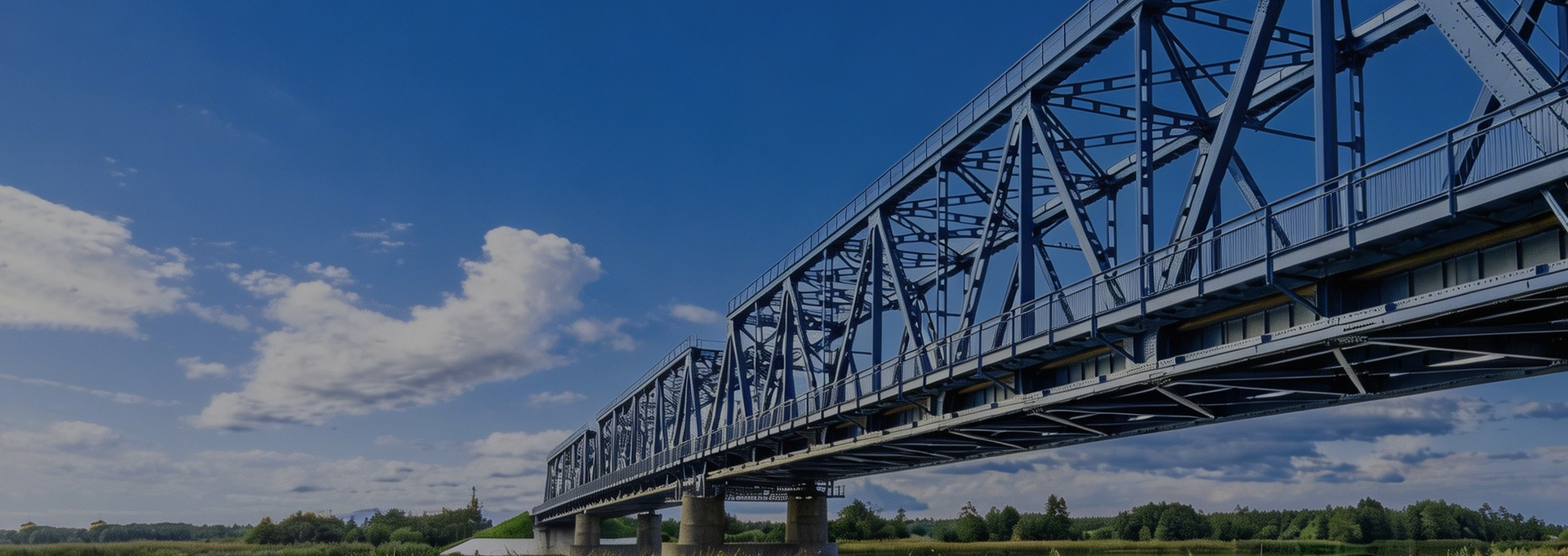
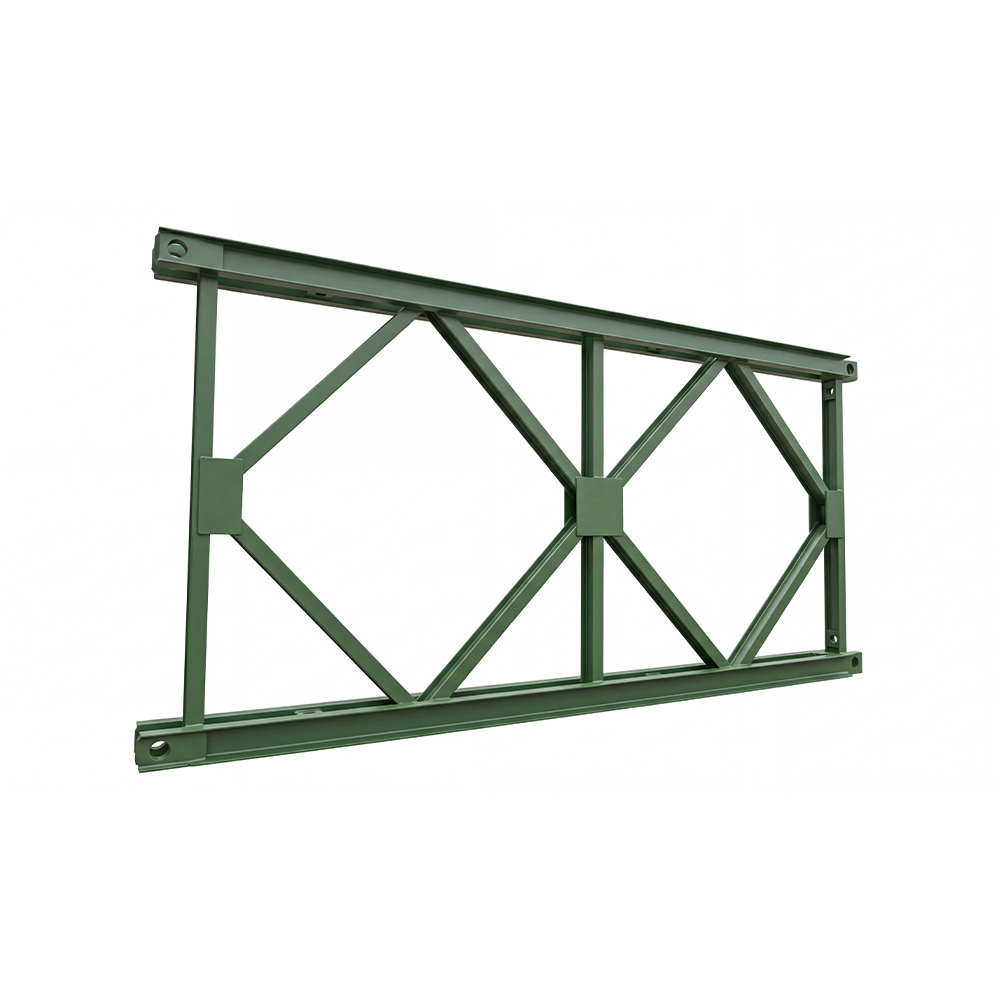
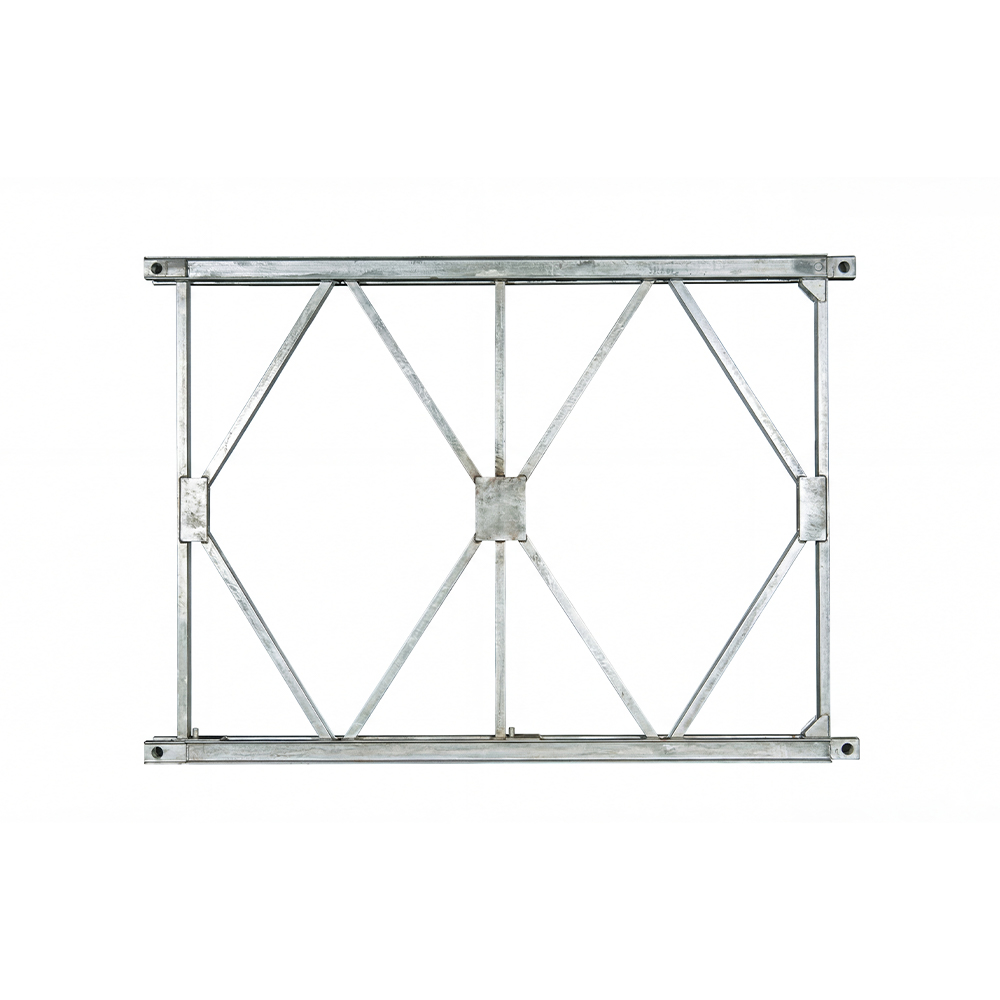
A steel Bailey bridge is a modular truss structure made from interchangeable prefabricated panels that can be bolted or pinned together on site without heavy cranes or specialized welding equipment. The core advantage of this design is that a functional span can be assembled from standardized steel components in a matter of hours or days rather than the weeks required for a conventional fixed bridge, which is why the structure has remained in use for emergency repair, military logistics, and temporary construction support since it was originally developed. Each panel is a lightweight lattice truss unit that connects to adjacent panels through single pins, allowing the overall span to be extended simply by adding more sections end to end or stacking them to increase load capacity.
Structural Design and Assembly Principles
The main beams of a steel Bailey bridge are built from detachable truss panels arranged either in a flat single layer or stacked into three-dimensional configurations depending on how much weight the span needs to carry. Workers connect panels along their upper and lower chords using steel pins, which lets the truss be assembled progressively by hand or with light lifting equipment, then launched across a gap using rollers or a temporary nose section. Because every panel shares the same connection points, sections that have been used on one project can be disassembled and reused on another, and damaged panels can be swapped out individually rather than requiring the whole structure to be rebuilt. This interchangeability also means the same inventory of components can be reconfigured into different span lengths and load ratings simply by adjusting how many panels are stacked in height or placed side by side across the width of the deck.
From Wartime Origins to Standardized Production
The truss system now commonly called the Bailey bridge was designed by British engineer Donald Bailey and adopted by Allied forces around 1938, seeing widespread use across Europe and the Far East during the Second World War before being refined further in the decades that followed. Other nations developed parallel systems around the same period; the former Soviet Union produced an upper-supported triangular truss bridge known as the PMM, while Japan fielded a similar three-dimensional truss system referred to as the Type 99, which was used mainly for railway bridge repair and can still occasionally be found in service as construction equipment today. In China, a domestically standardized version entered production during the 1960s under the designation "321" highway steel bridge, manufactured at three designated factories with combined annual output in the range of 1,500 to 2,000 tons, stockpiled at locations throughout the country for rapid deployment. The metric-based "321" system shares a similar lattice truss concept with the imperial-unit Bailey design, though the two use different dimensions and their components are not interchangeable, a distinction that gets blurred in everyday site terminology where workers often refer to either system informally by the same name.
Field Performance During Emergency Deployment
The practical value of this modular approach showed clearly during disaster response efforts such as the Tangshan earthquake recovery, where rapid bridge replacement was essential to restoring transportation access. A further example comes from 1992, when engineering troops deployed domestically produced steel bridge components along Highway 6 during peacekeeping operations in Cambodia, completing repairs at a pace of roughly one bridge every two days and finishing six highway bridge crossings across a 217-kilometer stretch of road within fifteen days, an outcome that drew recognition from the coordinating peacekeeping authorities at the time.
Material Composition and Fabrication Process
Panels and connecting hardware are manufactured from high-strength structural steel, generally fully welded at the joints to maintain consistent load transfer through the truss chords and diagonal members. Keeping individual panel weight manageable is a deliberate part of the design, since it allows components to be carried and positioned by small crews using manual labor or light equipment rather than requiring heavy cranes, which matters considerably in remote or disaster-affected areas where large machinery may not be able to reach the site. Pins, bolts, and connecting plates are typically machined to close tolerances so that panels manufactured in different production batches still fit together reliably, a requirement that supports the long service life and repeated reuse these systems are known for.
The HD200 Type and Progress Toward Larger Spans
More recent development of Bailey-type components has focused on increasing bending and shear resistance so that the same modular concept can support longer spans and heavier loads than earlier generations. The HD200 type reflects this progression, offering improved structural performance that extends the practical range of applications beyond simple emergency road crossings. Beyond bridge engineering, this type of truss system has also found use in building construction, where panels are combined into elevated frame platforms that support formwork and act as working decks, gradually raised through hydraulic jacking mechanisms as a structure rises. In cast-in-place construction, the same components can be reconfigured into an upper-bearing support arrangement, paired with supplementary beams and bearing supports, to carry formwork loads during concrete pouring operations.
Horizontal Support Frames for Large-Span Stability
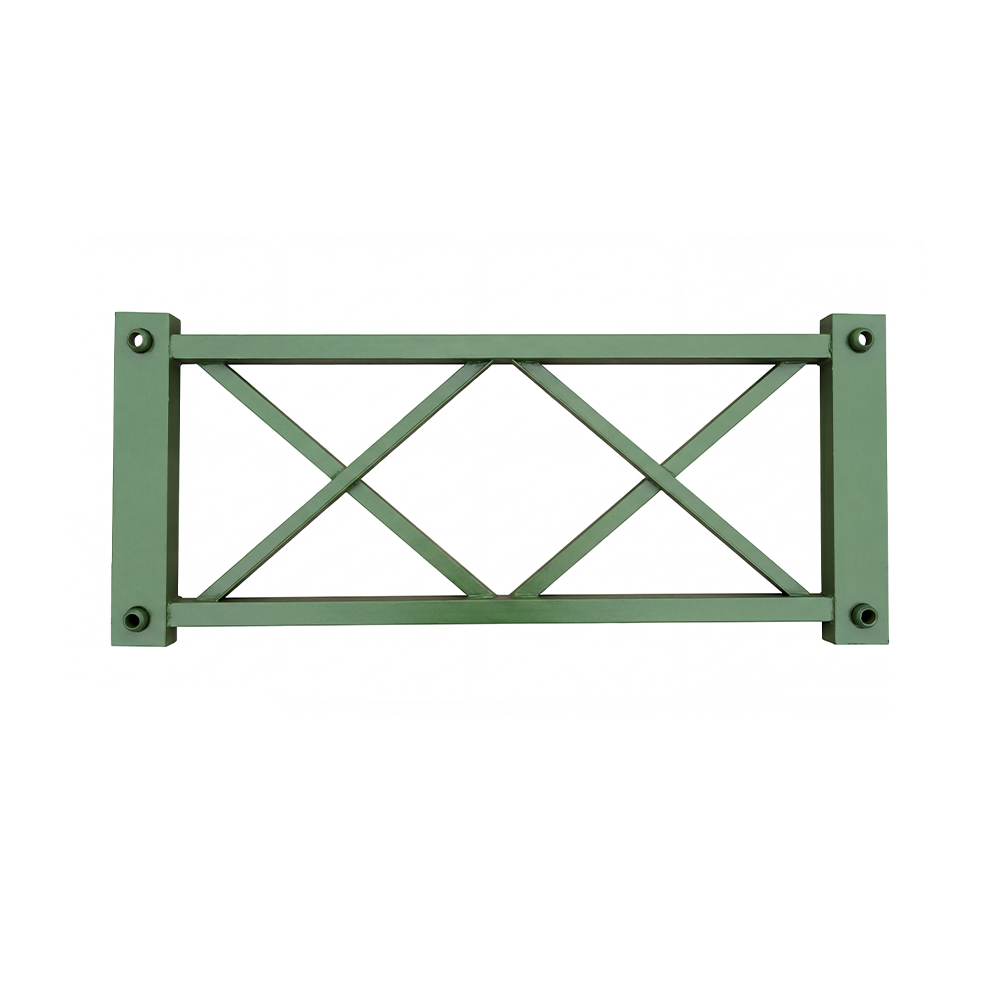
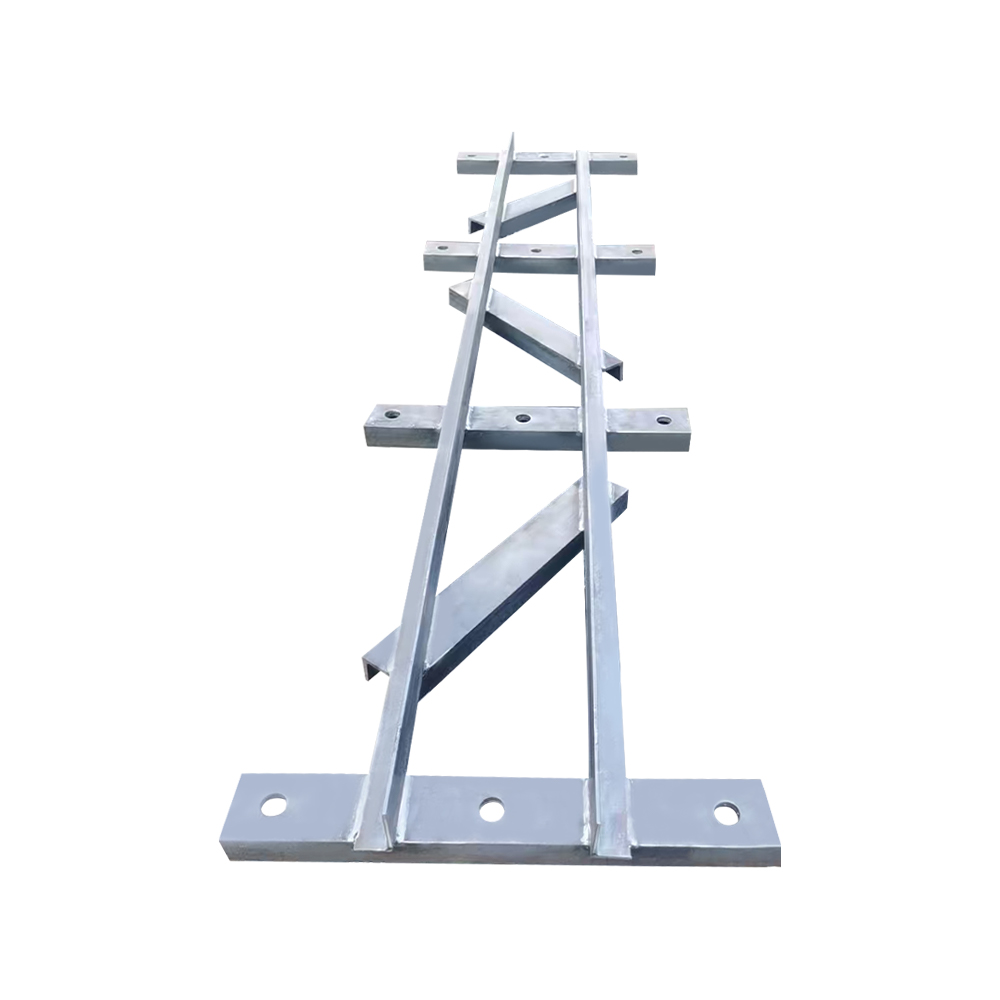
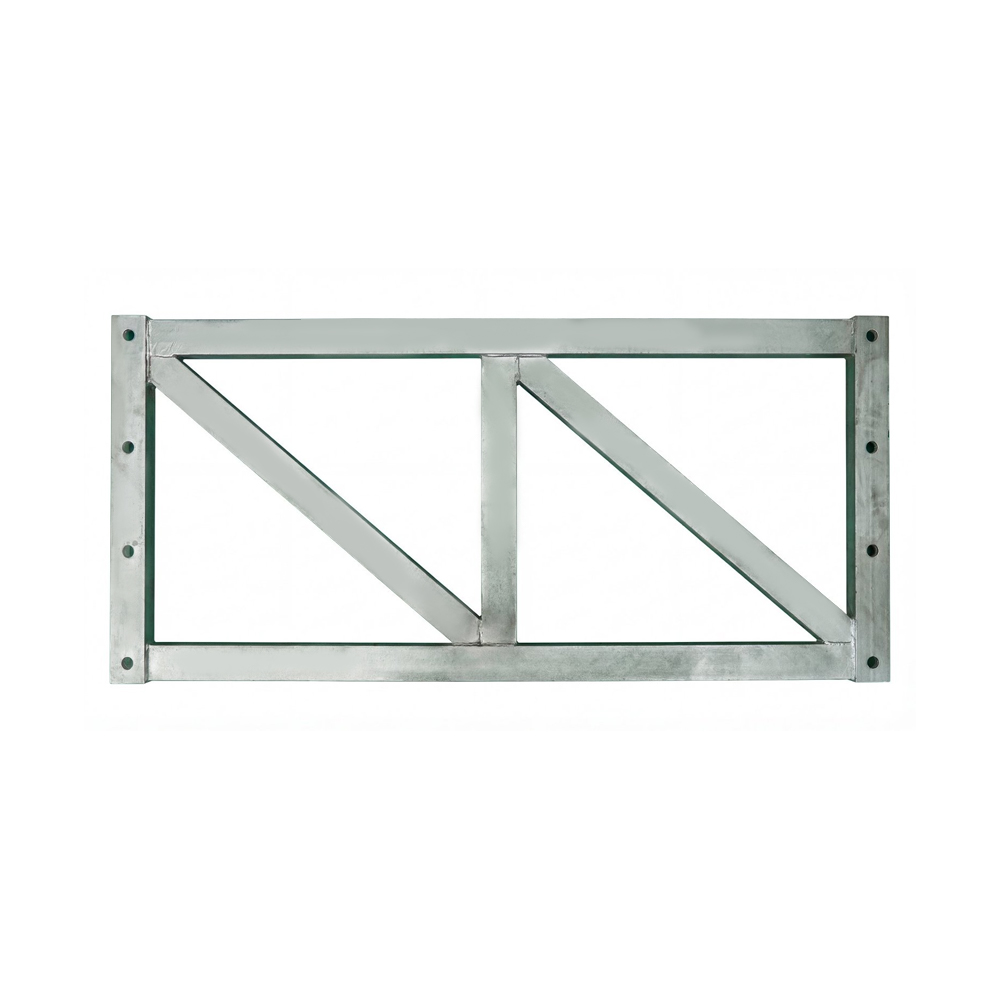
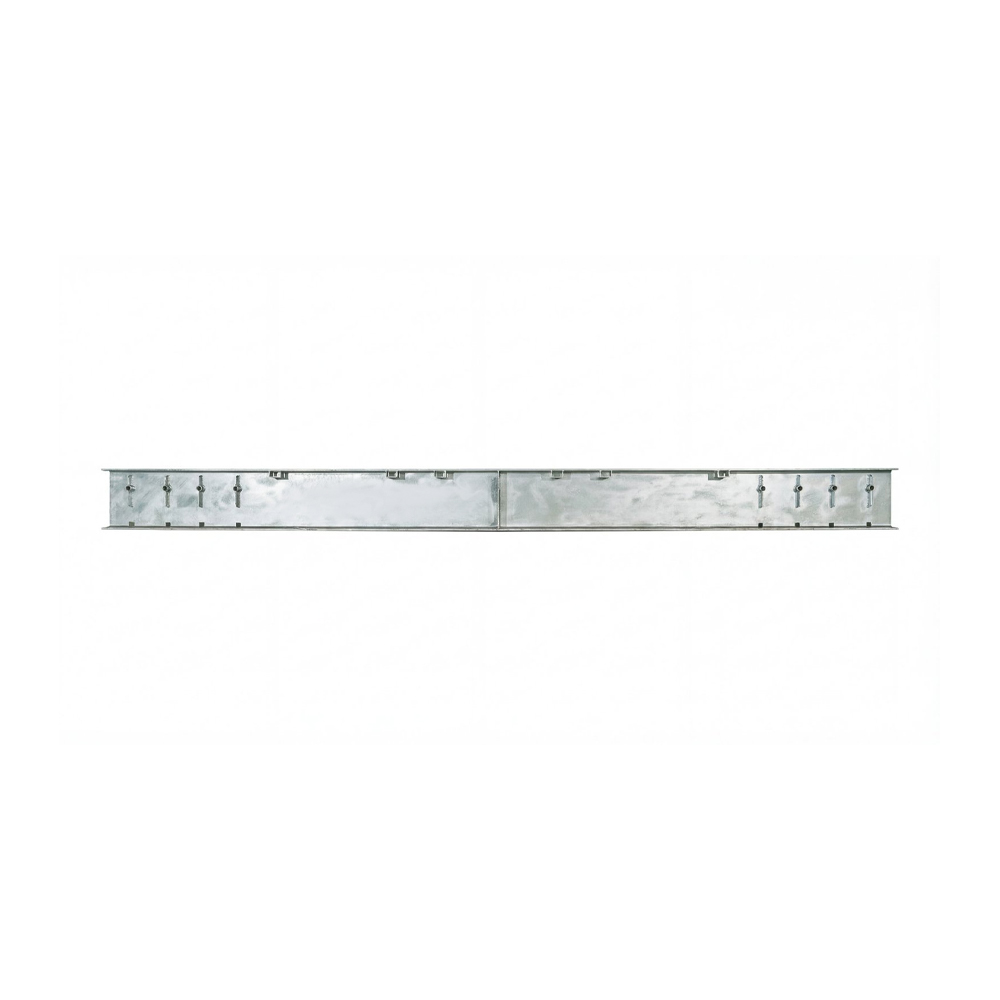
A horizontal support frame designed for HD200 type installations works by converting vertical loads from the superstructure into horizontal restraining forces, which are then transferred into supporting columns or foundation elements. This reduces lateral displacement and vibration within the span while working alongside vertical supports and diagonal tension rods to form a stable truss system with improved resistance to overturning and greater overall stiffness. This kind of horizontal bracing becomes particularly relevant for deformation control on spans ranging from 9.14 to 76.2 meters under heavy loading conditions. Within this category, a 730 type variant is suited to wide-span highway bridges and emergency rescue crossings, while a 480 type variant serves conventional-span temporary bridges, with both configurations aimed at reinforcing the lateral stability of the truss sections they support.
Common Applications Across Different Project Types
Steel Bailey bridges continue to appear across a range of project types that share a common need for speed, adaptability, or temporary structural support. Rural and mountainous road networks often rely on them to restore vehicle access after floods or landslides damage existing crossings, while military and civil engineering units keep stockpiled components ready for rapid deployment during disaster response. Construction sites also make use of the same truss panels as temporary working platforms, access bridges for heavy equipment, or falsework during the erection of larger permanent structures.
Typical use cases for steel Bailey bridge components by project setting
| Project Setting |
Typical Function |
Relevant Feature |
| Disaster and flood recovery |
Restoring vehicle crossings quickly |
Rapid pin-and-panel assembly |
| Military and defense logistics |
Deployable route crossings |
Interchangeable, reusable panels |
| Highway and rural road construction |
Temporary detour or repair bridges |
Adjustable span and load rating |
| Building and civil construction |
Elevated platforms and formwork support |
Horizontal support frame stabilization |
Points to Consider When Selecting Bridge Components
Choosing an appropriate configuration depends heavily on matching panel type, span length, and support bracing to the expected traffic loads and site conditions. Projects involving wide gaps or heavy vehicle loads generally call for reinforced variants such as the HD200 type paired with horizontal support framing, while shorter temporary crossings with lighter loads can often be handled with standard panel configurations and simpler bracing. Because dimensional standards differ between imperial-based and metric-based systems, confirming compatibility between existing component inventories and any additional panels being sourced remains an important step before assembly begins, since mismatched systems cannot be combined even though they may appear structurally similar at a glance.


 Français
 Español
 عربى
عربى