Beam shoring is one of the most dependable ways to support deep excavations, especially when working in tight urban sites or unstable soils. It uses vertical steel beams driven into the ground, with horizontal timber or concrete lagging placed between the flanges to retain soil. Over the years, variations of this method have become standard in foundation, utility, and bridge construction. Yet project teams are increasingly looking for alternatives that are easier to handle, reusable, and just as strong. In this article, we look at how beam shoring works, where it excels, and how modern modular truss systems are changing the conversation. Whether you are a seasoned contractor or an engineer evaluating your first deep excavation, the details here will help you ask the right questions.
What Is Beam Shoring?
Beam shoring, also called beam-and-lagging, is a temporary earth-retention system. Vertical steel H-piles or wide-flange beams are installed at regular intervals along the excavation perimeter. As the excavation advances, precast concrete planks, timber boards, or steel plates are placed between the beam flanges to hold the soil in place. The beams carry the main earth pressure, while the lagging fills the gaps and prevents soil from raveling. The system is particularly effective in cohesive soils and can be adapted to depths of several meters with proper bracing or tieback anchors. In granular soils, the lagging boards must be installed quickly and tightly to minimize raveling, and groundwater control often needs to be combined with dewatering.
For contractors familiar with excavation work, beam shoring offers predictability. The components are simple, and the installation sequence is well understood. However, the choice of beam type, spacing, and lagging material must be matched to the actual soil and groundwater conditions. Getting that wrong is the most common source of movement or failure.
Common Applications for Beam Shoring
Beam shoring appears in a wide range of civil works. Some common situations include:
- Deep excavation support for basements and pump stations
- Utility trench shoring where space is restricted
- Bridge abutment and pier construction
- Temporary retention near existing structures
- Slope stabilization during cut-and-cover tunneling
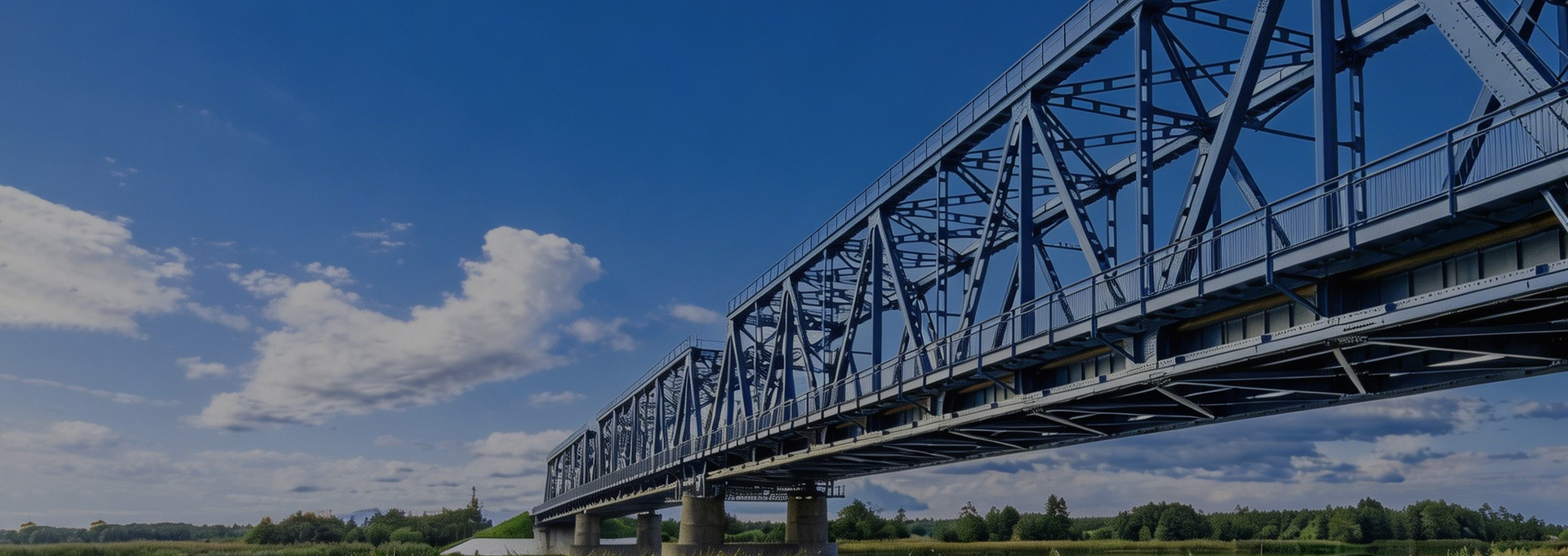
In bridge work, beam shoring is often used to retain the sides of the excavation before abutment or pier footings are placed. It is also used to support temporary access roads or working platforms. The method is versatile, but each site presents its own layout, load, and access constraints. That is why experienced teams always review the geotechnical report before choosing a system. In addition, beam shoring is sometimes combined with soldier piles and lagging to protect adjacent utilities, which keeps the excavation footprint smaller than a sloped cut.
Key Factors in Selecting a Beam Shoring System
No single shoring system works everywhere. The best choice depends on soil conditions, excavation depth, imposed loads, and how often the components will be reused. The table below compares traditional H-beam shoring with a modular Bailey truss support approach.
Comparison of beam shoring options
| Criterion |
H-Beam Shoring |
Bailey Truss Support |
| Soil suitability |
Cohesive soils |
Broad range with proper lagging |
| Typical depth |
4–15 ft |
Greater with reinforced chords |
| Load capacity |
Medium |
Higher with truss configuration |
| Reusability |
Limited |
High |
| Installation speed |
Moderate |
Fast, bolt-assembly |
| Cost per cycle |
Moderate |
Lower over multiple projects |
These factors are not isolated. A deep urban excavation with high earth pressures may justify a more robust system, while a shallow utility trench may be handled quickly with simpler soldier piles. The key is to evaluate the whole project life cycle, including demobilization and reuse.
On cost, the initial material price for H-beam shoring can be attractive, but when crews need to cut and weld bespoke lengths and then scrap or store the pieces, the long-term cost changes. Modular truss systems are usually purchased or rented per project, and the same pool of components can be reused for different span lengths and load cases. This is especially valuable for contractors who run several sites each year.
Installation and Safety Considerations
Regardless of the system you choose, safety depends on following a proven sequence. The following steps are typical for a beam-and-lagging shoring system:
- Perform a geotechnical investigation and determine soil parameters.
- Install vertical beams to the required depth using appropriate driving equipment.
- Excavate in small lifts, installing lagging as you go.
- Add walers, bracing, or tieback anchors where needed.
- Monitor movement with regular surveys and inclinometer readings.
Site monitoring is not optional. Even with a well-designed system, unexpected groundwater or surcharge loads can change the behavior of the shoring. Early detection of movement allows corrective action before a small issue becomes a serious safety event.
A Modern Alternative: Bailey Truss Support Systems
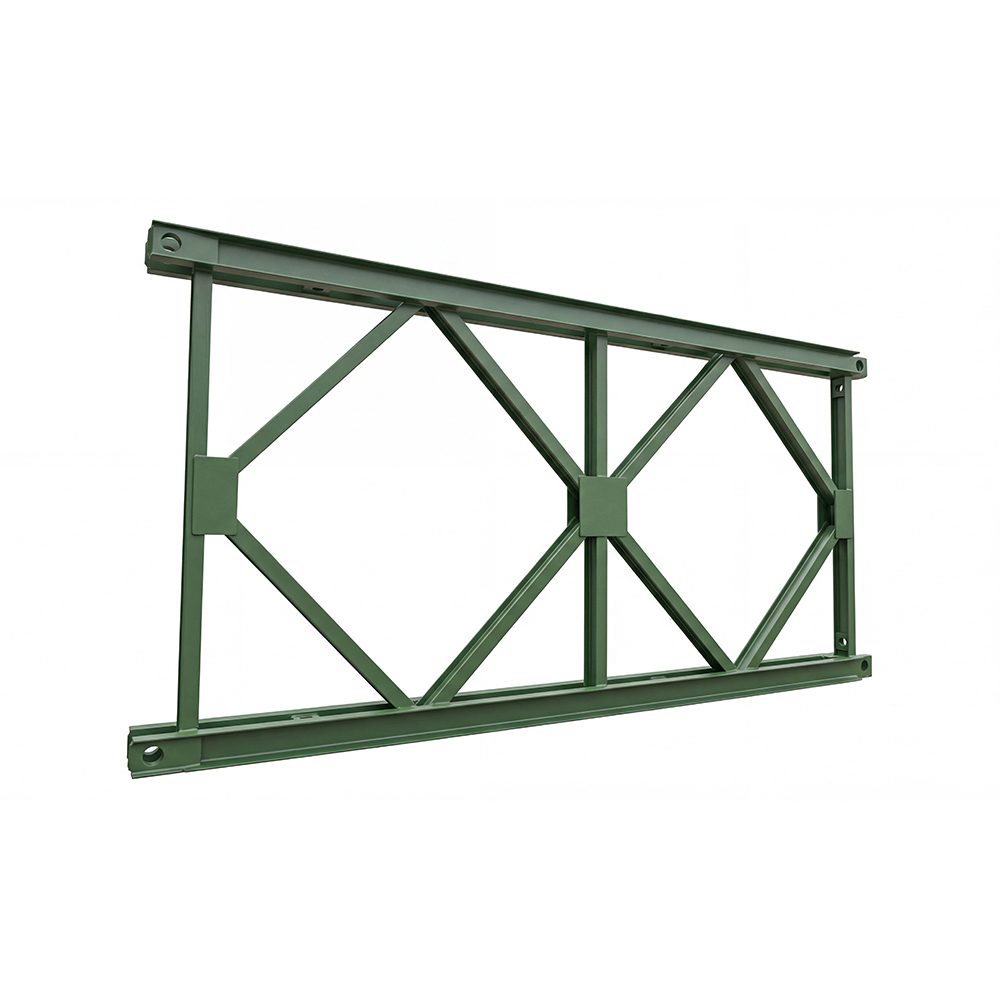
For projects that demand high load capacity, fast assembly, and reuse over multiple campaigns, modular Bailey truss systems are a compelling option. Originally developed for military bridging, the Bailey truss has evolved into a versatile construction tool. When used as horizontal or inclined beams, it can support heavy formwork for cast-in-place bridge decks, transfer beams, and large excavation headers. The key is that every component is standardized, which simplifies planning and reduces the chance of fit-up issues on site.
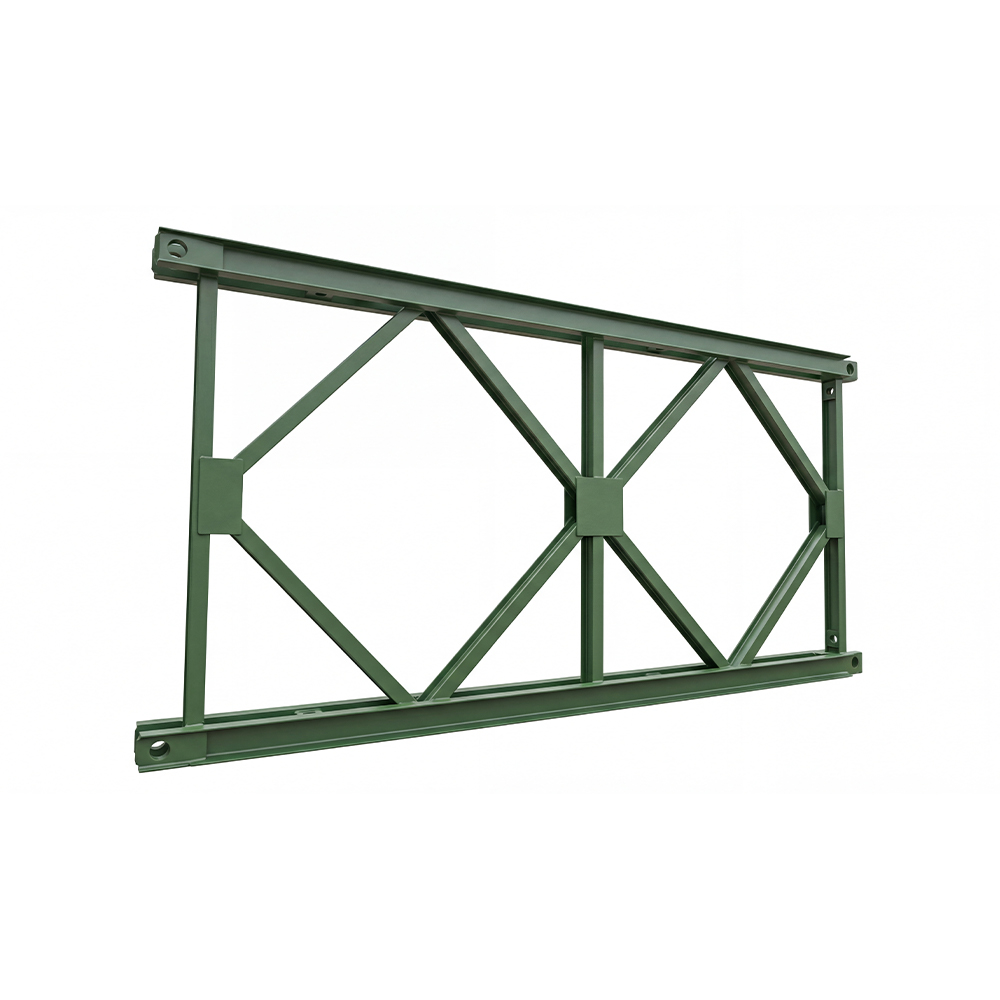
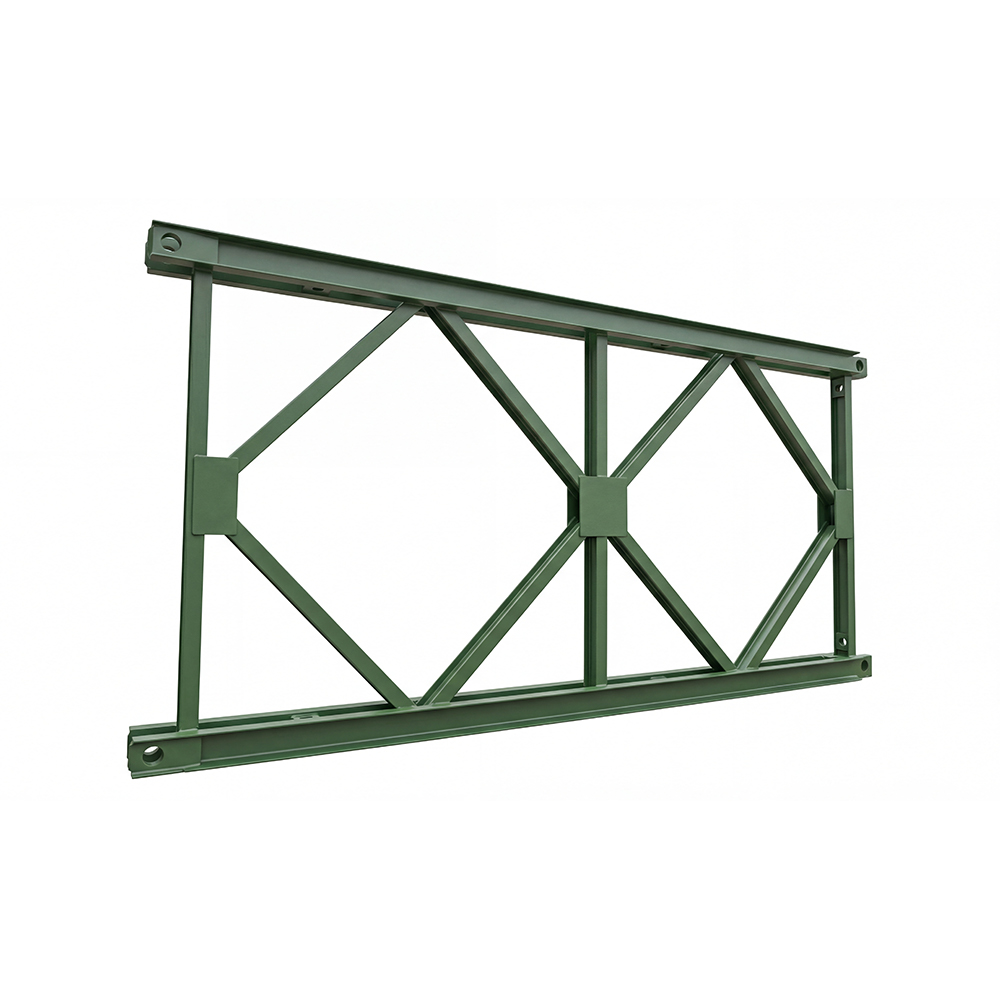 Type 321 Bailey Bridge Panels for Heavy SupportThese standardized load-bearing panels are ideal for cast-in-place bridge scaffolding, offering high capacity and quick assembly with bolted connections for large-span structures.View Product →
For example, our Type 321 support panels are designed to work as the primary load-carrying element in cast-in-place bridge scaffolding. They can be combined with standard crossbeams and frames to create large-span support structures that are quickly bolted together and equally quick to dismantle.
Bailey truss systems are not limited to horizontal support. They can be arranged as single trusses, paired trusses, or stacked to increase capacity. In some shoring applications, panels are placed between soldier piles to create a continuous wall, combining the speed of modular assembly with the stiffness of a steel frame. This flexibility is one of the main reasons contractors choose Bailey components over purpose-made shoring beams.
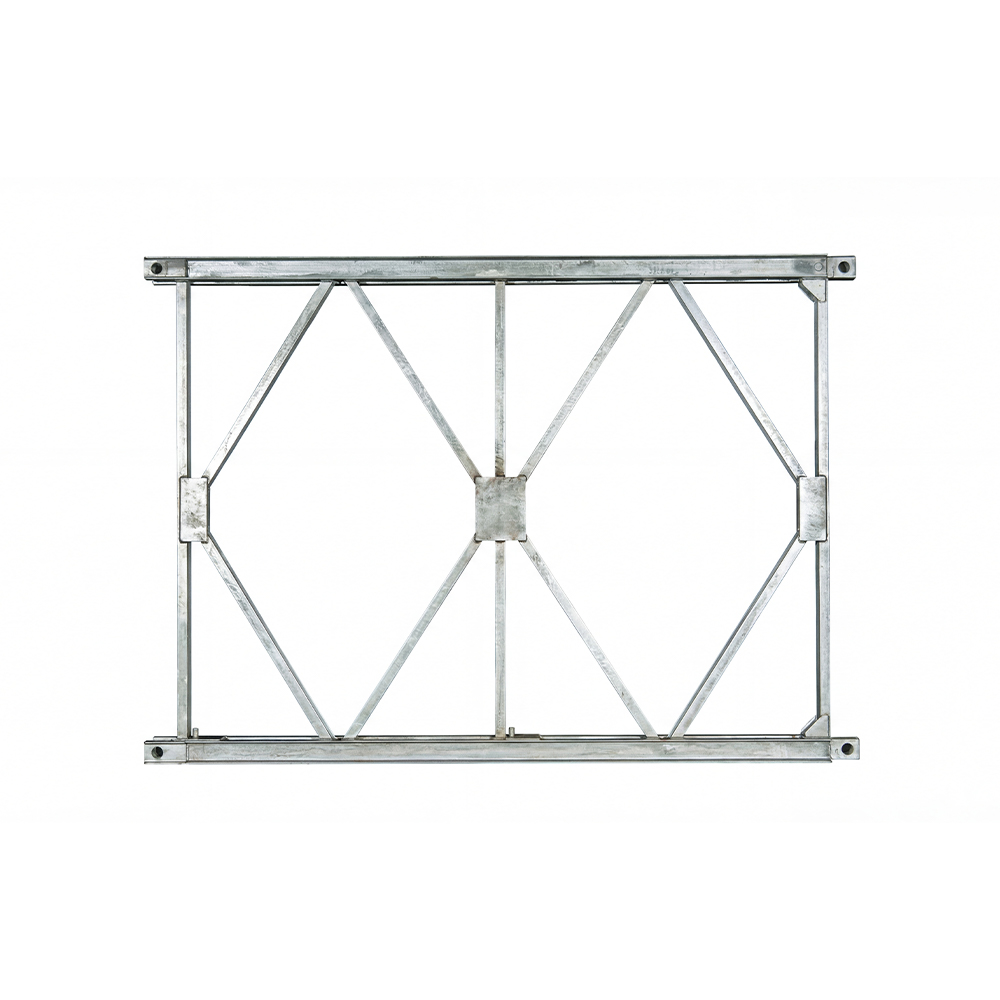
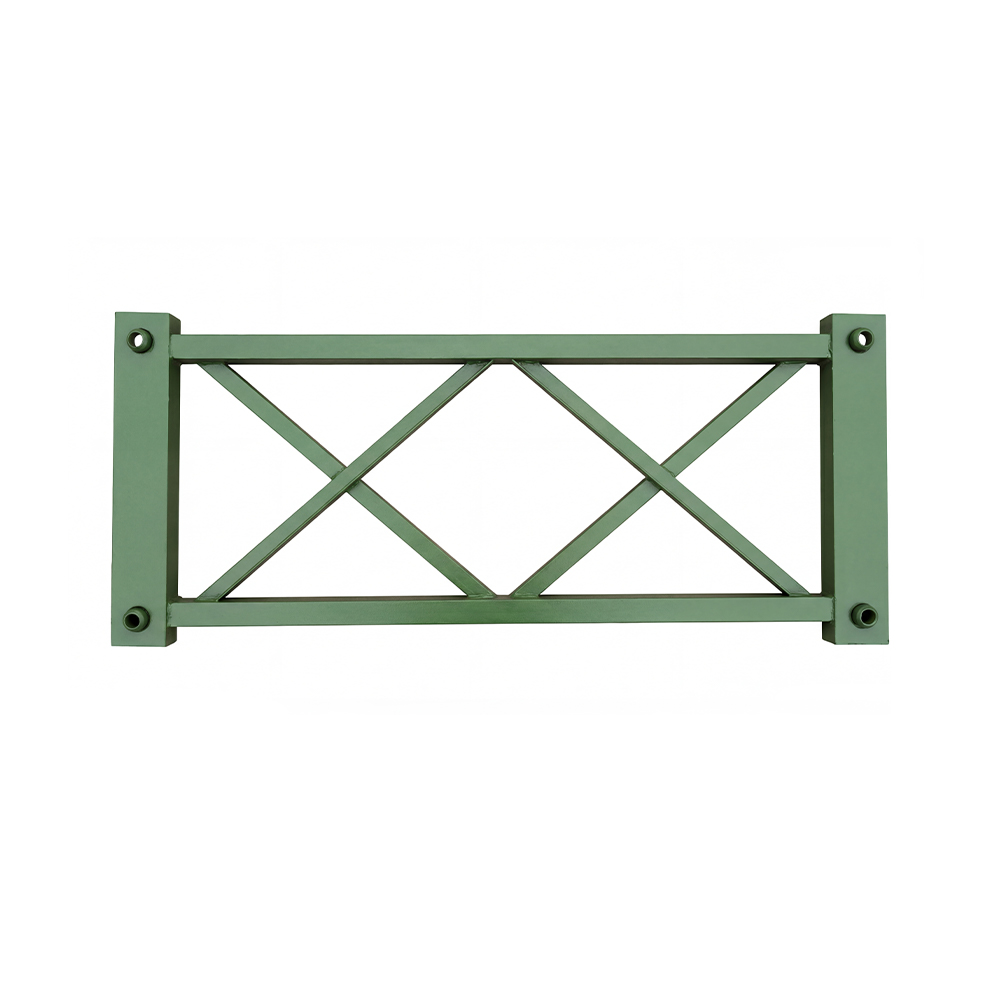
Transverse stability comes from purpose-made support frames, such as the Type 321 900 support frame, which locks adjacent panels together and distributes loads evenly.
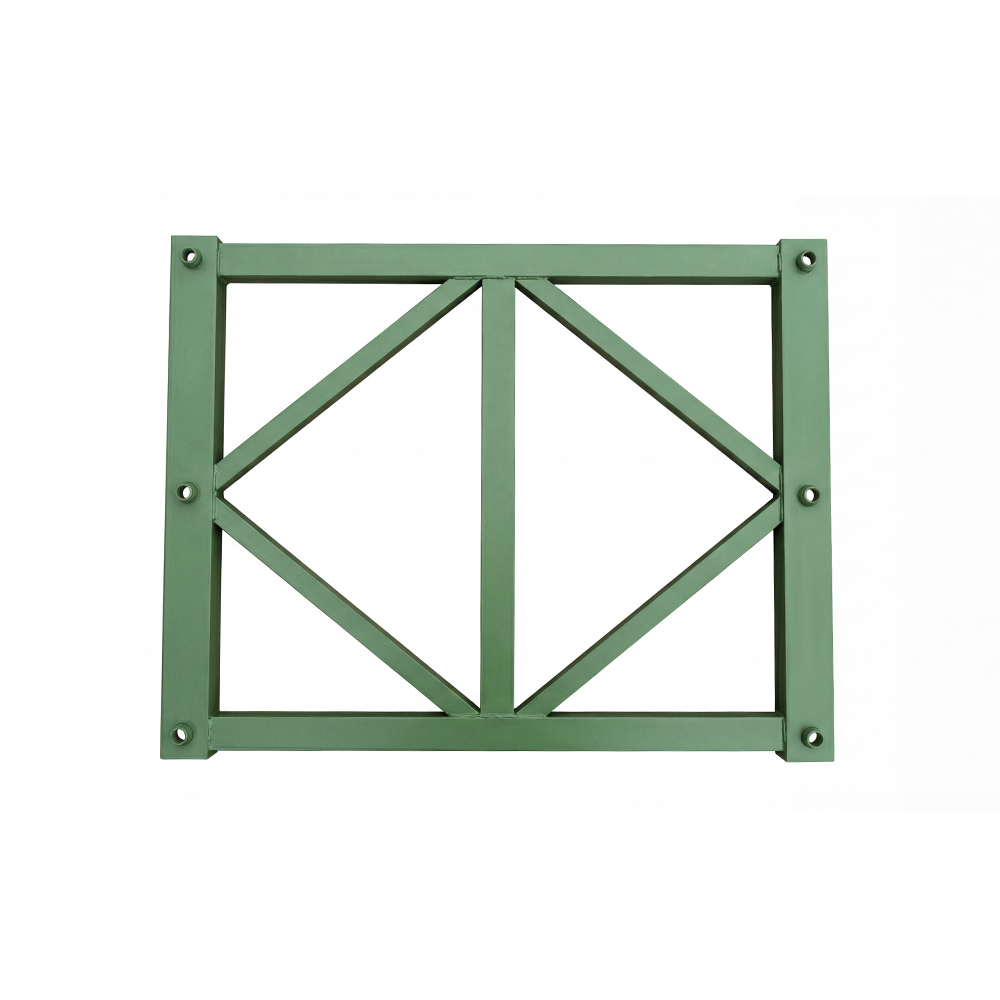 Type 321-900 Support Frame for Transverse StabilityThis angle-steel frame locks adjacent panels together, distributing loads evenly and enhancing rigidity, making it a practical choice for stable Bailey support systems.View Product →
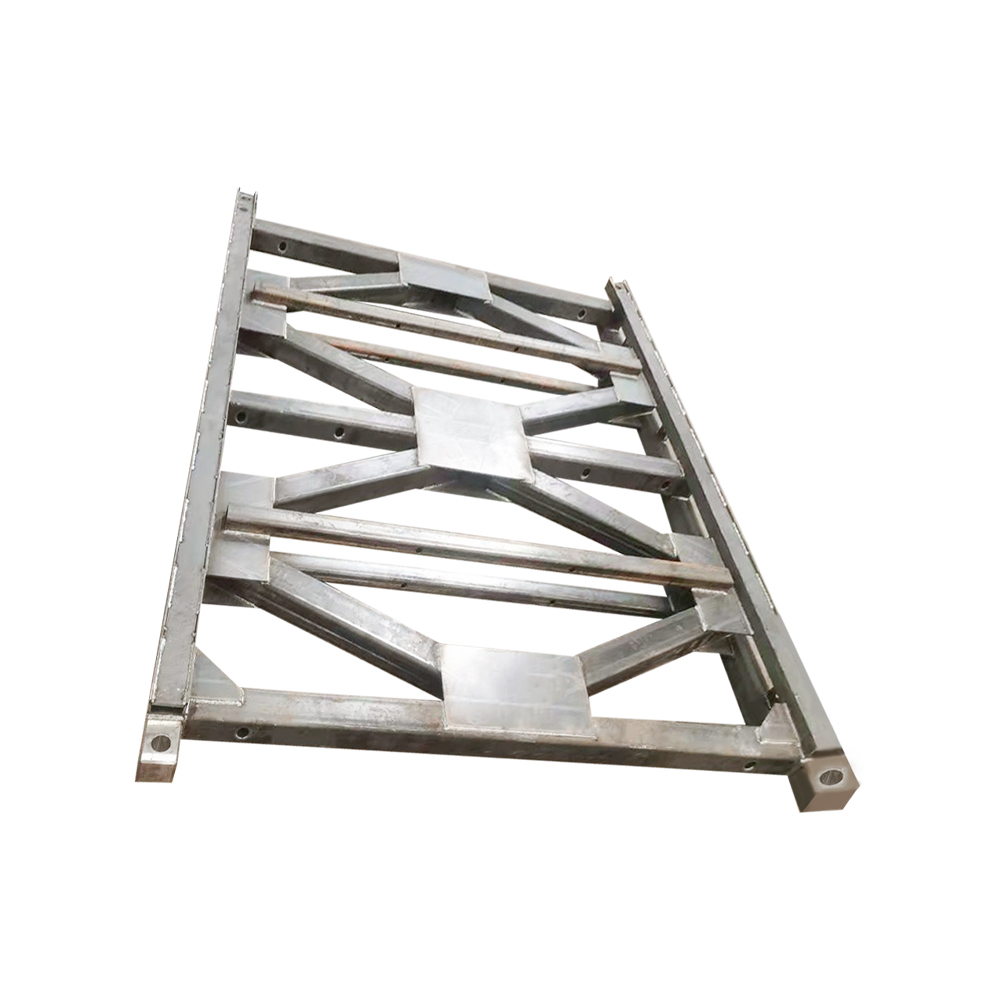
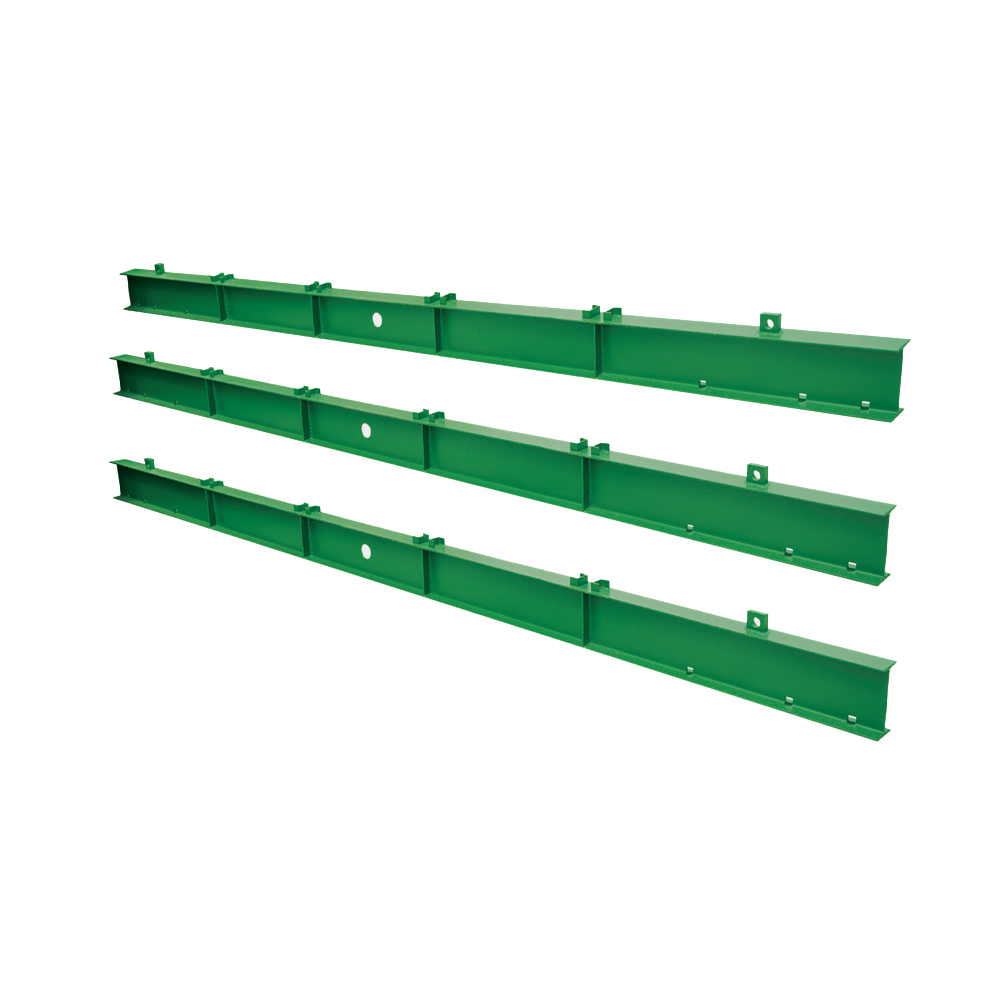
For longer spans or higher loads, reinforced tension members can be added to increase the system's stiffness without changing the basic module size.
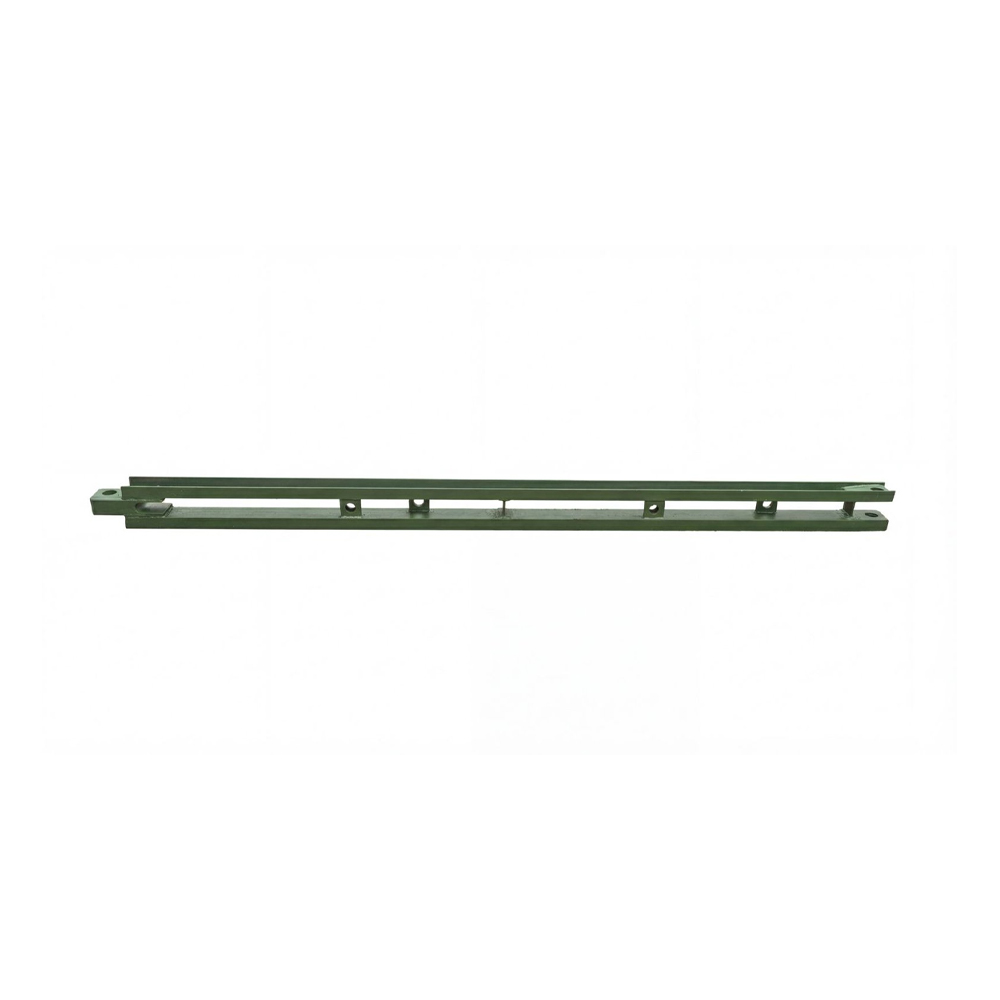 Type 321 Reinforced Tension Member for Long SpansAdding this double-channel member boosts bending resistance without altering module sizes, helping contractors handle higher loads and longer spans efficiently.View Product →
This modular approach is not new to bridges, but it is still underused in general excavation shoring. Contractors who have switched find that planning is simpler, fewer special parts are needed on site, and the steel can be reused from one job to the next. As a manufacturer with design and installation experience, we often help contractors size these systems for specific excavation or bridge support needs. Our technical support team can review your loading diagrams and propose a panel layout that avoids costly overdesign.
Conclusion
Beam shoring remains a reliable technique, but it is worth evaluating modular truss alternatives when your project involves multiple cycles or high loads. The right choice depends on soil, depth, schedule, and budget. If you are planning an excavation or bridge support system, a conversation with an experienced supplier can save both time and money. For a deeper look at matching truss types to your project, you may find our guide on 321 versus HD200 trusses useful. And when you are ready to compare design options, our technical support team is available to help.


 Français
 Español
 عربى